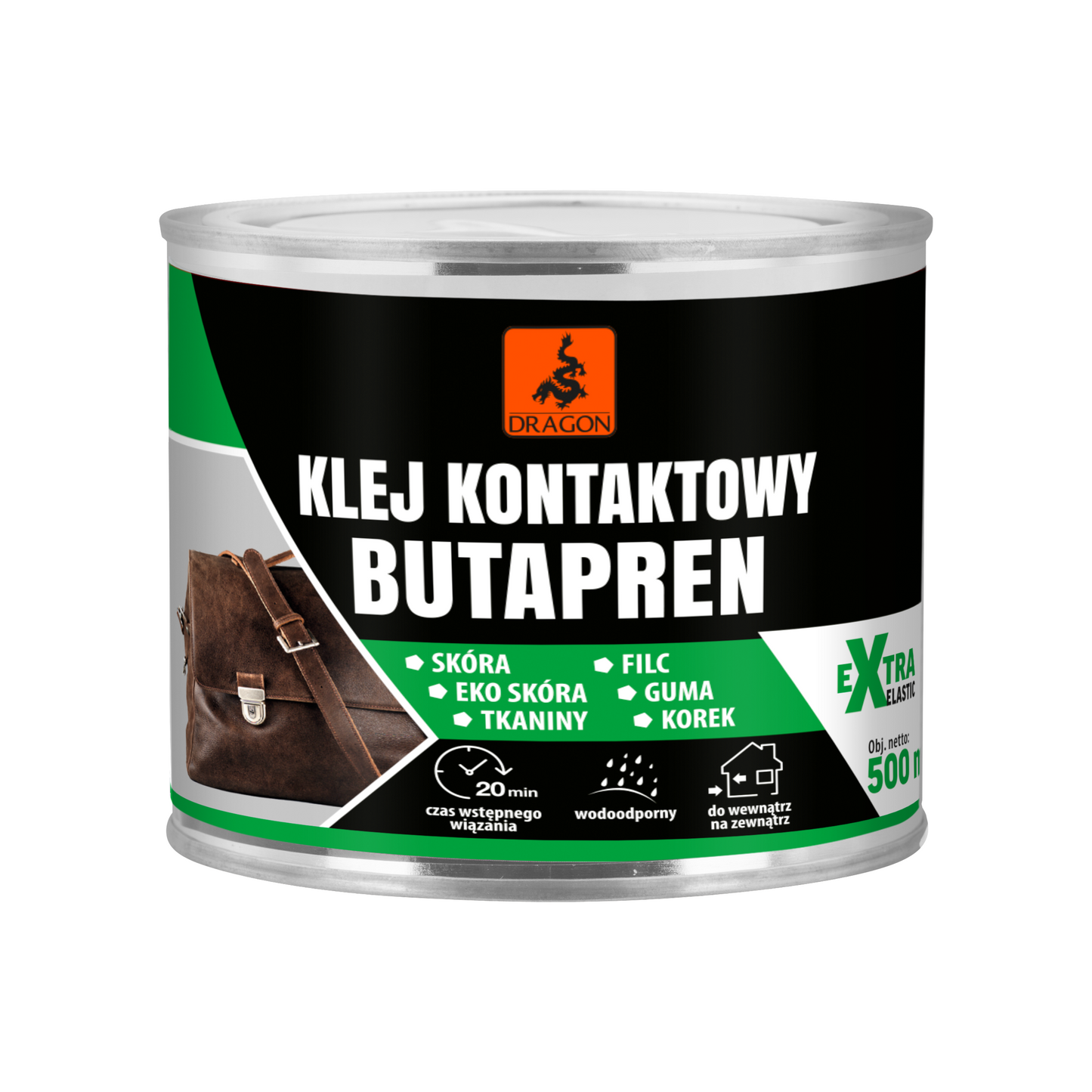
Dragon Butapren contact adhesive - 400 ml tin
Dragon Butapren contact adhesive - 400 ml tin

Secure payments
Your payment information is processed securely.


Description
Reliable and durable contact adhesive for professional cosplay assembly
Dragon contact cement is a professional-grade contact adhesive specifically formulated for demanding crafting and cosplay projects. It provides an exceptionally strong initial tack and a highly flexible bond that prevents cracking, even on complex, multi-part armor pieces. This essential workshop tool ensures long-lasting adhesion and structural integrity for a variety of materials used in costume creation.
Key product features
- Superior flexibility: Once cured, the adhesive remains highly elastic, which is vital for foam armor and costume elements that undergo significant movement. It effectively eliminates the risk of brittle fractures in the bond line.
- Efficient capacity: The 400 ml metal container is designed for professional use, ensuring the adhesive remains airtight and protected against premature drying. This size is ideal for medium-to-large scale cosplay fabrication.
- Rapid contact bonding: The formula is engineered for fast assembly; once the solvent evaporates and parts are pressed together, the bond is instant and firm, allowing for a streamlined workflow.
- Versatile compatibility: This adhesive demonstrates excellent adhesion to diverse materials, including EVA foam, natural and synthetic leather, rubber, felt, and various textiles commonly used in prop making.
- Moisture resistance: The final bond is fully waterproof, protecting your props and costume armor from environmental damage during outdoor events, LARP sessions, or photoshoots.
Applications
EVA Foam Armor Construction
Perfect for joining edges when building helmets, breastplates, and weapon props. The resulting seam is not only incredibly durable but also easy to sand using rotary tools without clogging abrasive discs.
Leatherworking and Shoe Repair
An essential solution for crafting custom costume footwear, leather belts, bracers, and scabbards. The adhesive penetrates deep into leather and rubber surfaces, providing resistance against the constant flexing and tension typical of wearable gear.
Upholstery and Lining
Simplifies the precise attachment of comfort padding, felt, and interior fabric linings inside masks and helmets. It allows for an even spread of adhesive across surfaces, preventing internal layers from shifting or detaching.
For the best results when building armor, it is recommended to use high-quality EVA foam. When working with solvent-based adhesives, remember to use proper respiratory protection available in our BHP category.
Specification
| Attribute | Value |
|---|---|
Size |
400 ml |
EAN: |
5903649002419 |
Reviews
No reviews yet
FAQ
What are contact adhesives like Butapren used for in cosplay projects?
What are contact adhesives like Butapren used for in cosplay projects?
How should I apply contact adhesive for the strongest bond?
How should I apply contact adhesive for the strongest bond?
What is the difference between the available contact adhesive variants and which one should I choose?
What is the difference between the available contact adhesive variants and which one should I choose?
Are contact adhesives safe to use and how should they be stored?
Are contact adhesives safe to use and how should they be stored?
Can I thin thickened contact adhesive?
Can I thin thickened contact adhesive?
How do I remove excess contact adhesive from a surface?
How do I remove excess contact adhesive from a surface?
Safety
Featured collection
-
Vendor:MageCraft
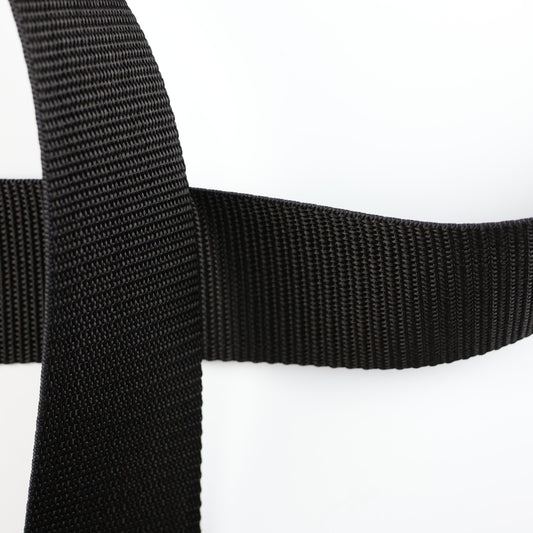
Polypropylene webbing - 20 mm/1 m black
Regular price €1,95Unit price / perRegular priceSale price €1,95Sold out -
Vendor:MageCraft
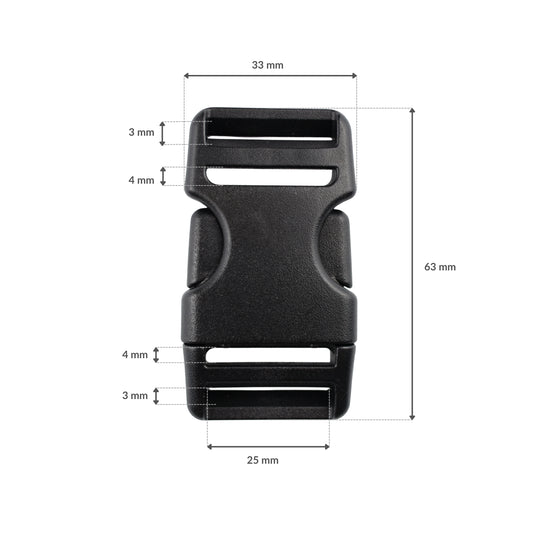
Plastic buckle - 25 mm black 1 pc.
Regular price €0,95Unit price / perRegular priceSale price €0,95 -
Vendor:MageCraft
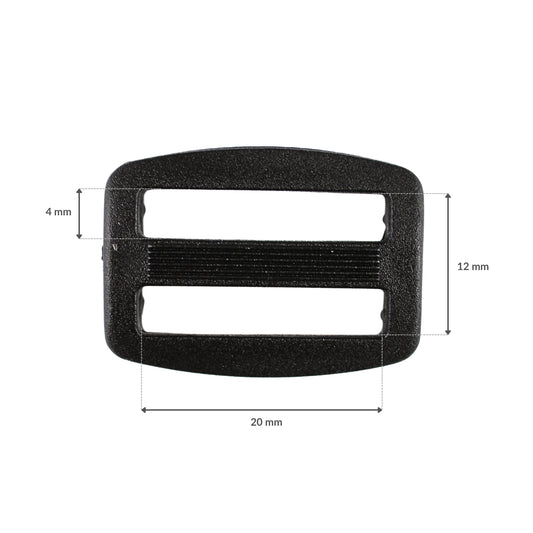
Plastic adjuster - 20/12 mm black 1 pc.
Regular price €0,95Unit price / perRegular priceSale price €0,95 -
Vendor:MageCraft
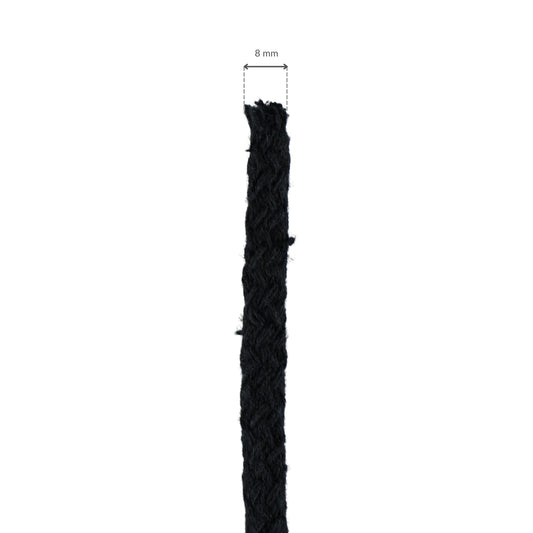
Cotton Cord - 8 mm/1 m black
Regular price €0,95Unit price / perRegular priceSale price €0,95 -
Vendor:MageCraft
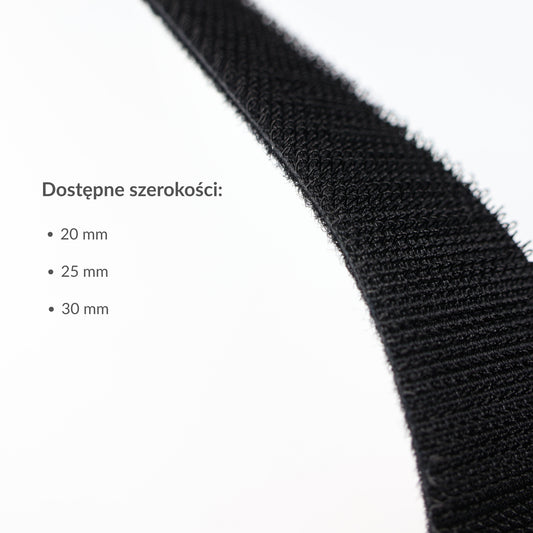
Hook and loop tape - double-sided 25 mm/1 m nylon black
Regular price €1,95Unit price / perRegular priceSale price €1,95Sold out -
Vendor:MageCraft
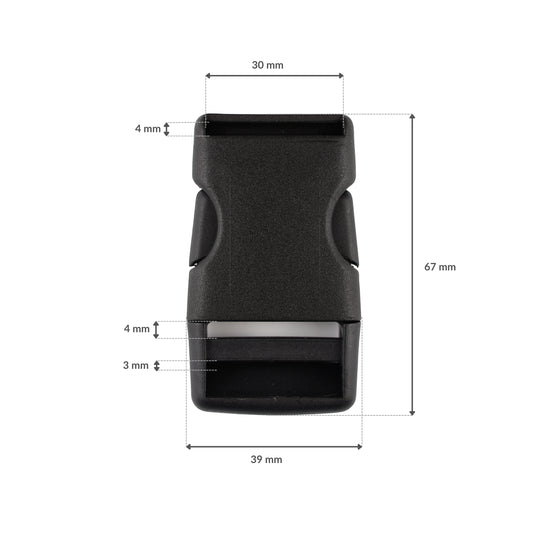
Plastic buckle - 30x67 mm black 1 pc.
Regular price €0,95Unit price / perRegular priceSale price €0,95 -
Vendor:MageCraft
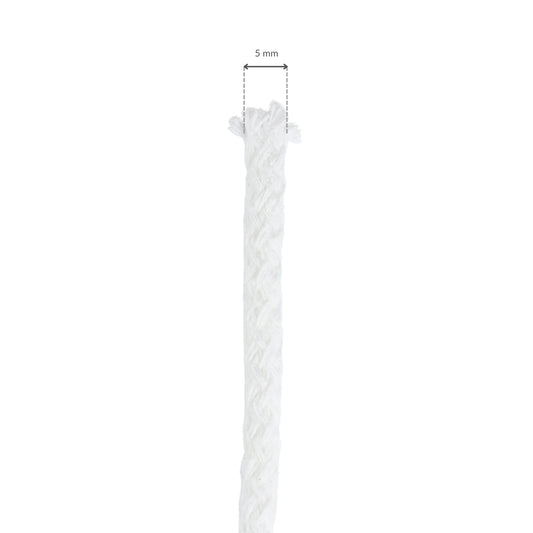
Cord - Cotton 5 mm/1 m white
Regular price €0,95Unit price / perRegular priceSale price €0,95 -
Vendor:MageCraft
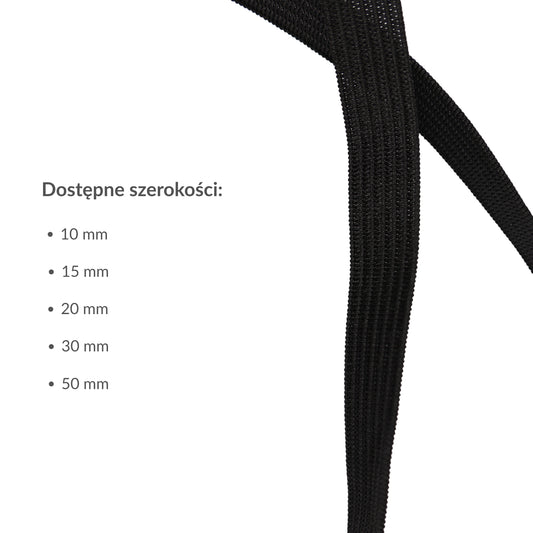
Elastic band - 30 mm/1 m black
Regular price €1,95Unit price / perRegular priceSale price €1,95 -
Vendor:MageCraft
Elastic band - 15 mm/5 m black
Regular price €0,95Unit price / perRegular priceSale price €0,95