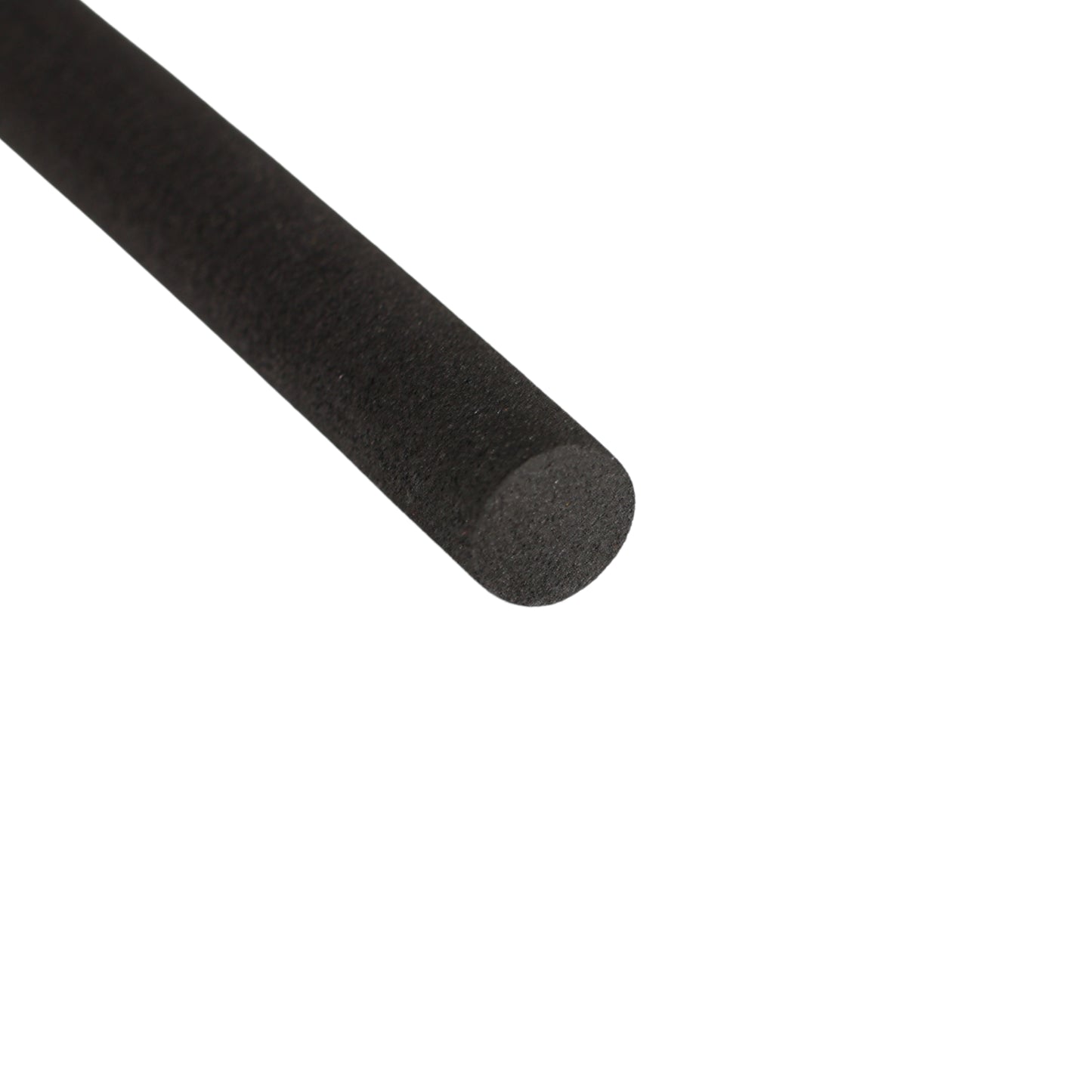
EVA foam dowel - 10 mm x 1 m
EVA foam dowel - 10 mm x 1 m

Secure payments
Your payment information is processed securely.


Description
Achieve Professional Detail with 10mm EVA Foam Rods
The 10mm EVA foam rod is an essential structural element designed for crafting precise details and clean finishes in your cosplay projects and LARP props. Its high flexibility and smooth, uniform structure allow for effortless shaping of curved edges, faux piping, cables, or intricate armor embellishments. Thanks to its optimal density, this EVA foam profile maintains its shape while offering excellent responsiveness to both heat and mechanical processing.
Key Product Features
- Optimal 10mm Diameter: This specific diameter is perfect for creating medium-sized structural details. It allows for the precise recreation of components like wiring on science-fiction armor or decorative edges on shields.
- High Density and Flexibility: The material features a carefully selected density that provides high resistance to deformation while remaining flexible. It can be bent into tight curves without the risk of cracking or surface wrinkling.
- Easy Heat Forming: The foam profile is highly responsive to heat from a heat gun, making shaping a straightforward process. Once heated, it can be easily bent, stretched, or smoothed, and it permanently retains its new shape after cooling.
- Simple Cutting and Sanding: This EVA foam structure is easily cut at any angle with sharp hand tools, allowing for perfect seam matching. It also responds well to mechanical sanding with rotary tools or sandpaper, ensuring smooth transitions.
- Versatile Compatibility: The surface of the rod works seamlessly with various adhesives, ensuring durable bonds with foam sheets. Once properly sealed, it can be painted with acrylics that will not crack during bending.
Primary Applications
Armor Edge Finishing
The rod is commonly used to create aesthetic, raised edges on breastplates, pauldrons, and shields. Applied to the edge of a foam sheet, it hides cutting imperfections and gives the armor a three-dimensional, heavy-duty appearance.
Faux Piping and Cables
In cyberpunk, post-apocalyptic, or science-fiction projects, this foam rod serves as an excellent substitute for heavy cables, hydraulic hoses, or power conduits. Its low weight ensures it does not burden the costume, enhancing the wearer's comfort.
Decorative Ornamentation
The material's flexibility allows for arranging it into complex, fantasy-inspired patterns like Celtic knots, baroque scrolls, or organic motifs. Applying pre-cut segments allows for rapid creation of embossed-style details without tedious carving.
For the best results, use a sharp precision knife to achieve clean cuts, and rely on professional contact adhesives for durable, stress-resistant joints. Explore our full range of EVA foam profiles to complete your next build.
Specification
| Attribute | Value |
|---|---|
Size |
10 mm |
SKU: |
MGC-EVAP-0005 |
EAN: |
5904423961304 |
Reviews
No reviews yet
FAQ
What are EVA foam dowels best used for in cosplay projects?
What are EVA foam dowels best used for in cosplay projects?
What is the best adhesive for a durable bond on EVA foam dowels?
What is the best adhesive for a durable bond on EVA foam dowels?
How do I choose the right EVA foam dowel diameter for my project?
How do I choose the right EVA foam dowel diameter for my project?
Can EVA foam dowels be painted and sealed against damage?
Can EVA foam dowels be painted and sealed against damage?
How should I safely store EVA foam materials?
How should I safely store EVA foam materials?
Ako bezpečne skladovať materiály z EVA peny?
Ako bezpečne skladovať materiály z EVA peny?
Safety
Featured collection
-
Vendor:MageCraft
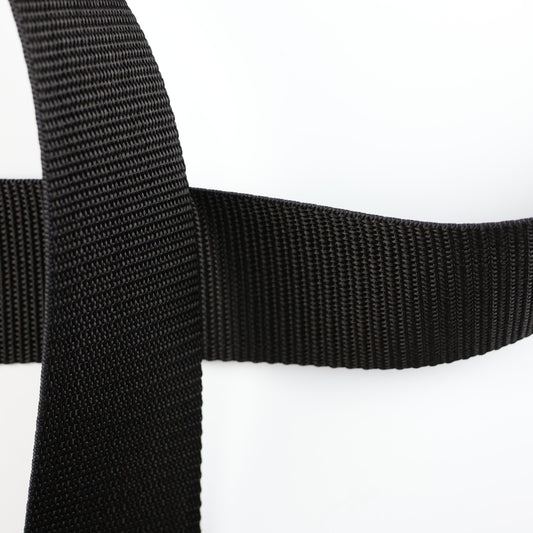
Polypropylene webbing - 20 mm/1 m black
Regular price €1,95Unit price / perRegular priceSale price €1,95Sold out -
Vendor:MageCraft
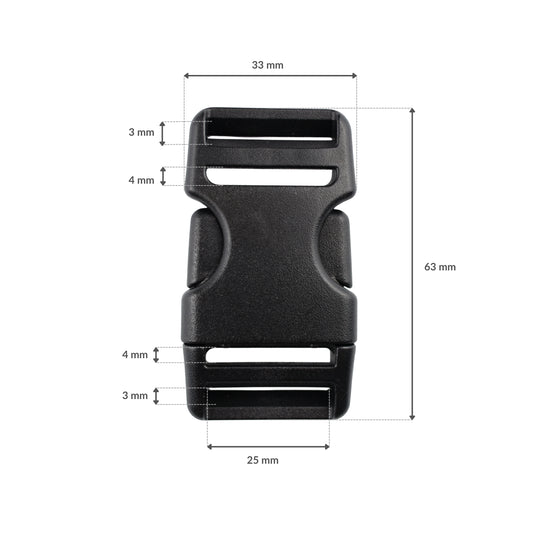
Plastic buckle - 25 mm black 1 pc.
Regular price €0,95Unit price / perRegular priceSale price €0,95 -
Vendor:MageCraft
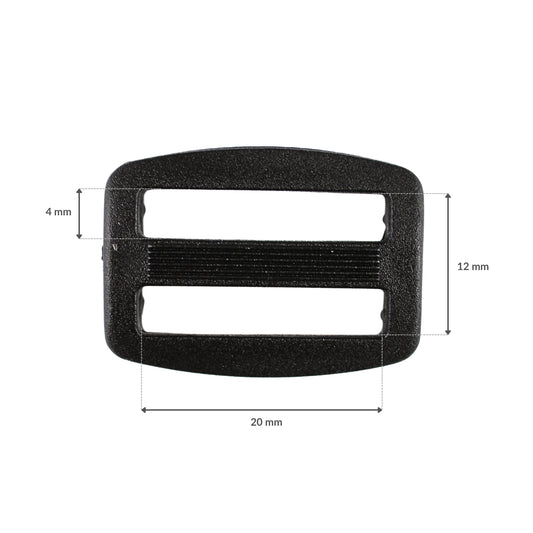
Plastic adjuster - 20/12 mm black 1 pc.
Regular price €0,95Unit price / perRegular priceSale price €0,95 -
Vendor:MageCraft
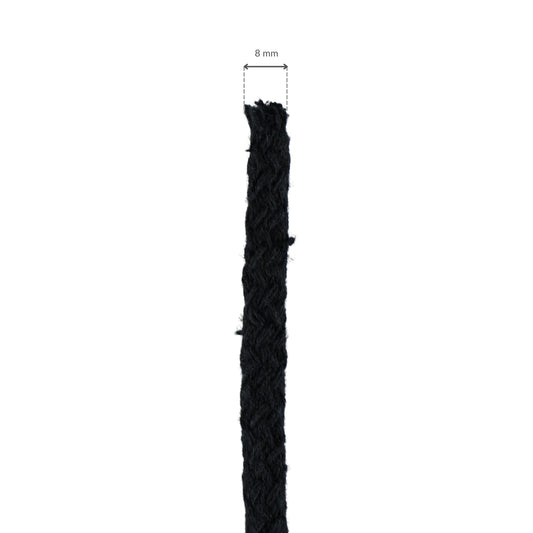
Cotton Cord - 8 mm/1 m black
Regular price €0,95Unit price / perRegular priceSale price €0,95 -
Vendor:MageCraft
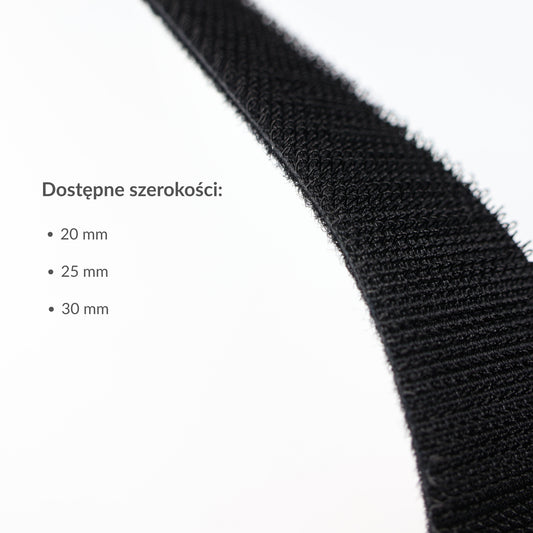
Hook and loop tape - double-sided 25 mm/1 m nylon black
Regular price €1,95Unit price / perRegular priceSale price €1,95Sold out -
Vendor:MageCraft
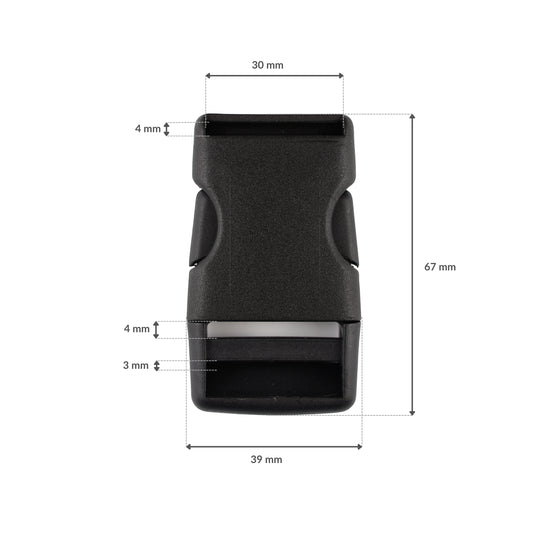
Plastic buckle - 30x67 mm black 1 pc.
Regular price €0,95Unit price / perRegular priceSale price €0,95 -
Vendor:MageCraft
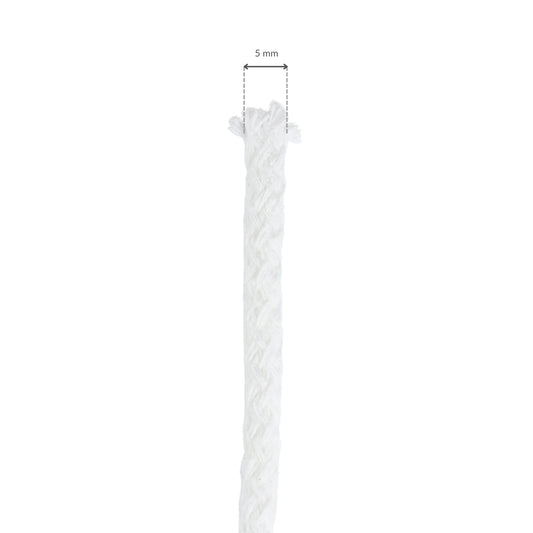
Cord - Cotton 5 mm/1 m white
Regular price €0,95Unit price / perRegular priceSale price €0,95 -
Vendor:MageCraft
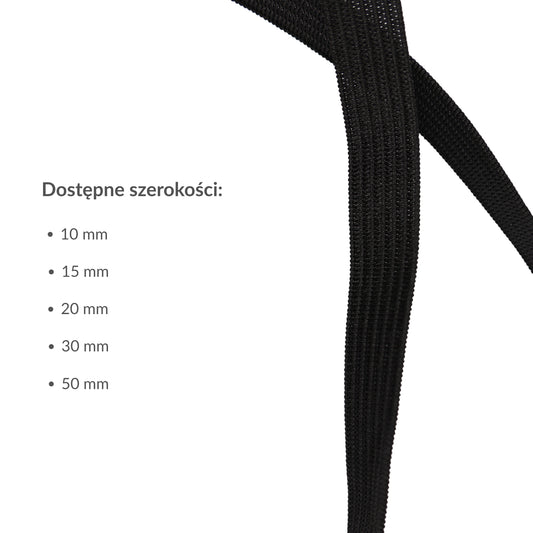
Elastic band - 30 mm/1 m black
Regular price €1,95Unit price / perRegular priceSale price €1,95 -
Vendor:MageCraft
Elastic band - 15 mm/5 m black
Regular price €0,95Unit price / perRegular priceSale price €0,95