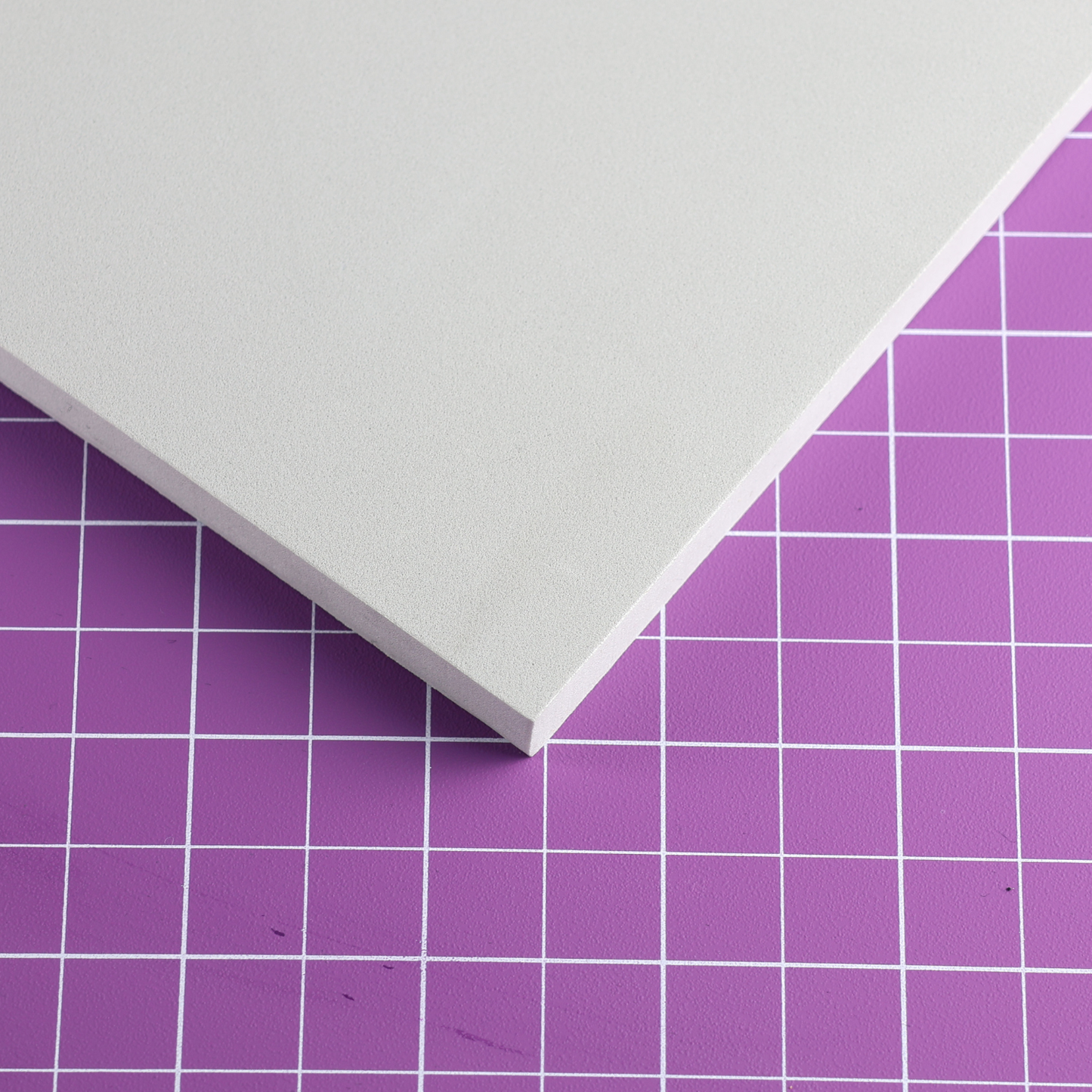
EVA foam 100 kg/m3, firm, 10 mm gray - 100x50 cm
EVA foam 100 kg/m3, firm, 10 mm gray - 100x50 cm

Secure payments
Your payment information is processed securely.


Description
Professional High-Density EVA Foam for Armour and Props
Large-scale cosplay projects require high-density EVA foam that offers both superior structural integrity and lasting durability. With a density of 100 kg/m3 and a thickness of 10 mm, this material provides a solid foundation for heavy-duty armour plates, shields, and detailed props. Its rigid composition ensures that even the most complex cosplay projects maintain their intended shape without sagging or deforming under their own weight.
Key Features
- Exceptional Density: The 100 kg/m3 rating provides superior resistance to mechanical damage and deformation. This closed-cell structure does not absorb moisture, making it an excellent base for primers and paints.
- Solid 10mm Thickness: This dimension is ideal for building structural supports and thick, load-bearing elements in intricate armour sets. It allows for deep carving and complex detailing without the risk of piercing the material.
- Precision Workability: The firm texture facilitates smooth edge sanding and cutting using rotary tools or sharp knives. It responds perfectly to heat, enabling accurate heat-forming with a heat gun for complex curves.
- Optimal 100x50 cm Format: This sheet size allows for efficient template layout, minimizing material waste during the cutting process. It is perfectly suited for crafting long, large-scale items such as greatswords or full-torso breastplates.
- Neutral Grey Base: The uniform grey colour simplifies the assessment of proportions and depth during the sculpting and assembly phase. It serves as an excellent neutral foundation, reducing the amount of paint required for final finishes.
Applications
Heavy Armour Construction
The high-density composition perfectly replicates the look of heavy metal plates for pauldrons, breastplates, and greaves. These components remain rigid during movement while providing essential impact cushioning for dynamic LARP combat.
Weaponry and Large Props
The 10 mm thickness allows for the secure integration of inner support rods, ensuring swords and axes remain straight and durable. The material can be easily beveled to create sharp, clean edges that are safe for use in roleplay environments.
Advanced Sculpting
This foam is ideal for heat-texturing and soldering, enabling the creation of intricate runes, battle scars, or wood-grain effects. It holds fine details precisely, maintaining the integrity of the design throughout the entire painting process.
For optimal results, ensure you use the right bonding agents to secure your structure. Browse our professional contact adhesives or discover our full range of essential tools to elevate your workshop capabilities.
Specification
| Attribute | Value |
|---|---|
Thickness |
10 mm |
Self-adhesive |
No |
Density |
100 kg/m3 |
Size |
100x50 cm |
SKU: |
MGC-EVAF-0019 |
EAN: |
5904423960710 |
Reviews
The products were good and easy to work with. The communication with the shop was very good as well , thank you 😊
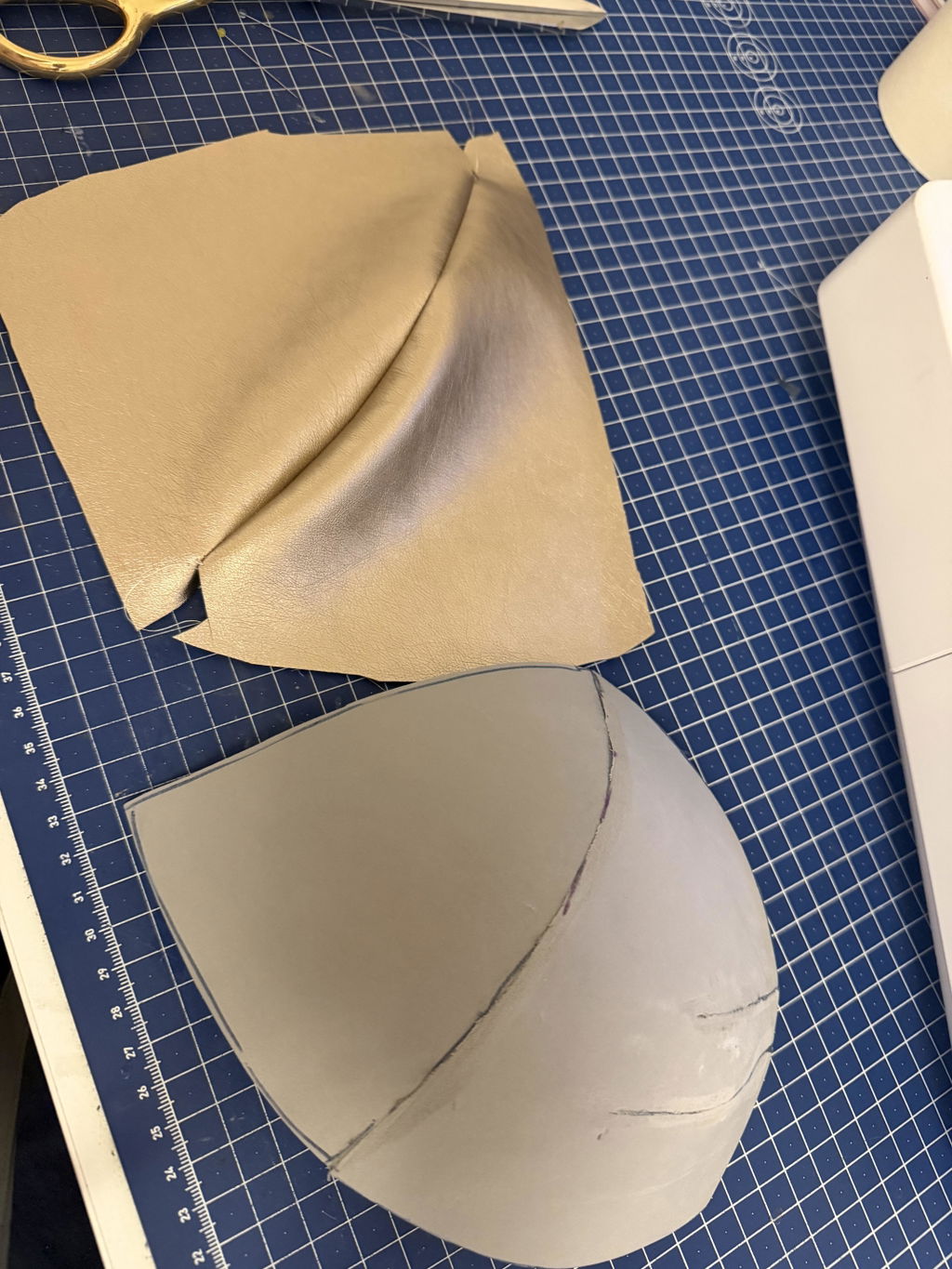
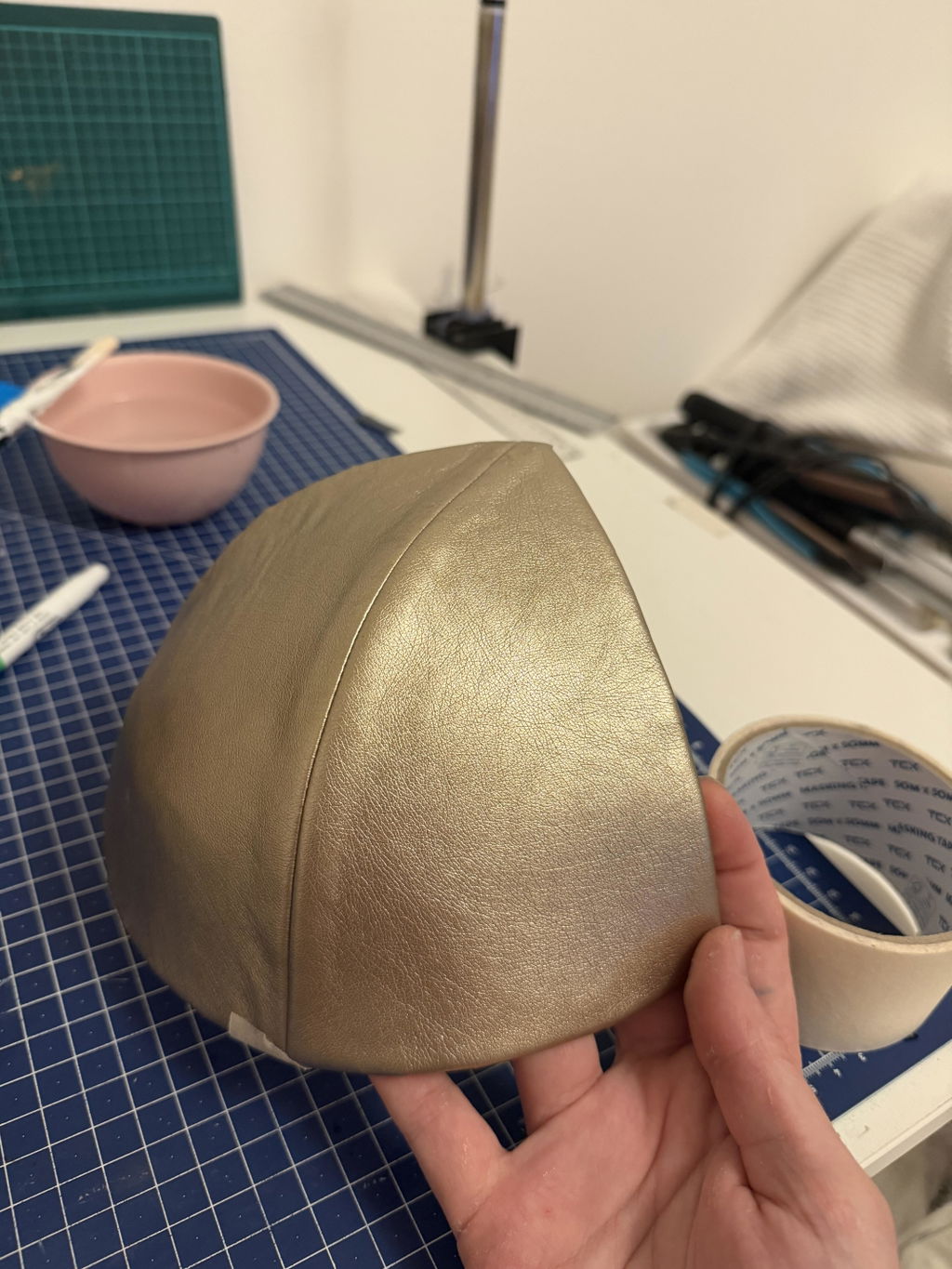
All good
Fajna, gęsto dobrze się z nią pracuje
Der EVA-Schaumstoff mit 100 kg/m³ ist perfekt verarbeitbar: Er lässt sich sauber schneiden, hervorragend schleifen und formen. Die 5 mm Stärke bietet die ideale Stabilität für Cosplay-Rüstungen und DIY-Projekte. Primer und Farbe haften perfekt auf der glatten Oberfläche. Clear Kaufempfehlung!
Łatwo się z tą pianką pracuje. Pociąłem na mniejsze fragmenty do mojego projektu i jestem zadowolony, spełnia funkcję. Legitny sprzedawca.
FAQ
What is 100 kg/m³ density EVA foam best used for?
What is 100 kg/m³ density EVA foam best used for?
How can I effectively shape and sand high-density EVA foam?
How can I effectively shape and sand high-density EVA foam?
How does 100 kg/m³ EVA foam differ from lower-density foams?
How does 100 kg/m³ EVA foam differ from lower-density foams?
Can EVA foam be safely glued and painted?
Can EVA foam be safely glued and painted?
What is the best way to store EVA foam sheets?
What is the best way to store EVA foam sheets?
Which thickness of EVA foam should I choose for my cosplay project?
Which thickness of EVA foam should I choose for my cosplay project?
Safety
Featured collection
-
Vendor:MageCraft
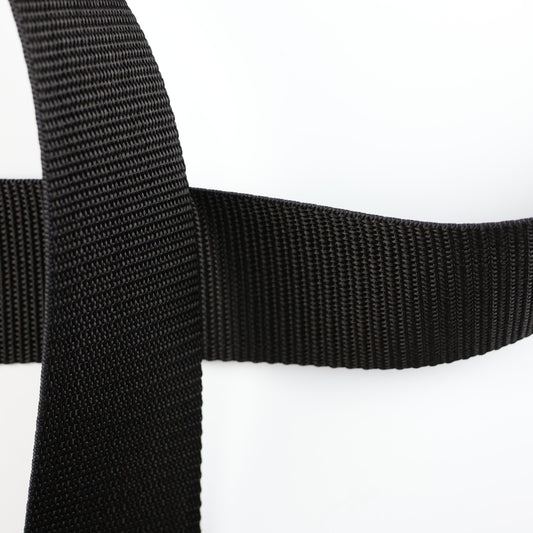
Polypropylene webbing - 20 mm/1 m black
Regular price €1,95Unit price / perRegular priceSale price €1,95Sold out -
Vendor:MageCraft
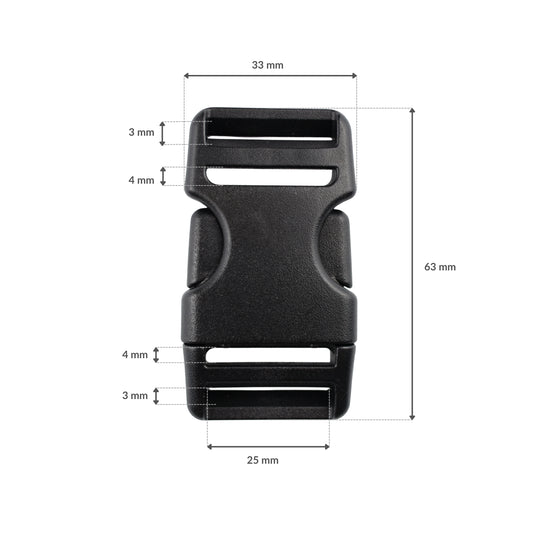
Plastic buckle - 25 mm black 1 pc.
Regular price €0,95Unit price / perRegular priceSale price €0,95 -
Vendor:MageCraft
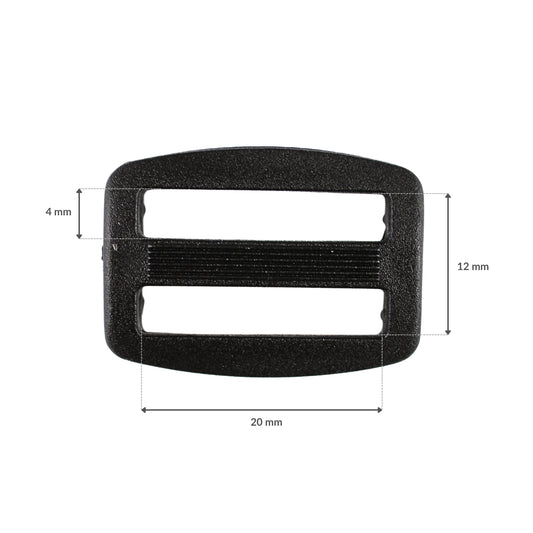
Plastic adjuster - 20/12 mm black 1 pc.
Regular price €0,95Unit price / perRegular priceSale price €0,95 -
Vendor:MageCraft
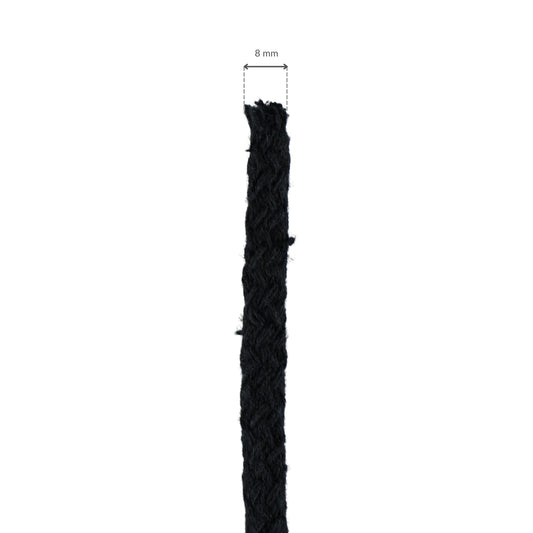
Cotton Cord - 8 mm/1 m black
Regular price €0,95Unit price / perRegular priceSale price €0,95 -
Vendor:MageCraft
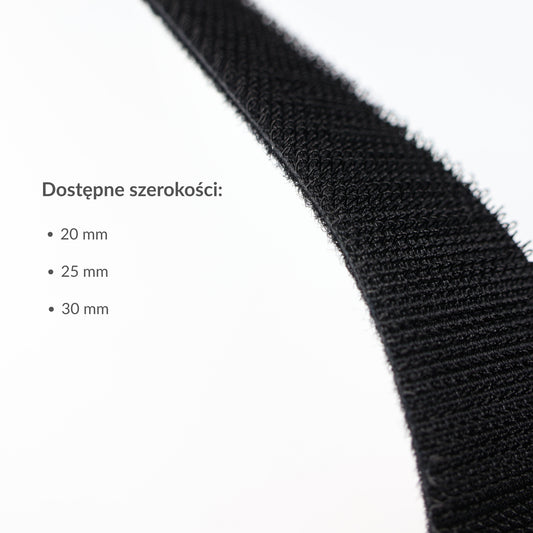
Hook and loop tape - double-sided 25 mm/1 m nylon black
Regular price €1,95Unit price / perRegular priceSale price €1,95Sold out -
Vendor:MageCraft
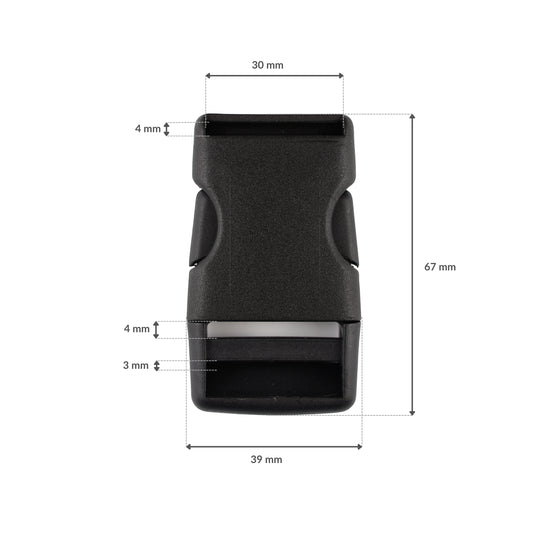
Plastic buckle - 30x67 mm black 1 pc.
Regular price €0,95Unit price / perRegular priceSale price €0,95 -
Vendor:MageCraft
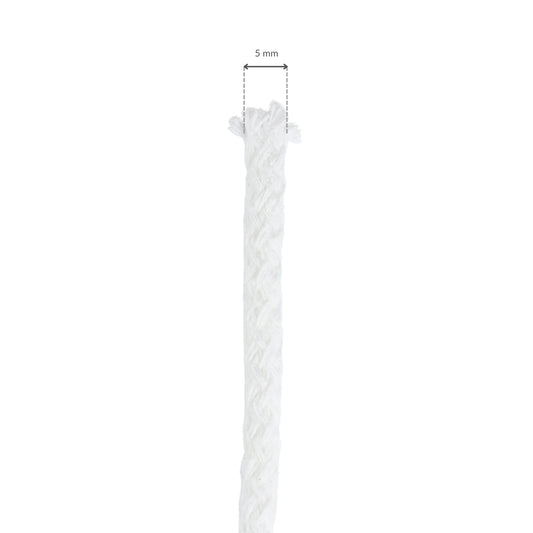
Cord - Cotton 5 mm/1 m white
Regular price €0,95Unit price / perRegular priceSale price €0,95 -
Vendor:MageCraft
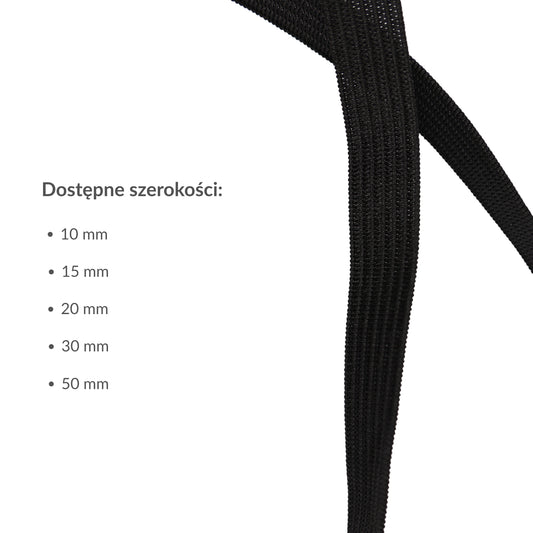
Elastic band - 30 mm/1 m black
Regular price €1,95Unit price / perRegular priceSale price €1,95 -
Vendor:MageCraft
Elastic band - 15 mm/5 m black
Regular price €0,95Unit price / perRegular priceSale price €0,95