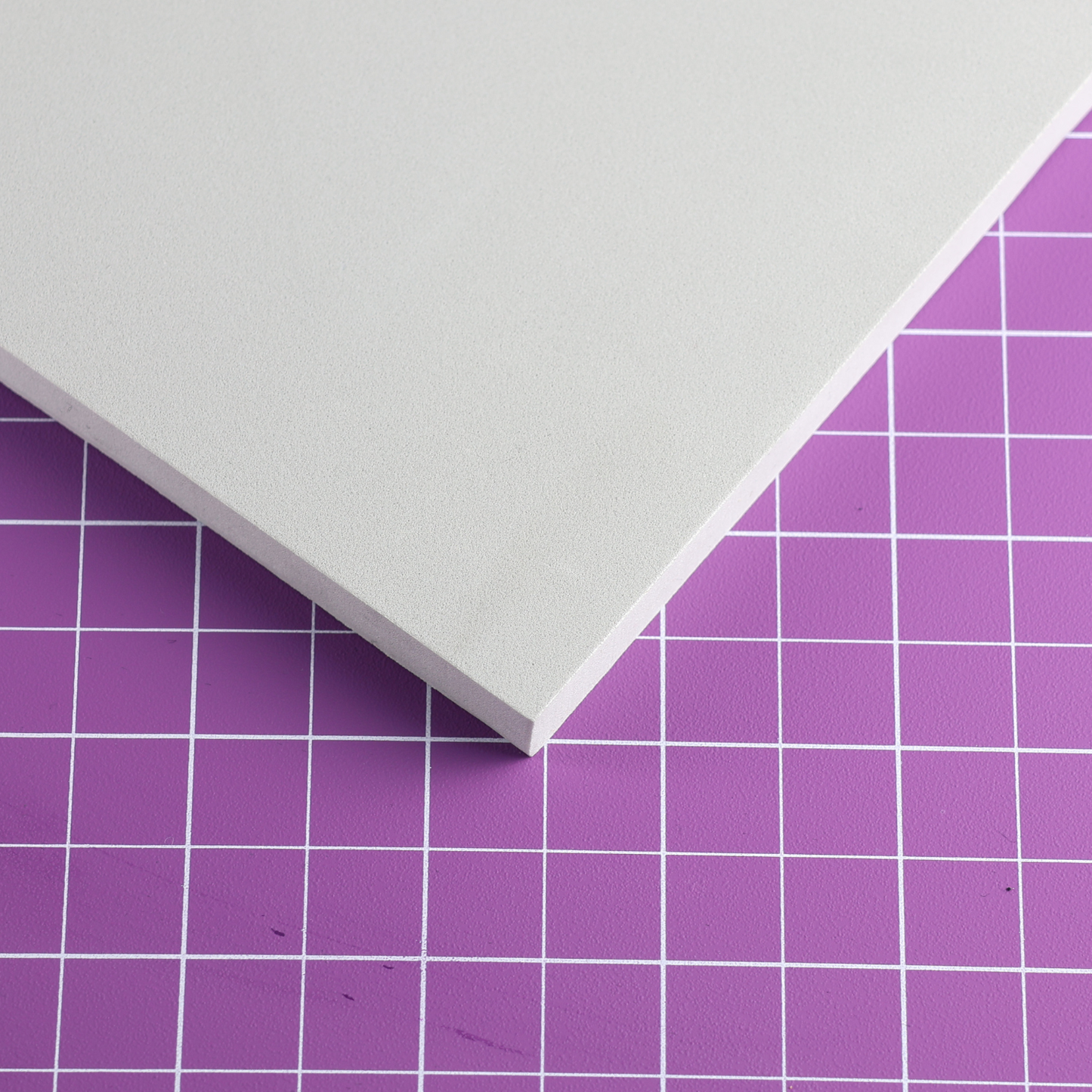
EVA foam 100 kg/m3, high density, 10 mm grey - 50x50 cm
EVA foam 100 kg/m3, high density, 10 mm grey - 50x50 cm

Secure payments
Your payment information is processed securely.


Description
Professional High-Density EVA Foam for Armour and Props
This high-density EVA foam 100 kg/m3 is a professional-grade material engineered for demanding prop makers and cosplayers. With a substantial 10 mm thickness, it provides exceptional structural rigidity, often eliminating the need for complex internal support skeletons. The smooth, grey surface is highly receptive to heat forming and mechanical processing, serving as an ideal foundation for heavy-duty cosplay projects.
Key Product Features
- High density 100 kg/m3: This extremely compact structure makes the foam significantly tougher and more tear-resistant than standard craft foams. It allows for precise milling, edge sanding, and intricate detail cutting without material fraying.
- 10 mm thickness: This depth guarantees excellent stability and durability for structural builds. It is the perfect choice for constructing thick armour pieces, heavy weapons, shields, and other props requiring a solid, self-supporting base.
- Convenient 50x50 cm sheet: The compact format allows for efficient pattern planning while minimizing material waste. It simplifies storage and logistics in smaller workshops while providing ample space for most individual cosplay components.
- Thermal plasticity: The material reacts perfectly to high temperatures, enabling easy shaping into complex three-dimensional forms. Once cooled, these shapes remain permanently fixed, and the foam structure allows for multiple adjustments during the modeling process.
- Neutral grey colour: The neutral tone simplifies the drawing of auxiliary lines and templates using markers. It also acts as an excellent base layer for primers and subsequent finishes using acrylic paints or sprays.
Suggested Applications
Heavy Armour Fabrication
The rigid nature of this high-density foam is ideal for creating massive armour elements, such as pauldrons, breastplates, and greaves. Components retain their intended shape even during intense use at conventions or stage performances.
Prop and Weapon Crafting
This material serves as an indispensable base for swords, axes, and shields. The 10 mm sheets can be laminated and ground down using a rotary tool to achieve sharp, realistic edges and weathered battle damage.
Structural Reinforcement
Due to its high stiffness, this foam functions effectively as an internal stabilizer for softer materials or as a foundation for complex mechanical and electronic builds. It provides a stable surface for mounting straps, velcro, or LED lighting systems.
For optimal results, ensure the use of professional assembly solutions, such as the contact cement for high-strength, flexible bonds. For precise shaping and heat-forming, explore our selection of heat guns to achieve perfect contours in your next cosplay build.
Specification
| Attribute | Value |
|---|---|
Thickness |
10 mm |
Self-adhesive |
No |
Density |
100 kg/m3 |
Size |
50x50 cm |
SKU: |
MGC-EVAF-0020 |
EAN: |
5904423960703 |
Reviews
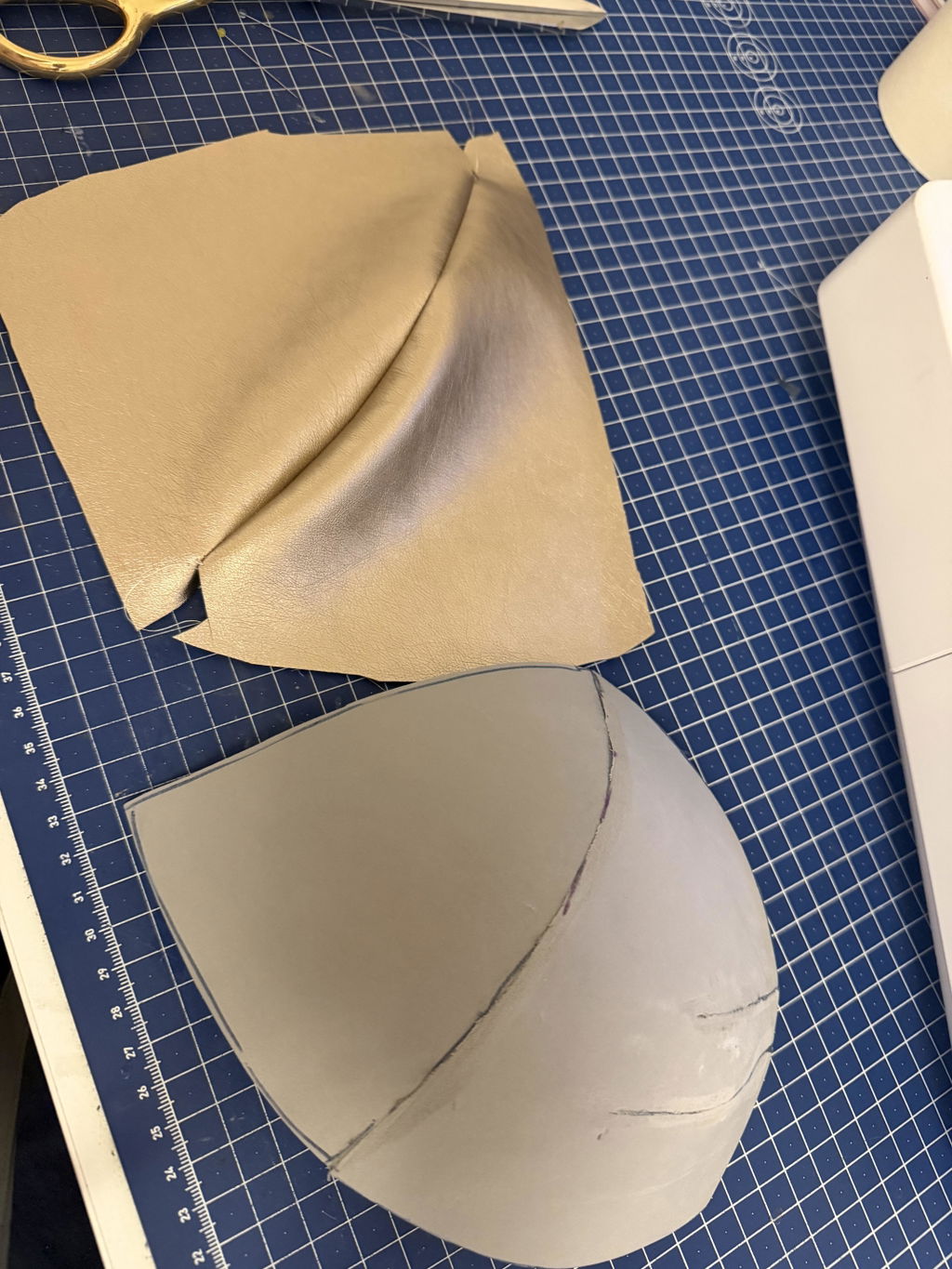
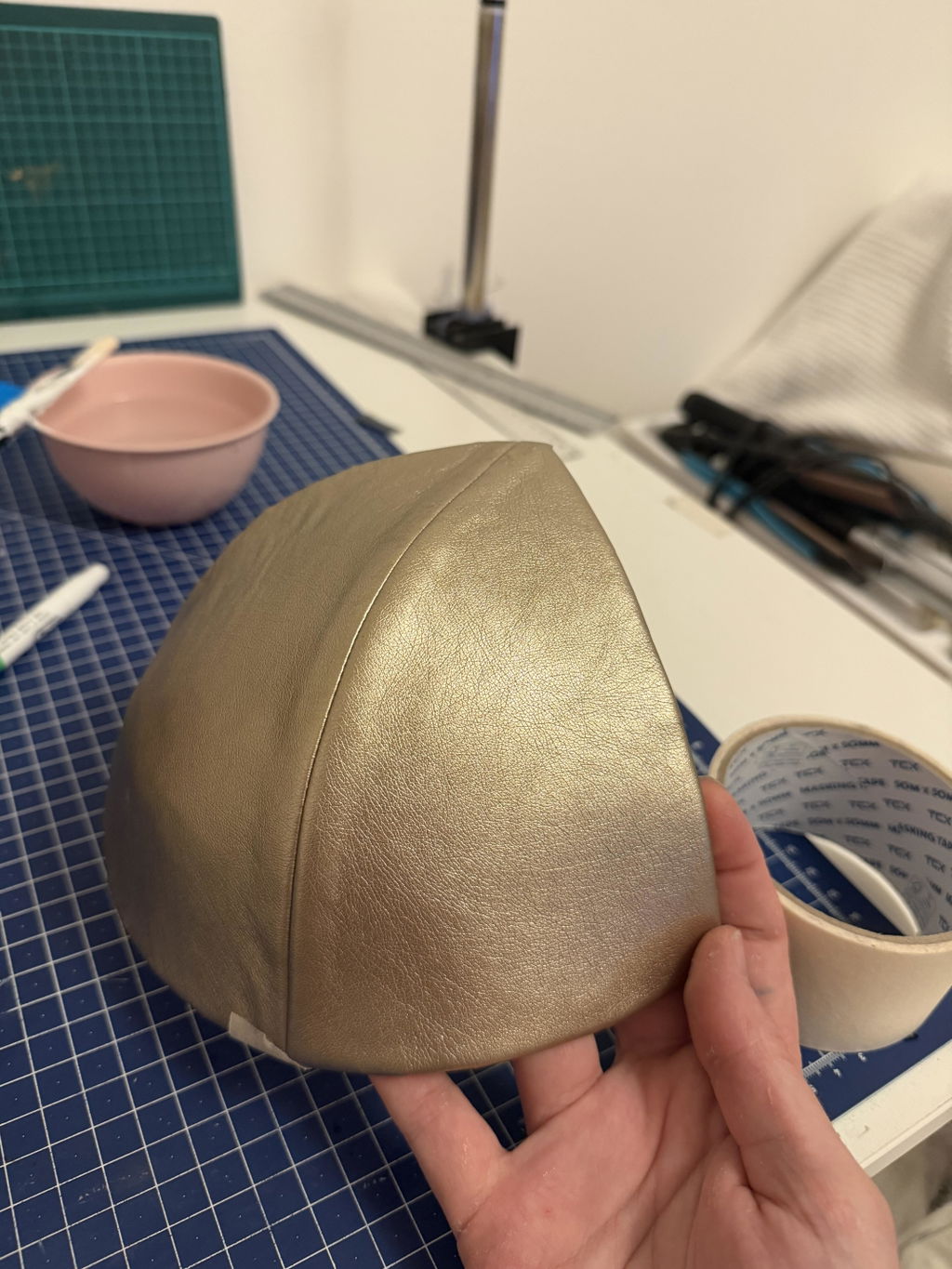
The products were good and easy to work with. The communication with the shop was very good as well , thank you 😊
All good
Fajna, gęsto dobrze się z nią pracuje
Der EVA-Schaumstoff mit 100 kg/m³ ist perfekt verarbeitbar: Er lässt sich sauber schneiden, hervorragend schleifen und formen. Die 5 mm Stärke bietet die ideale Stabilität für Cosplay-Rüstungen und DIY-Projekte. Primer und Farbe haften perfekt auf der glatten Oberfläche. Clear Kaufempfehlung!
Łatwo się z tą pianką pracuje. Pociąłem na mniejsze fragmenty do mojego projektu i jestem zadowolony, spełnia funkcję. Legitny sprzedawca.
FAQ
What is 100 kg/m³ density EVA foam best used for?
What is 100 kg/m³ density EVA foam best used for?
How can I effectively shape and sand high-density EVA foam?
How can I effectively shape and sand high-density EVA foam?
How does 100 kg/m³ EVA foam differ from lower-density foams?
How does 100 kg/m³ EVA foam differ from lower-density foams?
Can EVA foam be safely glued and painted?
Can EVA foam be safely glued and painted?
What is the best way to store EVA foam sheets?
What is the best way to store EVA foam sheets?
Which thickness of EVA foam should I choose for my cosplay project?
Which thickness of EVA foam should I choose for my cosplay project?
Safety
Featured collection
-
Vendor:MageCraft
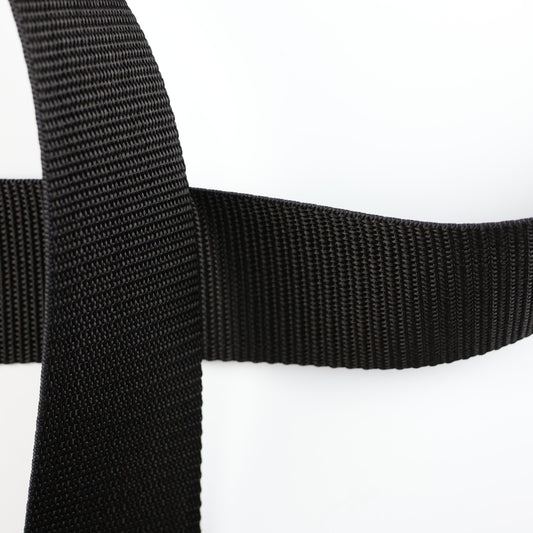
Polypropylene webbing - 20 mm/1 m black
Regular price €1,95Unit price / perRegular priceSale price €1,95Sold out -
Vendor:MageCraft
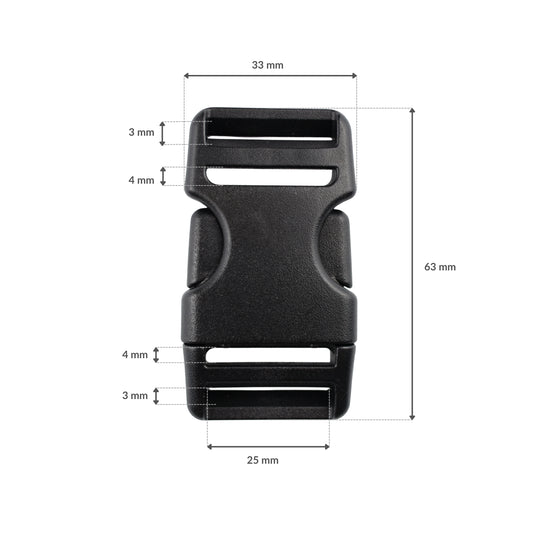
Plastic buckle - 25 mm black 1 pc.
Regular price €0,95Unit price / perRegular priceSale price €0,95 -
Vendor:MageCraft
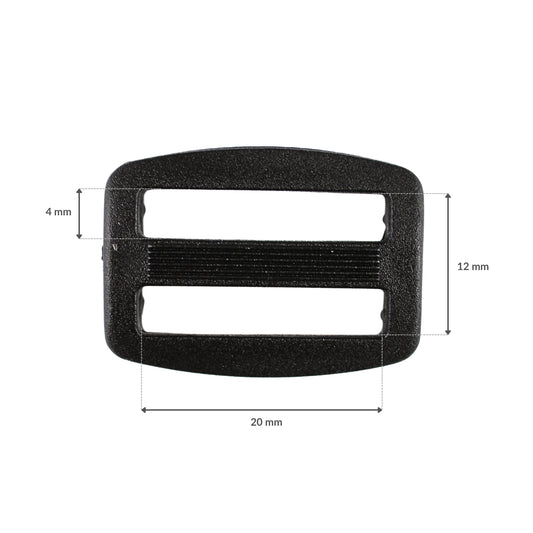
Plastic adjuster - 20/12 mm black 1 pc.
Regular price €0,95Unit price / perRegular priceSale price €0,95 -
Vendor:MageCraft
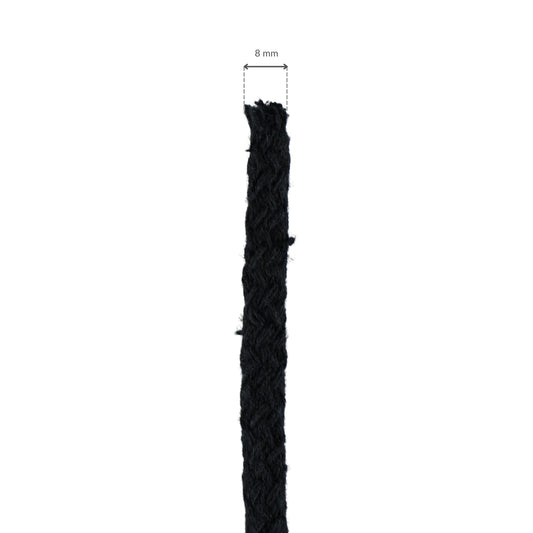
Cotton Cord - 8 mm/1 m black
Regular price €0,95Unit price / perRegular priceSale price €0,95 -
Vendor:MageCraft
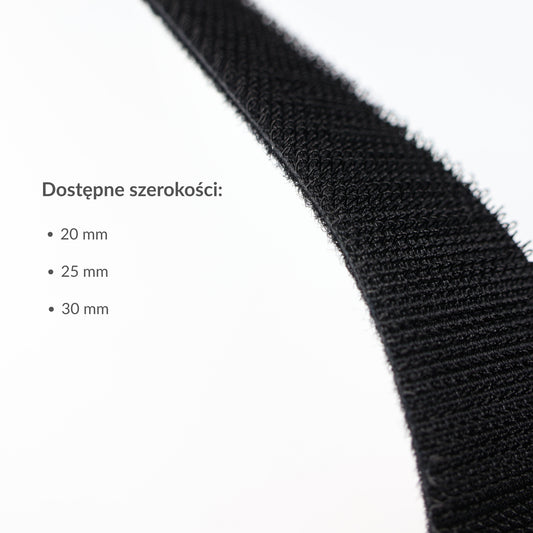
Hook and loop tape - double-sided 25 mm/1 m nylon black
Regular price €1,95Unit price / perRegular priceSale price €1,95Sold out -
Vendor:MageCraft
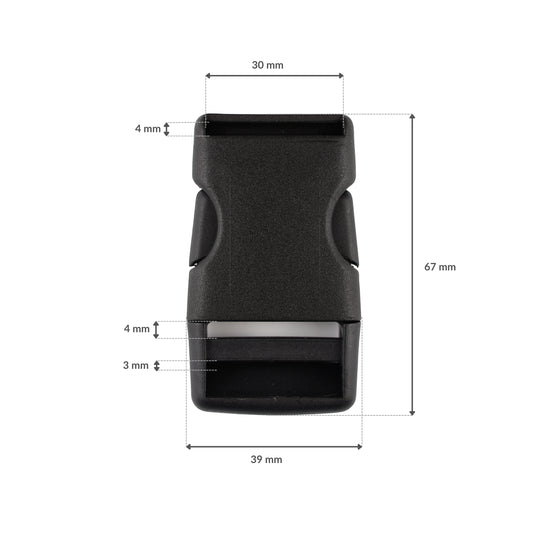
Plastic buckle - 30x67 mm black 1 pc.
Regular price €0,95Unit price / perRegular priceSale price €0,95 -
Vendor:MageCraft
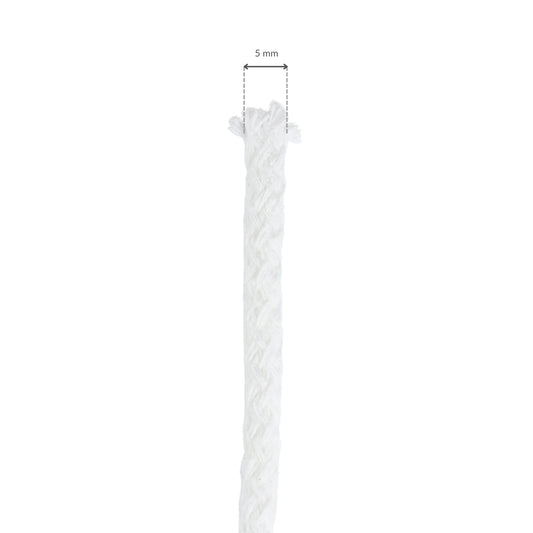
Cord - Cotton 5 mm/1 m white
Regular price €0,95Unit price / perRegular priceSale price €0,95 -
Vendor:MageCraft
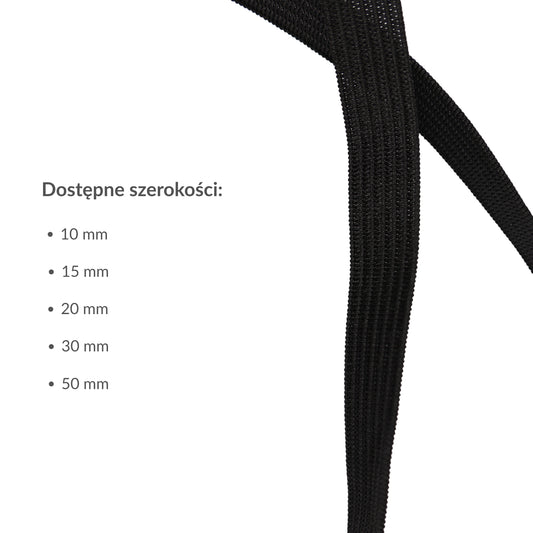
Elastic band - 30 mm/1 m black
Regular price €1,95Unit price / perRegular priceSale price €1,95 -
Vendor:MageCraft
Elastic band - 15 mm/5 m black
Regular price €0,95Unit price / perRegular priceSale price €0,95