EVA foam 100 kg/m3, firm, 5 mm grey - 50x50 cm
EVA foam 100 kg/m3, firm, 5 mm grey - 50x50 cm

Secure payments
Your payment information is processed securely.


Description
High-Density EVA Foam for Professional Cosplay and LARP Projects
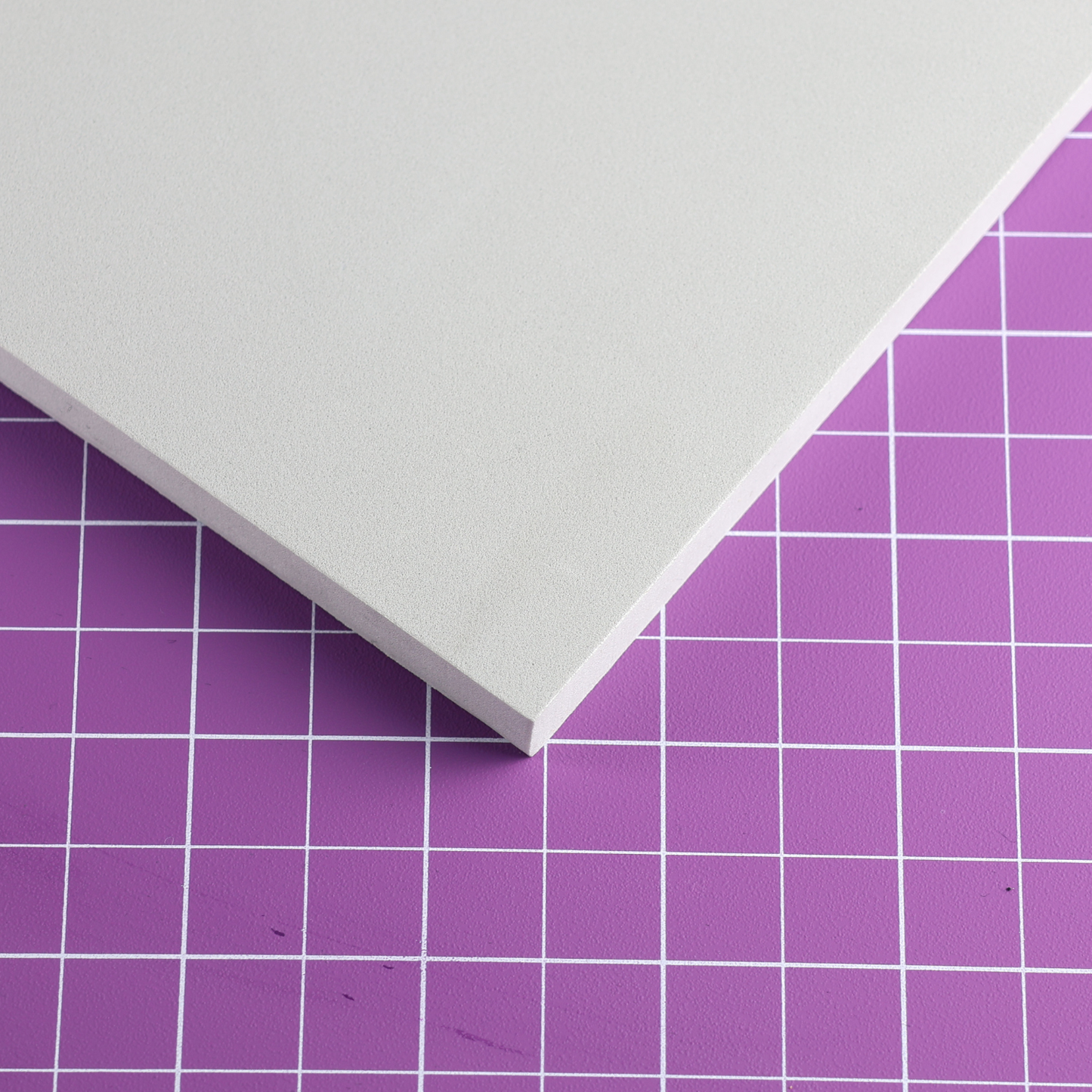
This high-density EVA foam 100 kg/m3 is a professional-grade material engineered for demanding cosplay armor, LARP gear, and intricate props. Featuring a 5 mm thickness and a uniform, closed-cell structure, it offers exceptional rigidity while remaining easy to shape. The smooth surface ensures a clean finish, making it an essential foundation for builders who prioritize durability and precision in their creative work.
Key Features
- High density: With a density of 100 kg/m3, this foam provides superior stiffness, ensuring that armor elements hold their intended shape without sagging. It offers excellent resistance to mechanical deformation and wear during use.
- Optimal thickness: The 5 mm gauge represents a perfect balance between structural integrity and flexibility. It is an ideal choice for layering armor segments or creating robust load-bearing sections of prop weapons.
- Precision processing: The material is characterized by a fine, closed-cell structure that enables clean cutting and easy sanding. It responds reliably to heat forming with a heat gun, allowing for complex, organic shapes.
- Convenient format: The 50x50 cm sheet size is designed for easy handling and efficient project planning. This compact format minimizes material waste while remaining simple to store in a home workshop.
- Neutral base: The consistent grey color serves as a perfect neutral base for mapping out design lines and templates. It provides an excellent surface for primers and acrylic paints to adhere to, ensuring smooth coverage.
Applications
Armor and Costume Construction
The high-density foam acts as the perfect backbone for greaves, shoulder pauldrons, and chest plates. Its structural strength ensures that your armor retains its crisp, game-accurate silhouette even during long days at conventions.
Weaponry and Prop Design
The 5 mm thickness is perfectly suited for crafting sturdy shields, swords, and staff details. You can easily achieve sharp, realistic bevels and edges, providing a professional look while maintaining the stability required for LARP encounters.
Detailed Layering and Trim
Thanks to its smooth surface, this foam is excellent for creating intricate decorative patterns, runes, and embossed trim. It accepts Dremel work with ease, allowing for the carving of fine textures directly onto the surface for high-detail finishes.
To achieve the best results, use a strong contact adhesive to bond your pieces and a precise crafting knife for clean edges. If you are looking to finish your build with a professional appearance, explore our range of acrylic paints and specialized tools to complete your project.
Specification
| Attribute | Value |
|---|---|
Thickness |
5 mm |
Self-adhesive |
No |
Density |
100 kg/m3 |
Size |
50x50 cm |
SKU: |
MGC-EVAF-0016 |
EAN: |
5904423960741 |
Reviews
The products were good and easy to work with. The communication with the shop was very good as well , thank you 😊
All good
Fajna, gęsto dobrze się z nią pracuje
Der EVA-Schaumstoff mit 100 kg/m³ ist perfekt verarbeitbar: Er lässt sich sauber schneiden, hervorragend schleifen und formen. Die 5 mm Stärke bietet die ideale Stabilität für Cosplay-Rüstungen und DIY-Projekte. Primer und Farbe haften perfekt auf der glatten Oberfläche. Clear Kaufempfehlung!
Łatwo się z tą pianką pracuje. Pociąłem na mniejsze fragmenty do mojego projektu i jestem zadowolony, spełnia funkcję. Legitny sprzedawca.
FAQ
What is 100 kg/m³ density EVA foam best used for?
What is 100 kg/m³ density EVA foam best used for?
How can I effectively shape and sand high-density EVA foam?
How can I effectively shape and sand high-density EVA foam?
How does 100 kg/m³ EVA foam differ from lower-density foams?
How does 100 kg/m³ EVA foam differ from lower-density foams?
Can EVA foam be safely glued and painted?
Can EVA foam be safely glued and painted?
What is the best way to store EVA foam sheets?
What is the best way to store EVA foam sheets?
Which thickness of EVA foam should I choose for my cosplay project?
Which thickness of EVA foam should I choose for my cosplay project?
Safety
Featured collection
-
Vendor:MageCraft
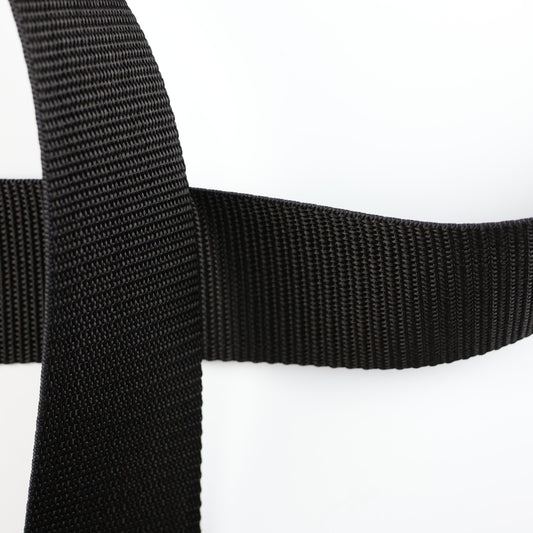
Polypropylene webbing - 20 mm/1 m black
Regular price €1,95Unit price / perRegular priceSale price €1,95Sold out -
Vendor:MageCraft
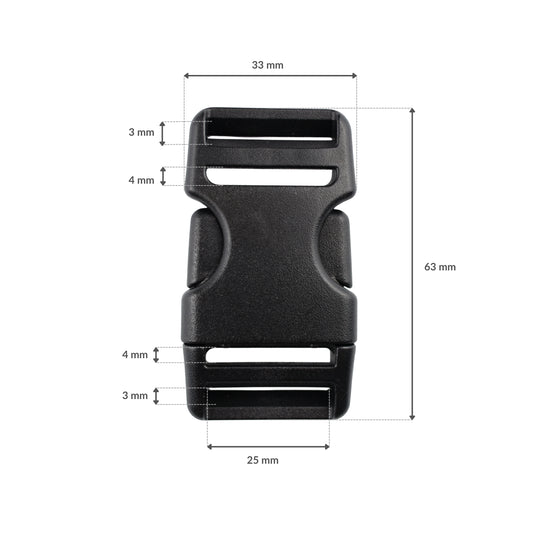
Plastic buckle - 25 mm black 1 pc.
Regular price €0,95Unit price / perRegular priceSale price €0,95 -
Vendor:MageCraft
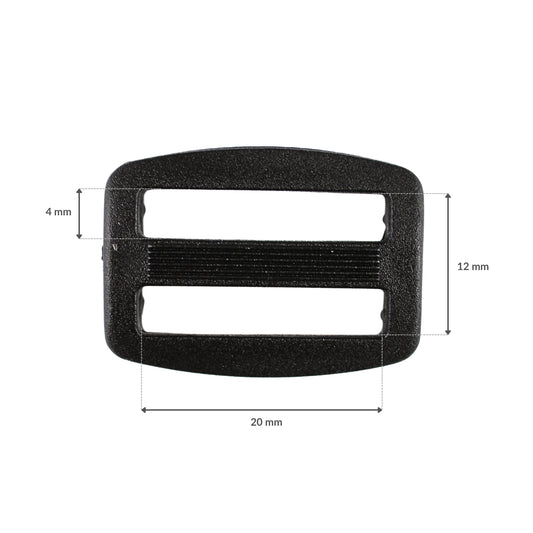
Plastic adjuster - 20/12 mm black 1 pc.
Regular price €0,95Unit price / perRegular priceSale price €0,95 -
Vendor:MageCraft
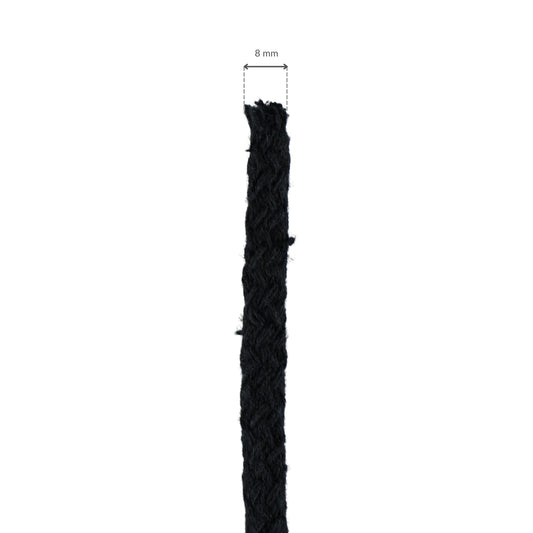
Cotton Cord - 8 mm/1 m black
Regular price €0,95Unit price / perRegular priceSale price €0,95 -
Vendor:MageCraft
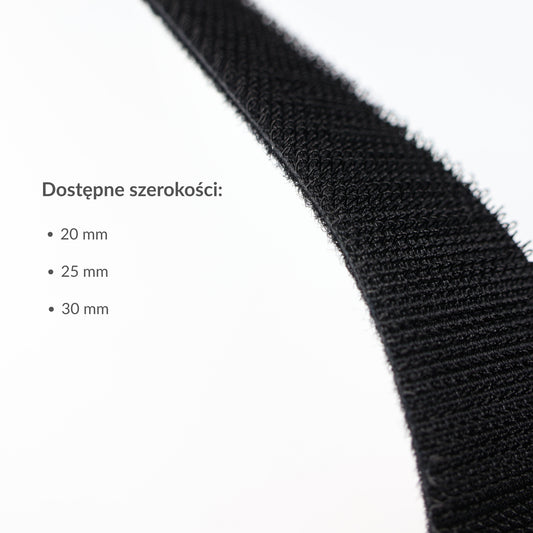
Hook and loop tape - double-sided 25 mm/1 m nylon black
Regular price €1,95Unit price / perRegular priceSale price €1,95Sold out -
Vendor:MageCraft
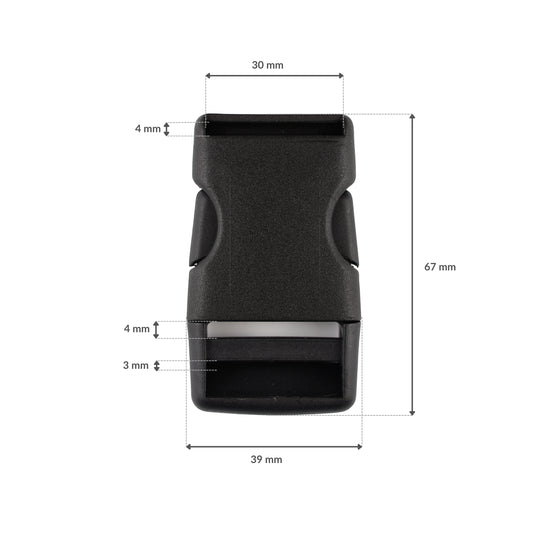
Plastic buckle - 30x67 mm black 1 pc.
Regular price €0,95Unit price / perRegular priceSale price €0,95 -
Vendor:MageCraft
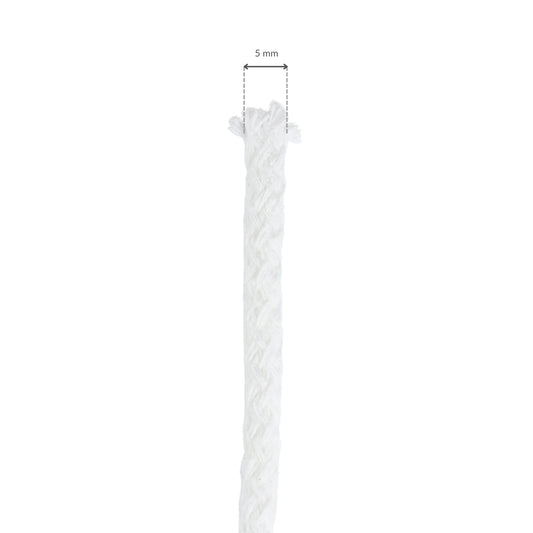
Cord - Cotton 5 mm/1 m white
Regular price €0,95Unit price / perRegular priceSale price €0,95 -
Vendor:MageCraft
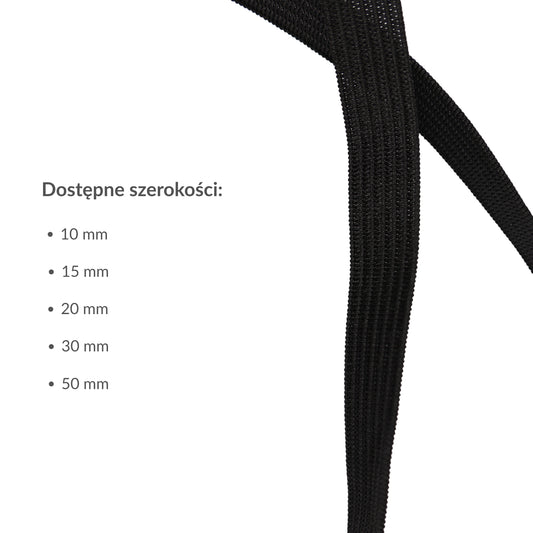
Elastic band - 30 mm/1 m black
Regular price €1,95Unit price / perRegular priceSale price €1,95 -
Vendor:MageCraft
Elastic band - 15 mm/5 m black
Regular price €0,95Unit price / perRegular priceSale price €0,95