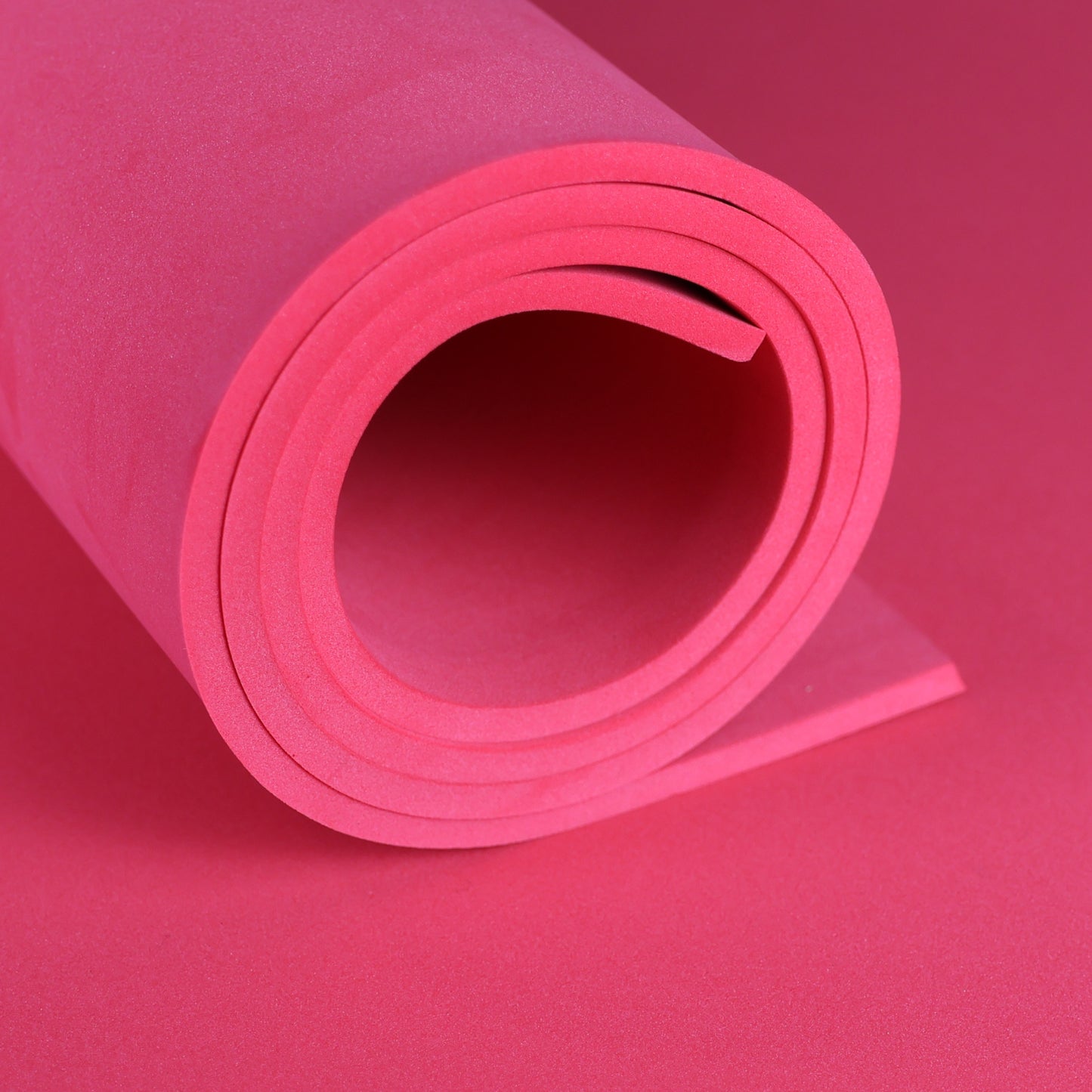
EVA foam 65 kg/m3, 2 mm red - 100x50 cm
EVA foam 65 kg/m3, 2 mm red - 100x50 cm


Secure payments
Your payment information is processed securely.


Description
High-density 2 mm EVA foam for precise cosplay detailing
This red EVA foam with a 65 kg/m3 density is an essential material for professional cosplay crafting and prop making. Its 2 mm thickness offers the perfect balance of flexibility and structural integrity, allowing for intricate detailing and layered builds. The vibrant red color ensures easy tracing and mapping, significantly streamlining the construction of complex armor sets and decorative elements.
Key features
- Optimized Density: With a density of 65 kg/m3, this EVA foam provides excellent resistance to tearing while maintaining enough flexibility for comfortable wear. It holds sharp shapes exceptionally well, making it ideal for high-detail armor pieces.
- Precise 2 mm Thickness: The thin 2 mm profile is perfect for creating filigree, trim, and decorative overlays. This cosplay material allows for clean, sharp cuts with hobby knives, ensuring a professional finish on all attachments.
- Vibrant Red Color: The intense red color helps in managing multi-layered projects and simplifies depth control during etching or cutting. It serves as an excellent base for various paints, often requiring fewer primer coats for full coverage.
- Heat Formability: This material reacts reliably to heat, becoming highly pliable for shaping into complex curves or organic forms. Once cooled, it permanently retains the desired structure, which is crucial for armor fabrication.
- Versatile Sheet Format: Measuring 100x50 cm, the large sheet provides ample surface area for large templates. This size minimizes material waste and allows for the cutting of long straps or border elements without visible seams.
Applications
Intricate Armor Detailing
The 2 mm thickness is ideal for replicating filigree, buckles, and embossed patterns on armor. It provides realistic depth and sharp edges when layered over larger, thicker structural foam bases.
Flexible Wearable Props
Thanks to its high flexibility, the material is perfect for creating belts, bracers, and decorative cuffs. It adapts to body movement without cracking, ensuring long-lasting comfort during conventions.
Surface Finishing
The smooth texture acts as a perfect outer layer for foam-based weapons and shields. It effectively masks manufacturing joints and can be easily textured to simulate battle damage or worn surfaces.
For professional-grade results, ensure all bonds are reinforced with high-quality contact adhesives for a durable, flexible finish. Pair this material with acrylic paints to achieve the perfect look for any character design.
Specification
| Attribute | Value |
|---|---|
Thickness |
2 mm |
Self-adhesive |
No |
Color |
Red |
Density |
65 kg/m3 |
Size |
100x50 cm |
SKU: |
MGC-EVAF-0044 |
EAN: |
5904423961250 |
Reviews
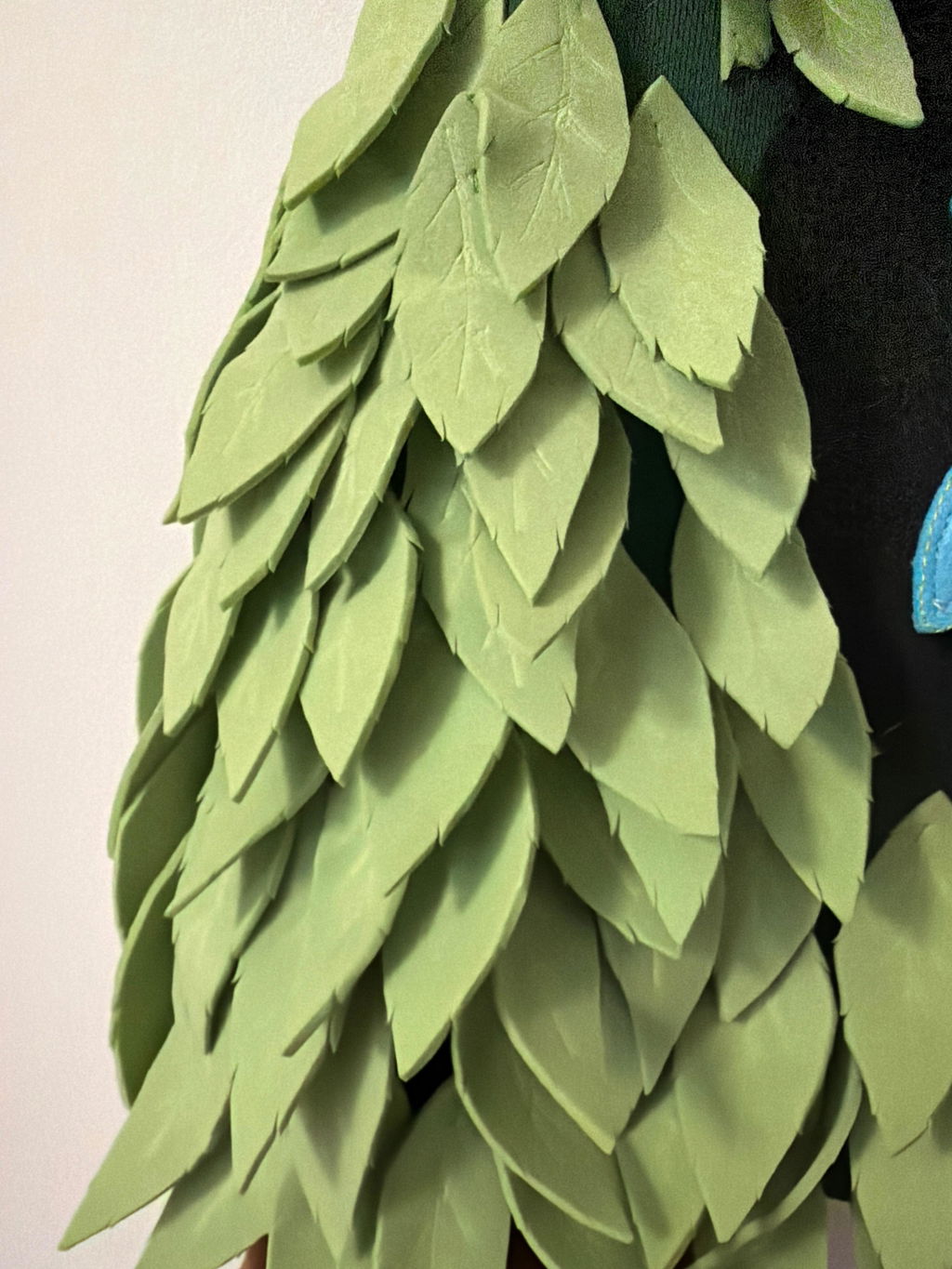
Pianka bardzo dobrej jakości. Użyłam do zrobienia stroju karnawałowego dla dziecka i bardzo dobrze się sprawdziła. Polecam
Profesjonalna obsługa
Kupiłam tą piankę z myślą o zrobieniu własnego kostiumu na Halloween i jestem mega zadowolona. Materiał świetnie się do tego nadaje, łatwo się go przycina i można go formować bez problemu. Do takich kreatywnych projektów sprawdza się naprawdę dobrze. Polecam!
Wszystko w porządku. Nie jest porowata
Wszystko ok
Użyłem do dylatacji .
Pianka w 100% spełnia oczekiwania, idealnie nadała się do mojego projektu!
Zgodny z oczekiwaniami, wszystko ok.
FAQ
What are colored EVA foam sheets best used for in cosplay and LARP?
What are colored EVA foam sheets best used for in cosplay and LARP?
Which EVA foam density should I choose for my project?
Which EVA foam density should I choose for my project?
What is the best way to cut and shape colored EVA foam?
What is the best way to cut and shape colored EVA foam?
How can I effectively glue colored EVA foam pieces together?
How can I effectively glue colored EVA foam pieces together?
Do colored EVA foam sheets require special priming before painting?
Do colored EVA foam sheets require special priming before painting?
How should I store EVA foam sheets to prevent warping?
How should I store EVA foam sheets to prevent warping?
Safety
Featured collection
-
Vendor:MageCraft
Polypropylene webbing - 20 mm/1 m black
Regular price €1,95Unit price / perRegular priceSale price €1,95Sold out -
Vendor:MageCraft
Plastic buckle - 25 mm black 1 pc.
Regular price €0,95Unit price / perRegular priceSale price €0,95 -
Vendor:MageCraft
Plastic adjuster - 20/12 mm black 1 pc.
Regular price €0,95Unit price / perRegular priceSale price €0,95 -
Vendor:MageCraft
Cotton Cord - 8 mm/1 m black
Regular price €0,95Unit price / perRegular priceSale price €0,95 -
Vendor:MageCraft
Hook and loop tape - double-sided 25 mm/1 m nylon black
Regular price €1,95Unit price / perRegular priceSale price €1,95Sold out -
Vendor:MageCraft
Plastic buckle - 30x67 mm black 1 pc.
Regular price €0,95Unit price / perRegular priceSale price €0,95 -
Vendor:MageCraft
Cord - Cotton 5 mm/1 m white
Regular price €0,95Unit price / perRegular priceSale price €0,95 -
Vendor:MageCraft
Elastic band - 30 mm/1 m black
Regular price €1,95Unit price / perRegular priceSale price €1,95 -
Vendor:MageCraft
Elastic band - 15 mm/5 m black
Regular price €0,95Unit price / perRegular priceSale price €0,95