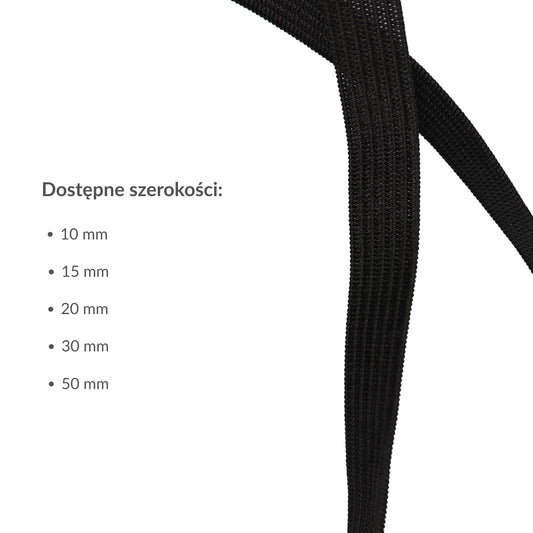
EVA foam 65 kg/m3, 2 mm black - 100x50 cm
EVA foam 65 kg/m3, 2 mm black - 100x50 cm


Secure payments
Your payment information is processed securely.


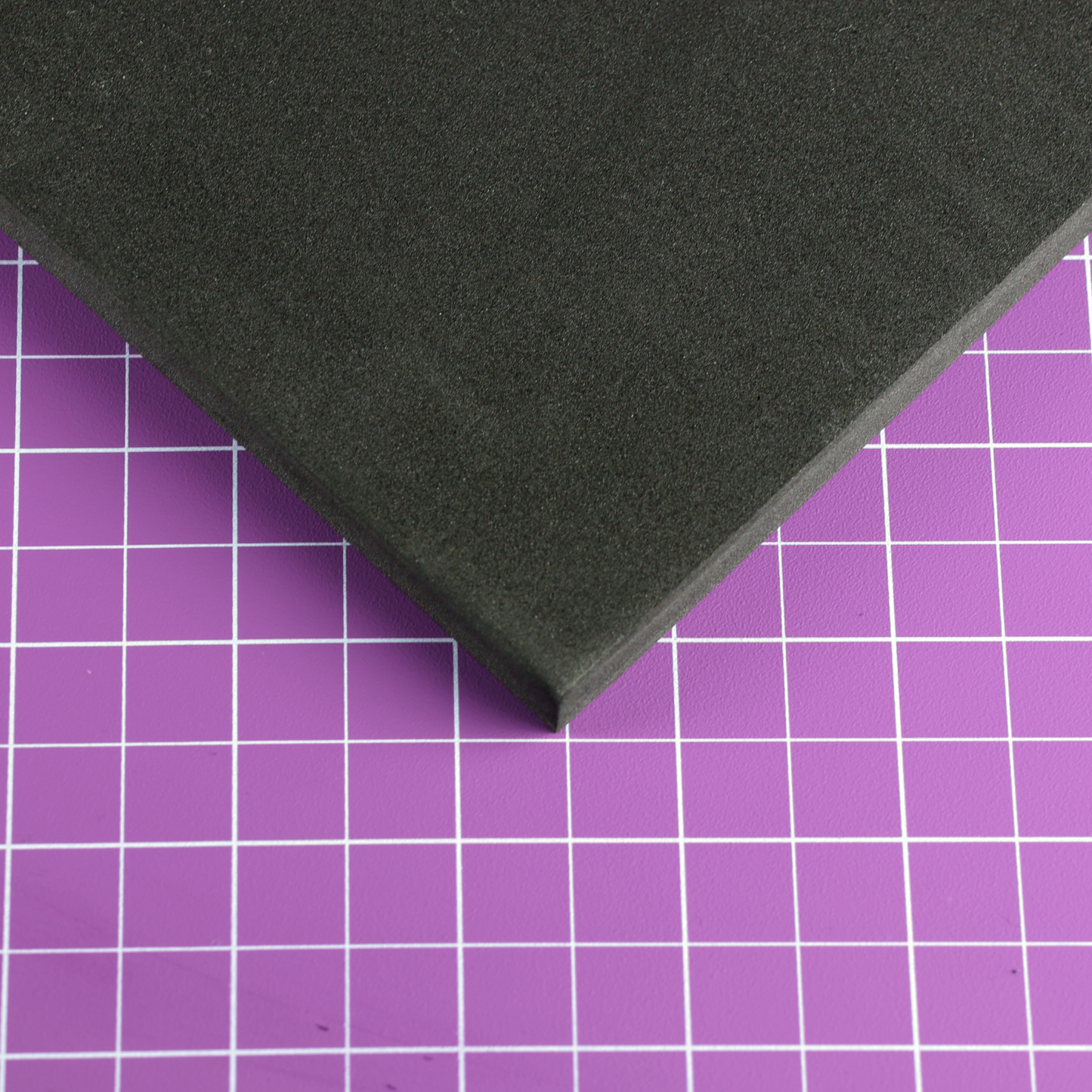
Description
High-Density Crafting with 2 mm EVA Foam
This 65 kg/m3 EVA foam in a 2 mm thickness is an essential material for every costume maker, prop designer, and hobbyist. Its superior high-density foam structure ensures excellent flexibility, tear resistance, and shape retention, making it perfect for intricate designs. The smooth surface finish simplifies the application of sealers and paints, effectively reducing your overall production time.
Product Specifications
- High Density (65 kg/m3): This professional-grade high-density EVA foam provides maximum resistance against tearing and stress. The compact cell structure allows for clean sanding, ensuring smooth edges on your armor or accessories.
- Precision 2 mm Thickness: The thin profile is ideal for crafting fine ornaments, realistic trim, and layered details. It adds necessary depth to cosplay projects without adding excessive weight or bulk to the base structure.
- Deep Black Color: The uniform dark base serves as a perfect foundation for metallic paints and complex finishes. It minimizes the need for multiple primer coats and effectively hides minor scuffs or cuts.
- Efficient 100x50 cm Format: This generous sheet size allows for optimized template layout and minimal waste. It is perfect for cutting long strips, piping, or extended armor panels with ease.
- Heat Formability: The material reacts predictably to heat, allowing you to create permanent, curved, and organic shapes. It cuts cleanly with a sharp utility knife, facilitating precise cosplay craftsmanship.
Key Applications
Intricate Armor Detailing
The 2 mm sheets are the gold standard for adding filigree, runes, and mechanical ornaments to larger armor pieces. By stacking layers, you can create impressive 3D effects that remain lightweight and comfortable to wear for extended periods.
Flexible Joint Coverings
Due to its high elasticity, this foam is ideal for areas requiring movement, such as elbow joints, gloves, or knee guards. It will not crack or tear under strain, ensuring your costume remains durable throughout intense convention days.
Prop and Weapon Finishing
Use this foam to wrap sword hilts, create leather-like textures, or build intricate sheaths. It provides a clean, professional finish that works seamlessly with various adhesives to secure your build components.
To achieve the best results, we recommend using a high-quality precision knife for clean cuts and a professional contact adhesive for a permanent, flexible bond. Explore our wide range of crafting materials to elevate your next project.
Specification
| Attribute | Value |
|---|---|
Thickness |
2 mm |
Self-adhesive |
No |
Color |
Black |
Density |
65 kg/m3 |
Size |
100x50 cm |
SKU: |
MGC-EVAF-0002 |
EAN: |
5904423960888 |
Reviews
Pianka bardzo dobrej jakości. Użyłam do zrobienia stroju karnawałowego dla dziecka i bardzo dobrze się sprawdziła. Polecam
Profesjonalna obsługa
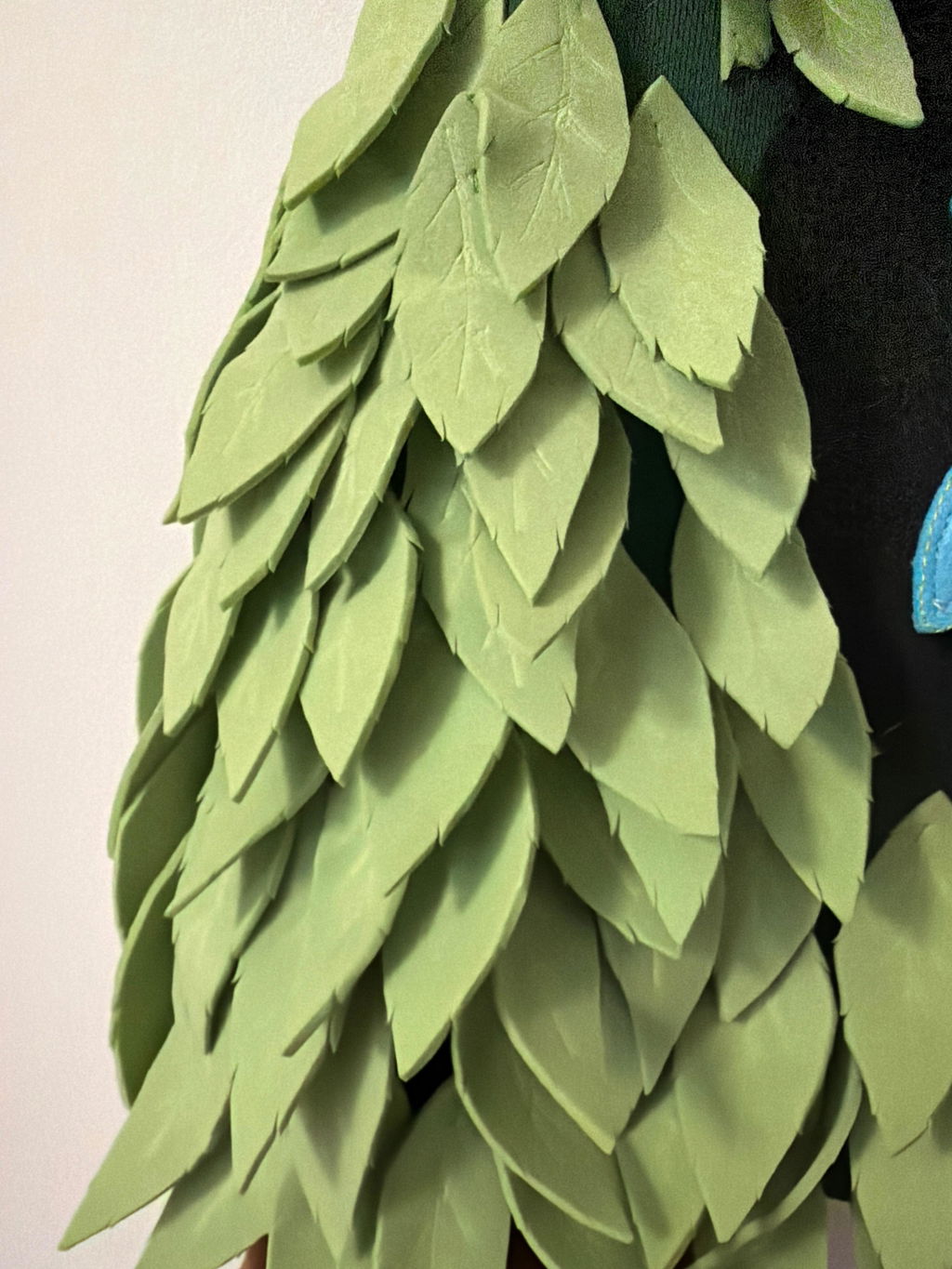
Kupiłam tą piankę z myślą o zrobieniu własnego kostiumu na Halloween i jestem mega zadowolona. Materiał świetnie się do tego nadaje, łatwo się go przycina i można go formować bez problemu. Do takich kreatywnych projektów sprawdza się naprawdę dobrze. Polecam!
Wszystko w porządku. Nie jest porowata
Wszystko ok
Użyłem do dylatacji .
Pianka w 100% spełnia oczekiwania, idealnie nadała się do mojego projektu!
Zgodny z oczekiwaniami, wszystko ok.
FAQ
What is 65 kg/m³ EVA foam best used for?
What is 65 kg/m³ EVA foam best used for?
Which thickness of EVA foam should I choose for my project?
Which thickness of EVA foam should I choose for my project?
What are the best methods for working with EVA foam?
What are the best methods for working with EVA foam?
What is the best way to glue EVA foam for durable joints?
What is the best way to glue EVA foam for durable joints?
How should I prep EVA foam for painting?
How should I prep EVA foam for painting?
Is 65 kg/m³ EVA foam safe to use?
Is 65 kg/m³ EVA foam safe to use?
Safety
Featured collection
-
Vendor:MageCraft
Polypropylene webbing - 20 mm/1 m black
Regular price €1,95Unit price / perRegular priceSale price €1,95Sold out -
Vendor:MageCraft
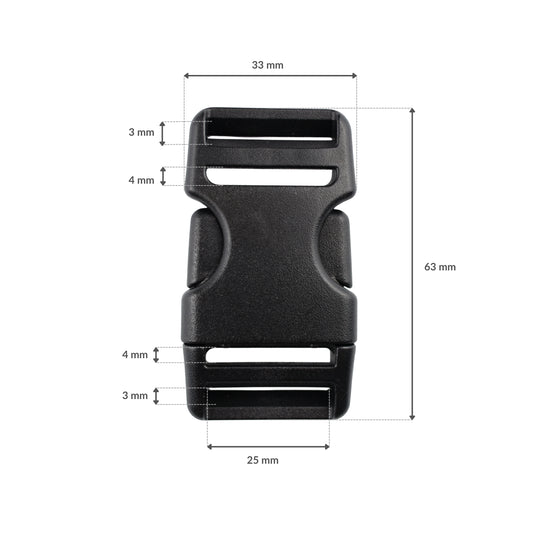
Plastic buckle - 25 mm black 1 pc.
Regular price €0,95Unit price / perRegular priceSale price €0,95 -
Vendor:MageCraft
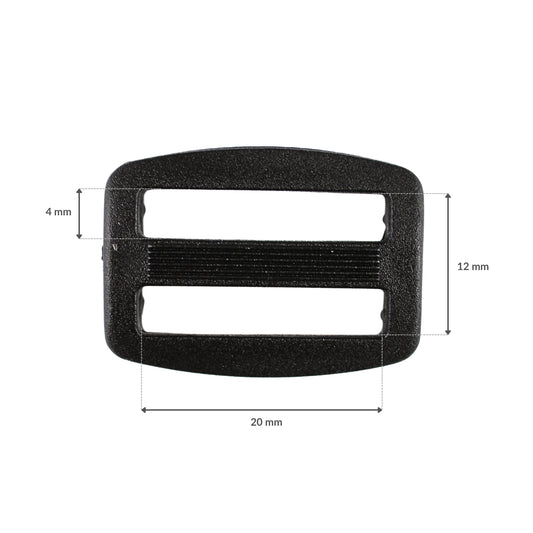
Plastic adjuster - 20/12 mm black 1 pc.
Regular price €0,95Unit price / perRegular priceSale price €0,95 -
Vendor:MageCraft
Cotton Cord - 8 mm/1 m black
Regular price €0,95Unit price / perRegular priceSale price €0,95 -
Vendor:MageCraft
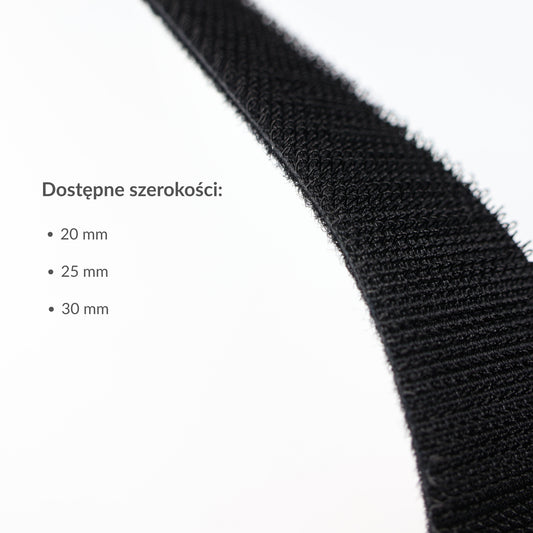
Hook and loop tape - double-sided 25 mm/1 m nylon black
Regular price €1,95Unit price / perRegular priceSale price €1,95Sold out -
Vendor:MageCraft
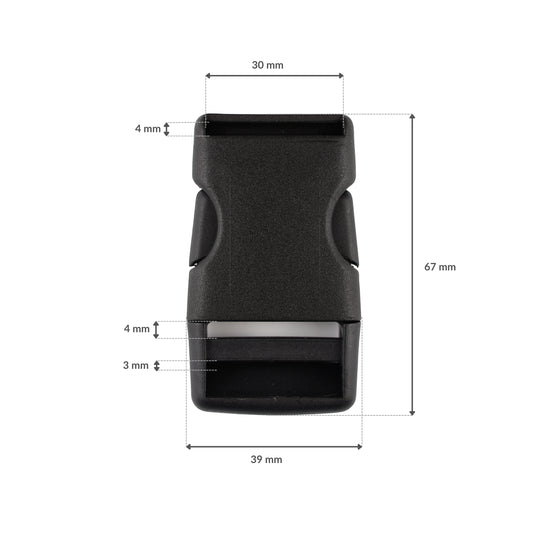
Plastic buckle - 30x67 mm black 1 pc.
Regular price €0,95Unit price / perRegular priceSale price €0,95 -
Vendor:MageCraft
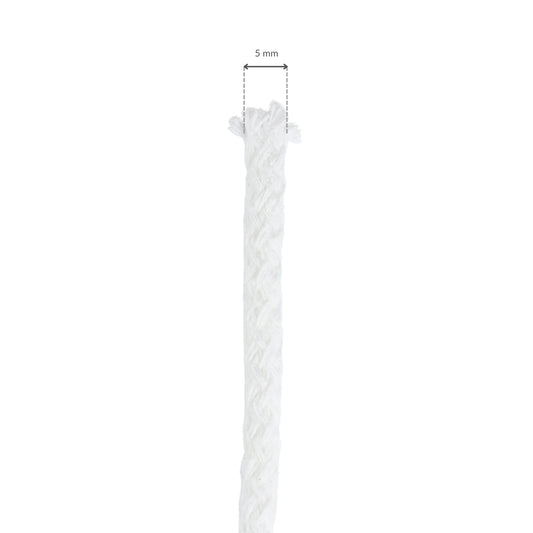
Cord - Cotton 5 mm/1 m white
Regular price €0,95Unit price / perRegular priceSale price €0,95 -
Vendor:MageCraft
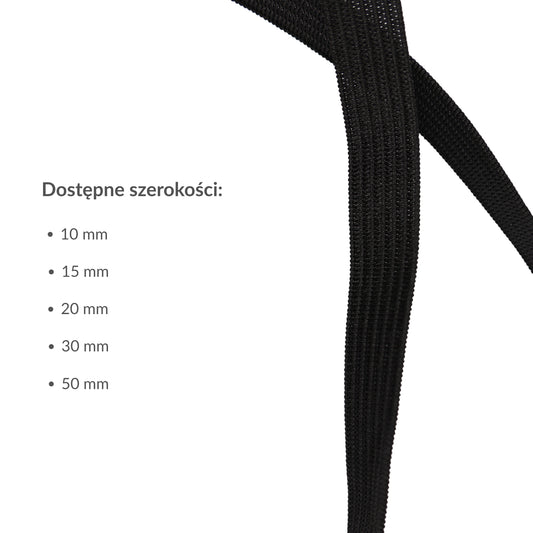
Elastic band - 30 mm/1 m black
Regular price €1,95Unit price / perRegular priceSale price €1,95 -
Vendor:MageCraft
Elastic band - 15 mm/5 m black
Regular price €0,95Unit price / perRegular priceSale price €0,95