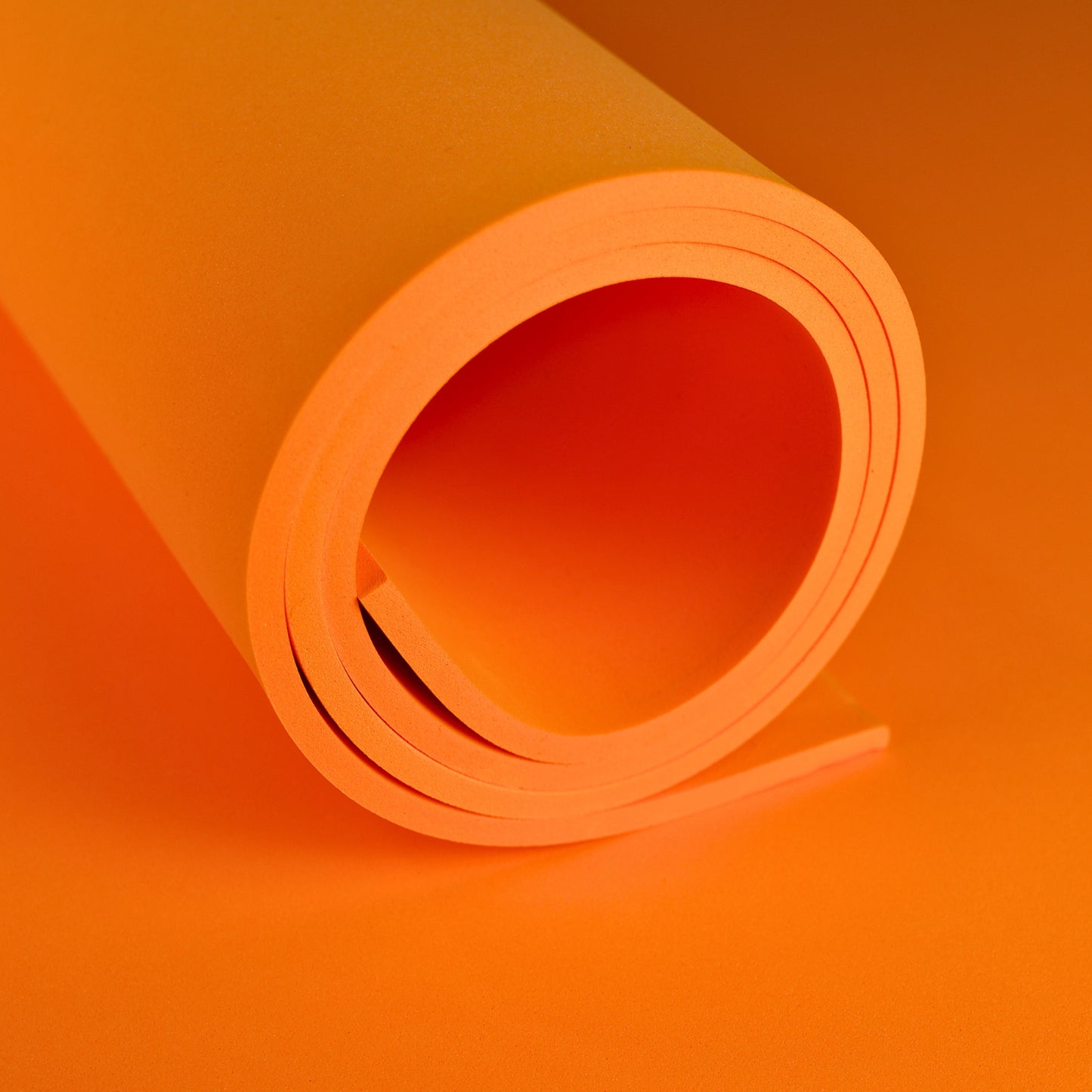
EVA foam 65 kg/m3, 5 mm orange - 100x50 cm
EVA foam 65 kg/m3, 5 mm orange - 100x50 cm


Secure payments
Your payment information is processed securely.


Description
Professional EVA foam for durable cosplay armor and props
This high-density EVA foam is an essential material for crafting robust armor, shields, and intricate cosplay accessories. Featuring a density of 65 kg/m³ and a thickness of 5 mm, it strikes the perfect balance between flexibility and structural rigidity. Its low-porosity surface ensures that cosplay projects require minimal primer application, allowing for a smooth and efficient finish on every piece.
Key product features
- Optimal density: The 65 kg/m³ density provides superior mechanical strength, ensuring the material remains tear-resistant during heat forming. This consistent structure prevents excessive absorption of primers and paints.
- Versatile thickness: The 5 mm thickness serves as a standard base for building complex armor sets and weapons. It allows for precise beveling and carving while maintaining excellent structural integrity.
- Vibrant orange color: The uniform orange hue simplifies the process of tracing patterns with markers and spotting fine details. It is an ideal choice for high-visibility fantasy or science-fiction designs.
- Generous sheet size: Each 100x50 cm sheet offers a large working surface, enabling the layout of extensive patterns while minimizing material waste. This size is perfect for creating long, continuous elements.
- Ease of processing: This EVA foam is highly receptive to cutting, sanding with rotary tools, and thermal shaping. It yields clean, smooth edges when paired with sharp cutting tools.
Applications
Armor and costume components
The 5 mm thickness and stable structure provide a perfect foundation for chest plates, pauldrons, and greaves. The material retains its molded shape after cooling and effectively absorbs stress during movement, ensuring the costume remains comfortable for extended wear.
Props and weapon replicas
The high mechanical stability of this foam grade allows for the creation of durable swords, shields, and fantasy accessories. It works seamlessly with internal structural cores, guaranteeing high safety standards for active LARP events.
Structural internal support
These sheets are frequently used as internal reinforcements for complex cosplay builds. The distinct orange color facilitates the planning of structural joints and makes it easier to mount hidden LED lighting installations behind outer layers.
For the best results when bonding this material, use our professional contact adhesives for strong, flexible seams. To achieve perfect curves and advanced thermal shaping, check out our selection of heat guns designed for precision work.
Specification
| Attribute | Value |
|---|---|
Thickness |
5 mm |
Self-adhesive |
No |
Color |
Orange |
Density |
65 kg/m3 |
Size |
100x50 cm |
SKU: |
MGC-EVAF-0030 |
EAN: |
5904423961113 |
Reviews
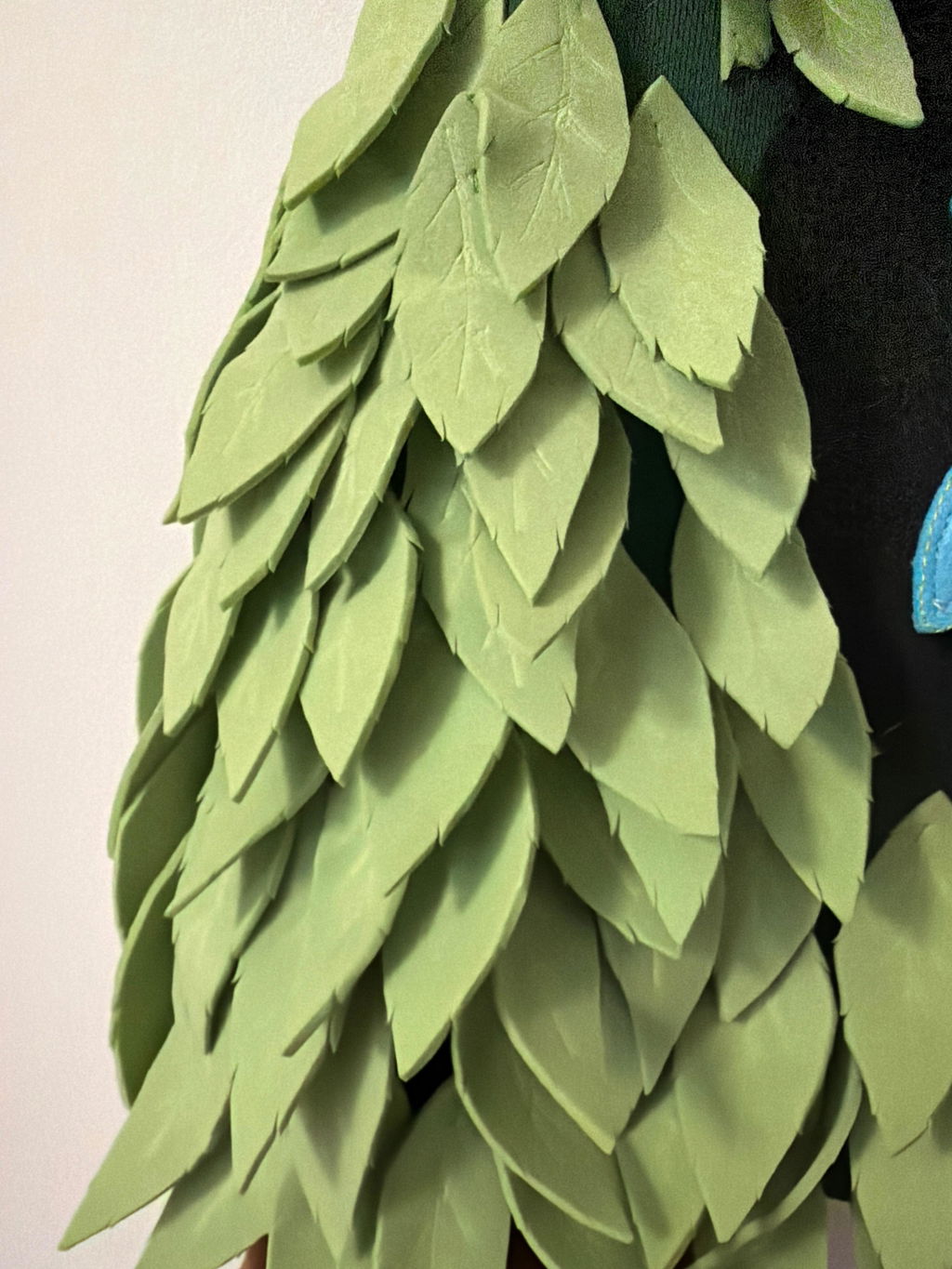
Pianka bardzo dobrej jakości. Użyłam do zrobienia stroju karnawałowego dla dziecka i bardzo dobrze się sprawdziła. Polecam
Profesjonalna obsługa
Kupiłam tą piankę z myślą o zrobieniu własnego kostiumu na Halloween i jestem mega zadowolona. Materiał świetnie się do tego nadaje, łatwo się go przycina i można go formować bez problemu. Do takich kreatywnych projektów sprawdza się naprawdę dobrze. Polecam!
Wszystko w porządku. Nie jest porowata
Wszystko ok
Użyłem do dylatacji .
Pianka w 100% spełnia oczekiwania, idealnie nadała się do mojego projektu!
Zgodny z oczekiwaniami, wszystko ok.
FAQ
What are colored EVA foam sheets best used for in cosplay and LARP?
What are colored EVA foam sheets best used for in cosplay and LARP?
Which EVA foam density should I choose for my project?
Which EVA foam density should I choose for my project?
What is the best way to cut and shape colored EVA foam?
What is the best way to cut and shape colored EVA foam?
How can I effectively glue colored EVA foam pieces together?
How can I effectively glue colored EVA foam pieces together?
Do colored EVA foam sheets require special priming before painting?
Do colored EVA foam sheets require special priming before painting?
How should I store EVA foam sheets to prevent warping?
How should I store EVA foam sheets to prevent warping?
Safety
Featured collection
-
Vendor:MageCraft
Polypropylene webbing - 20 mm/1 m black
Regular price €1,95Unit price / perRegular priceSale price €1,95Sold out -
Vendor:MageCraft
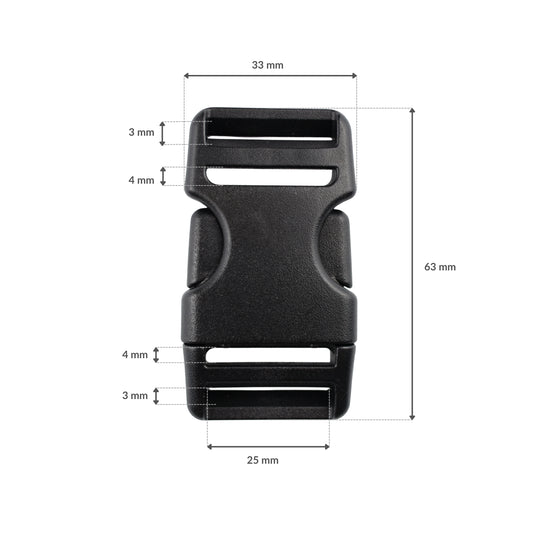
Plastic buckle - 25 mm black 1 pc.
Regular price €0,95Unit price / perRegular priceSale price €0,95 -
Vendor:MageCraft
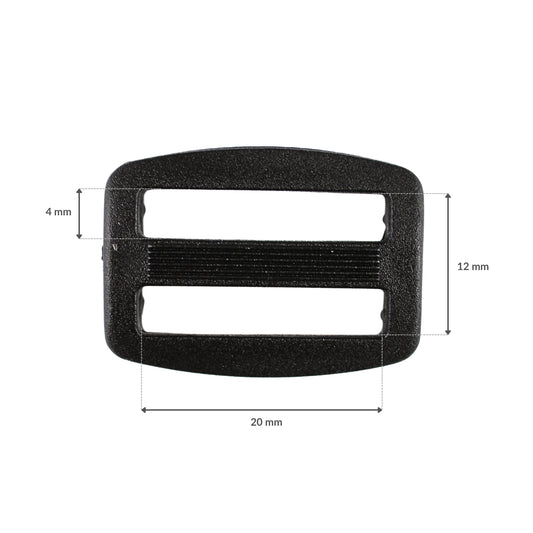
Plastic adjuster - 20/12 mm black 1 pc.
Regular price €0,95Unit price / perRegular priceSale price €0,95 -
Vendor:MageCraft
Cotton Cord - 8 mm/1 m black
Regular price €0,95Unit price / perRegular priceSale price €0,95 -
Vendor:MageCraft
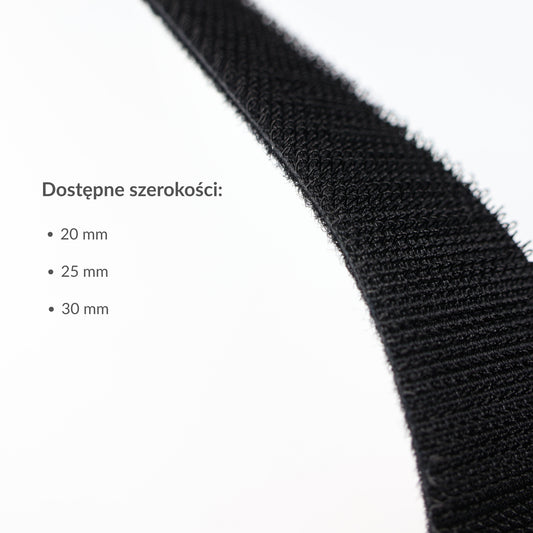
Hook and loop tape - double-sided 25 mm/1 m nylon black
Regular price €1,95Unit price / perRegular priceSale price €1,95Sold out -
Vendor:MageCraft
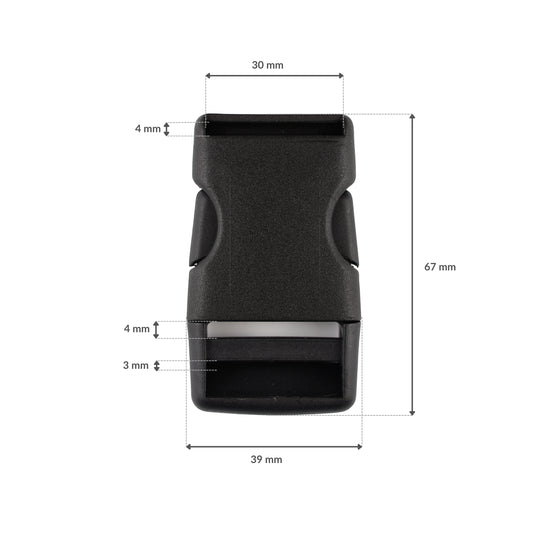
Plastic buckle - 30x67 mm black 1 pc.
Regular price €0,95Unit price / perRegular priceSale price €0,95 -
Vendor:MageCraft
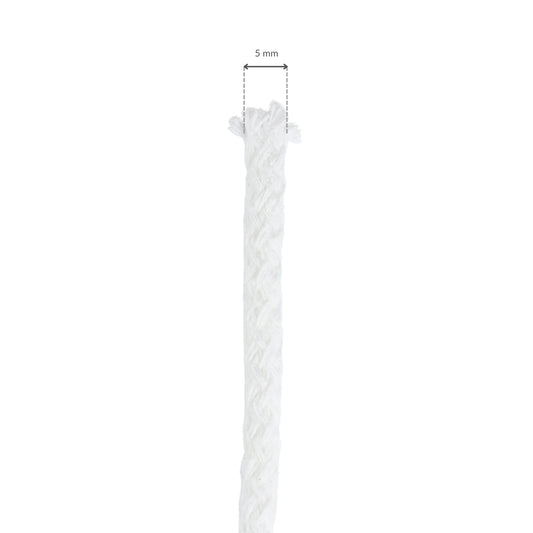
Cord - Cotton 5 mm/1 m white
Regular price €0,95Unit price / perRegular priceSale price €0,95 -
Vendor:MageCraft
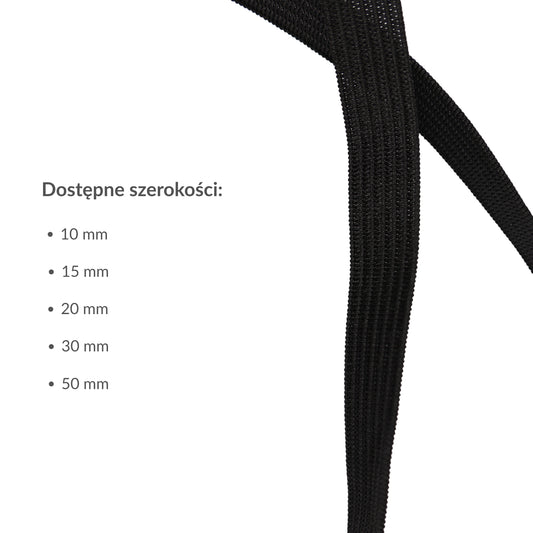
Elastic band - 30 mm/1 m black
Regular price €1,95Unit price / perRegular priceSale price €1,95 -
Vendor:MageCraft
Elastic band - 15 mm/5 m black
Regular price €0,95Unit price / perRegular priceSale price €0,95