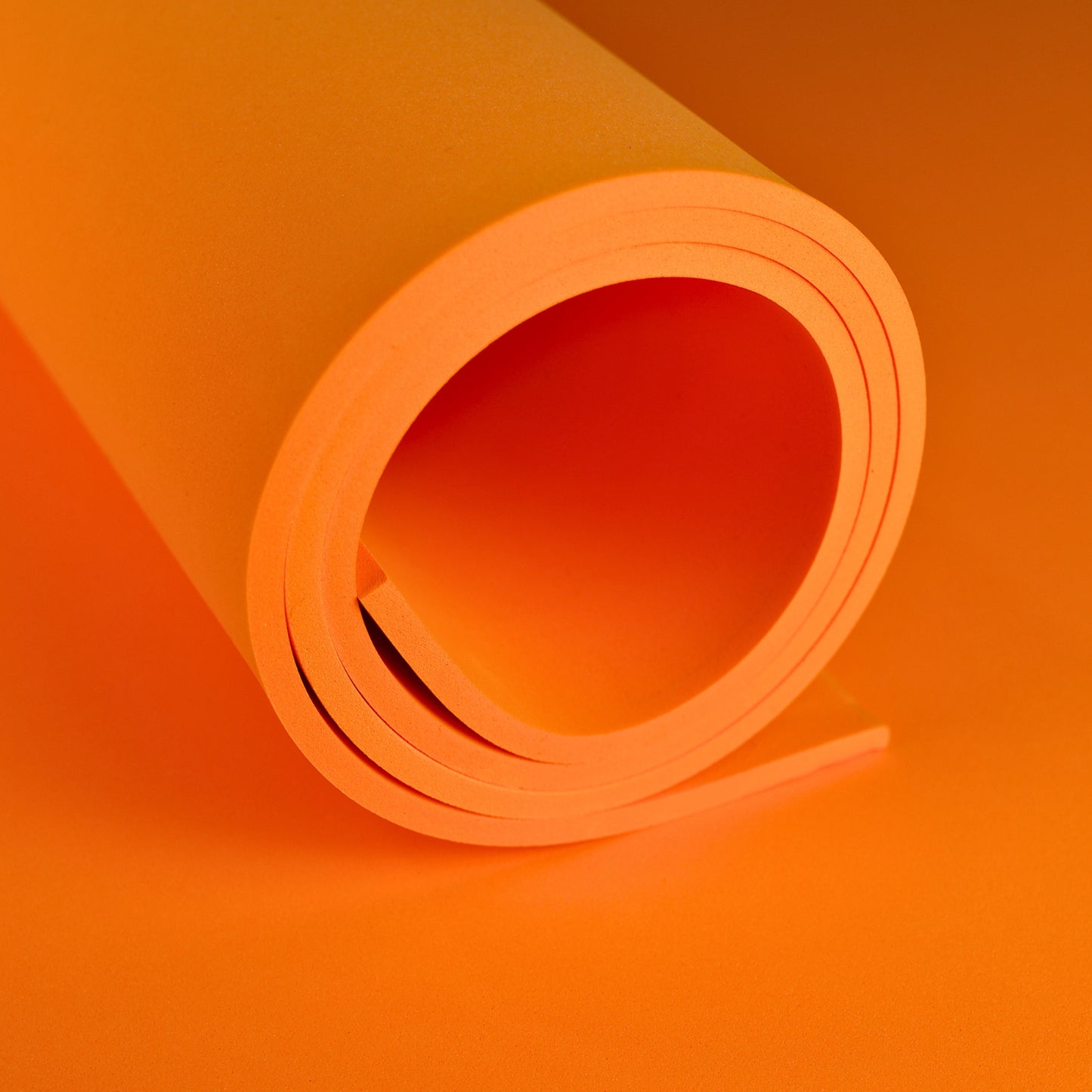
EVA foam 65 kg/m3, 5 mm orange - 50x50 cm
EVA foam 65 kg/m3, 5 mm orange - 50x50 cm


Secure payments
Your payment information is processed securely.


Description
Reliable base for armor and cosplay props
This orange EVA foam with a density of 65 kg/m³ and a thickness of 5 mm serves as a professional foundation for intricate cosplay armor and detailed props. Its balanced density provides excellent structural rigidity while maintaining the flexibility required for comfortable movement and complex shaping. Designed for creators, this material ensures high precision during cutting and clean, smooth edges for every project.
Key features
- Optimized density: With a density of 65 kg/m³, this EVA foam strikes a perfect balance between structural firmness and flexibility. It effectively resists mechanical deformation, ensuring that armor pieces retain their intended shape throughout long events.
- Perfect 5 mm thickness: The 5 mm profile is ideal for crafting mid-sized armor components like bracers, pauldrons, or layered plates. This thickness offers a robust feel while remaining lightweight enough to prevent unnecessary strain on finished costumes.
- Convenient format: Each 50x50 cm sheet allows for efficient template planning with minimal waste. This compact size is easy to handle, transport, and store, fitting perfectly on standard cutting mats for precise work.
- Thermal shaping: The material responds exceptionally well to heat, allowing for seamless thermoforming with a heat gun. Once heated, the EVA foam becomes highly pliable, capturing complex contours before cooling into a rigid, permanent form.
- Vibrant orange color: The uniform, high-visibility orange pigment makes it easy to trace patterns and mark cut lines. This color provides an excellent base for painting and ensures that deep scratches or surface wear remain less noticeable.
Applications
Armor and costume building
The 5 mm sheets serve as the standard material for constructing intermediate-scale armor parts. Due to its density, the foam can be layered to create realistic depth and impressive combat-worn textures, ensuring durability for photoshoots and conventions.
Decorative details and ornaments
Excellent for creating geometry-based designs, embossed runic symbols, or intricate appliques. The smooth surface allows for precise scoring and engraving, which can be further enhanced by heat-treating the foam to open up the cut lines for a deep, professional finish.
Safe LARP weaponry
Thanks to its elasticity and resilient nature, this foam is frequently used as a reliable cushioning layer for LARP equipment. It serves as an ideal protective wrap for the cores of swords, axes, or shields, ensuring safety during intense field combat scenarios.
To achieve the best results, use a dedicated contact adhesive to ensure strong and flexible bonds between layers. After shaping and assembly, prepare your surface for finishing using professional finishing and painting accessories to give your project a professional, long-lasting look.
Specification
| Attribute | Value |
|---|---|
Thickness |
5 mm |
Self-adhesive |
No |
Color |
Orange |
Density |
65 kg/m3 |
Size |
50x50 cm |
SKU: |
MGC-EVAF-0024 |
EAN: |
5904423961052 |
Reviews
Pianka bardzo dobrej jakości. Użyłam do zrobienia stroju karnawałowego dla dziecka i bardzo dobrze się sprawdziła. Polecam
Profesjonalna obsługa
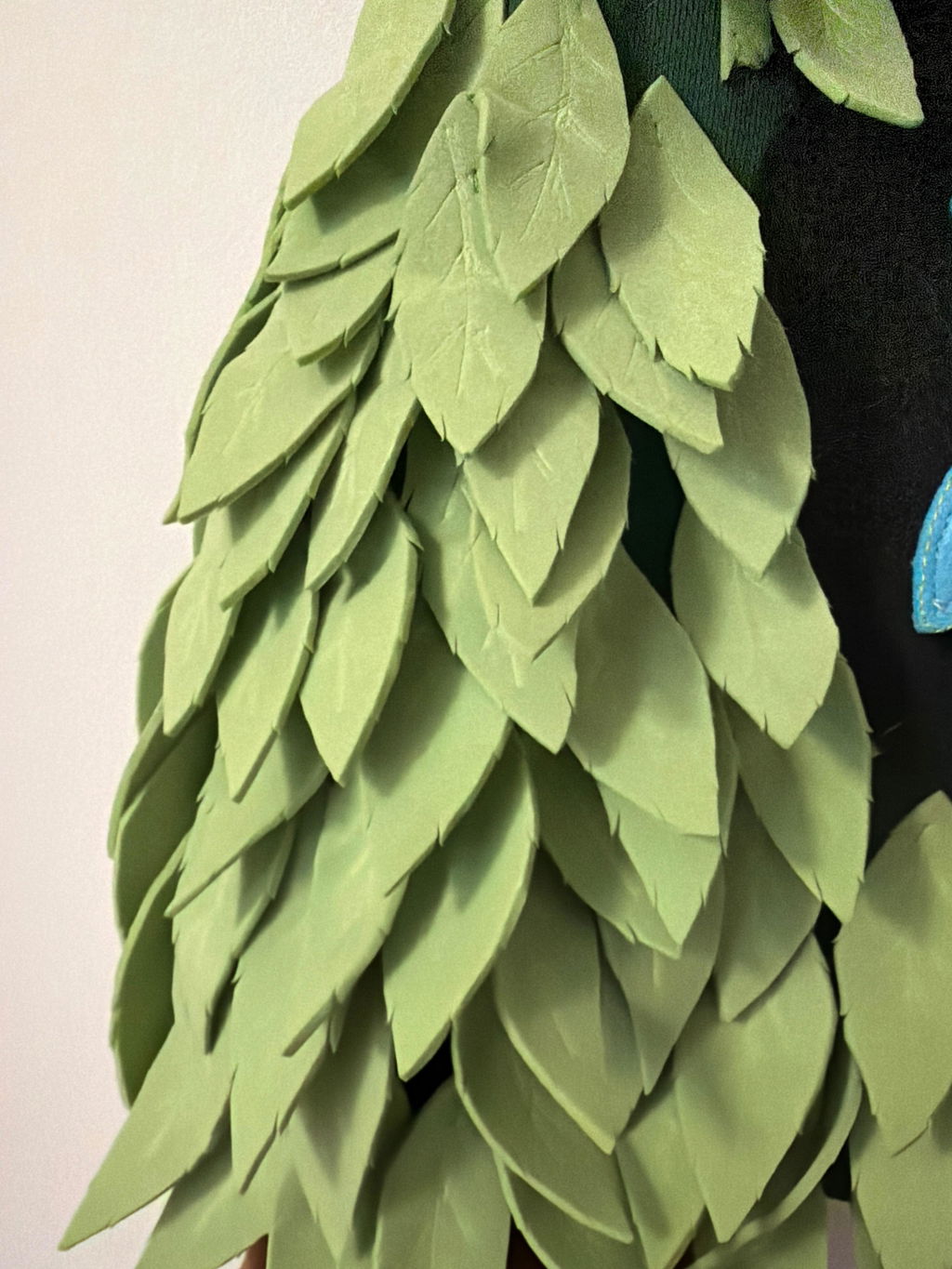
Kupiłam tą piankę z myślą o zrobieniu własnego kostiumu na Halloween i jestem mega zadowolona. Materiał świetnie się do tego nadaje, łatwo się go przycina i można go formować bez problemu. Do takich kreatywnych projektów sprawdza się naprawdę dobrze. Polecam!
Wszystko w porządku. Nie jest porowata
Wszystko ok
Użyłem do dylatacji .
Pianka w 100% spełnia oczekiwania, idealnie nadała się do mojego projektu!
Zgodny z oczekiwaniami, wszystko ok.
FAQ
What are colored EVA foam sheets best used for in cosplay and LARP?
What are colored EVA foam sheets best used for in cosplay and LARP?
Which EVA foam density should I choose for my project?
Which EVA foam density should I choose for my project?
What is the best way to cut and shape colored EVA foam?
What is the best way to cut and shape colored EVA foam?
How can I effectively glue colored EVA foam pieces together?
How can I effectively glue colored EVA foam pieces together?
Do colored EVA foam sheets require special priming before painting?
Do colored EVA foam sheets require special priming before painting?
How should I store EVA foam sheets to prevent warping?
How should I store EVA foam sheets to prevent warping?
Safety
Featured collection
-
Vendor:MageCraft
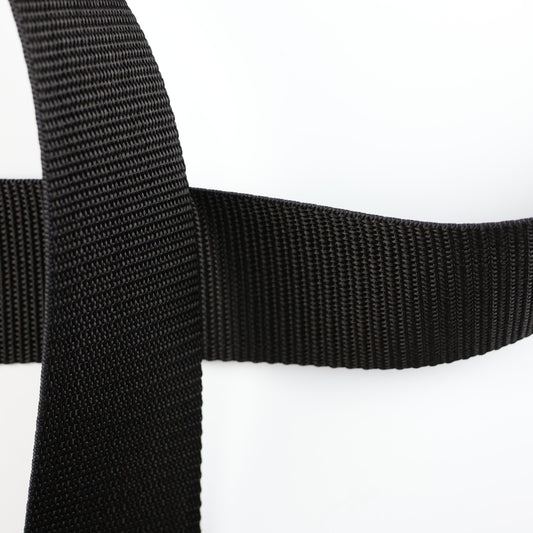
Polypropylene webbing - 20 mm/1 m black
Regular price €1,95Unit price / perRegular priceSale price €1,95Sold out -
Vendor:MageCraft
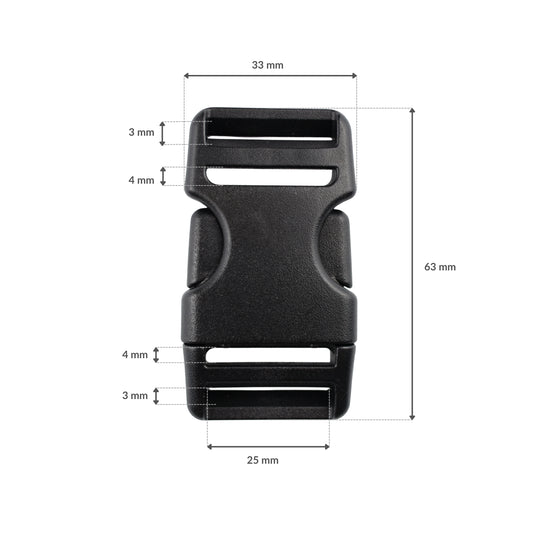
Plastic buckle - 25 mm black 1 pc.
Regular price €0,95Unit price / perRegular priceSale price €0,95 -
Vendor:MageCraft
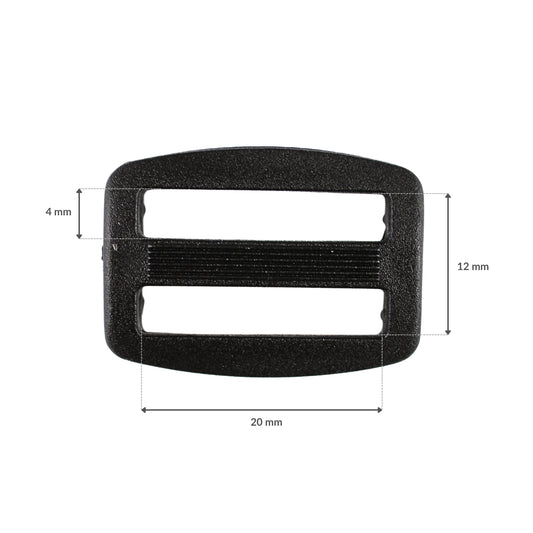
Plastic adjuster - 20/12 mm black 1 pc.
Regular price €0,95Unit price / perRegular priceSale price €0,95 -
Vendor:MageCraft
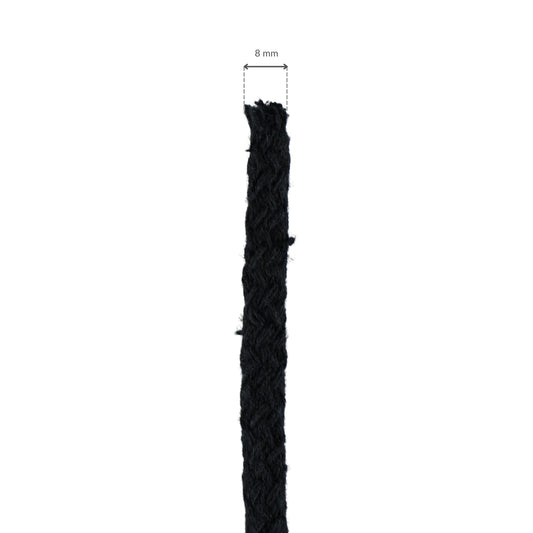
Cotton Cord - 8 mm/1 m black
Regular price €0,95Unit price / perRegular priceSale price €0,95 -
Vendor:MageCraft
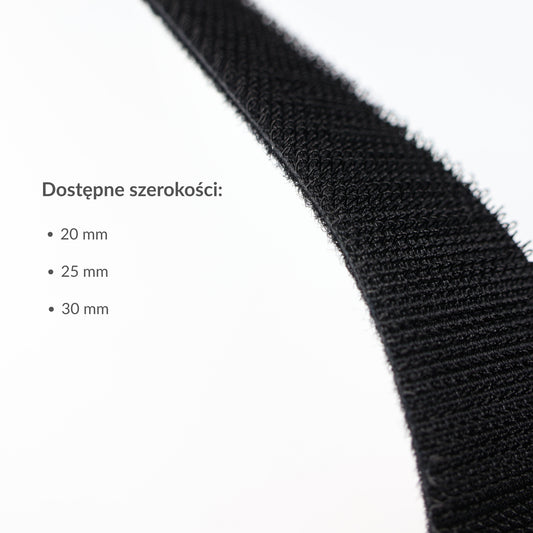
Hook and loop tape - double-sided 25 mm/1 m nylon black
Regular price €1,95Unit price / perRegular priceSale price €1,95Sold out -
Vendor:MageCraft
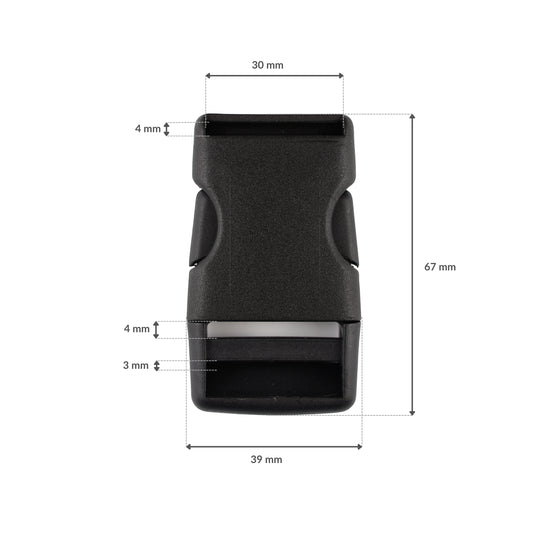
Plastic buckle - 30x67 mm black 1 pc.
Regular price €0,95Unit price / perRegular priceSale price €0,95 -
Vendor:MageCraft
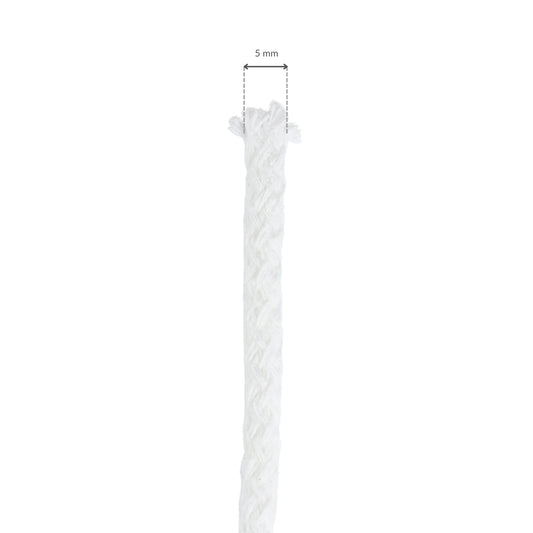
Cord - Cotton 5 mm/1 m white
Regular price €0,95Unit price / perRegular priceSale price €0,95 -
Vendor:MageCraft
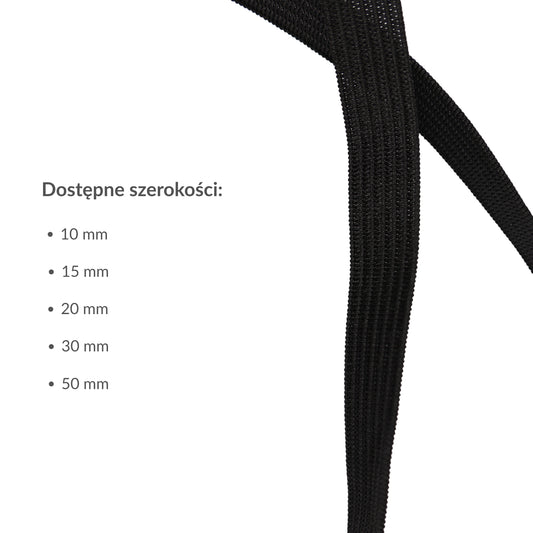
Elastic band - 30 mm/1 m black
Regular price €1,95Unit price / perRegular priceSale price €1,95 -
Vendor:MageCraft
Elastic band - 15 mm/5 m black
Regular price €0,95Unit price / perRegular priceSale price €0,95