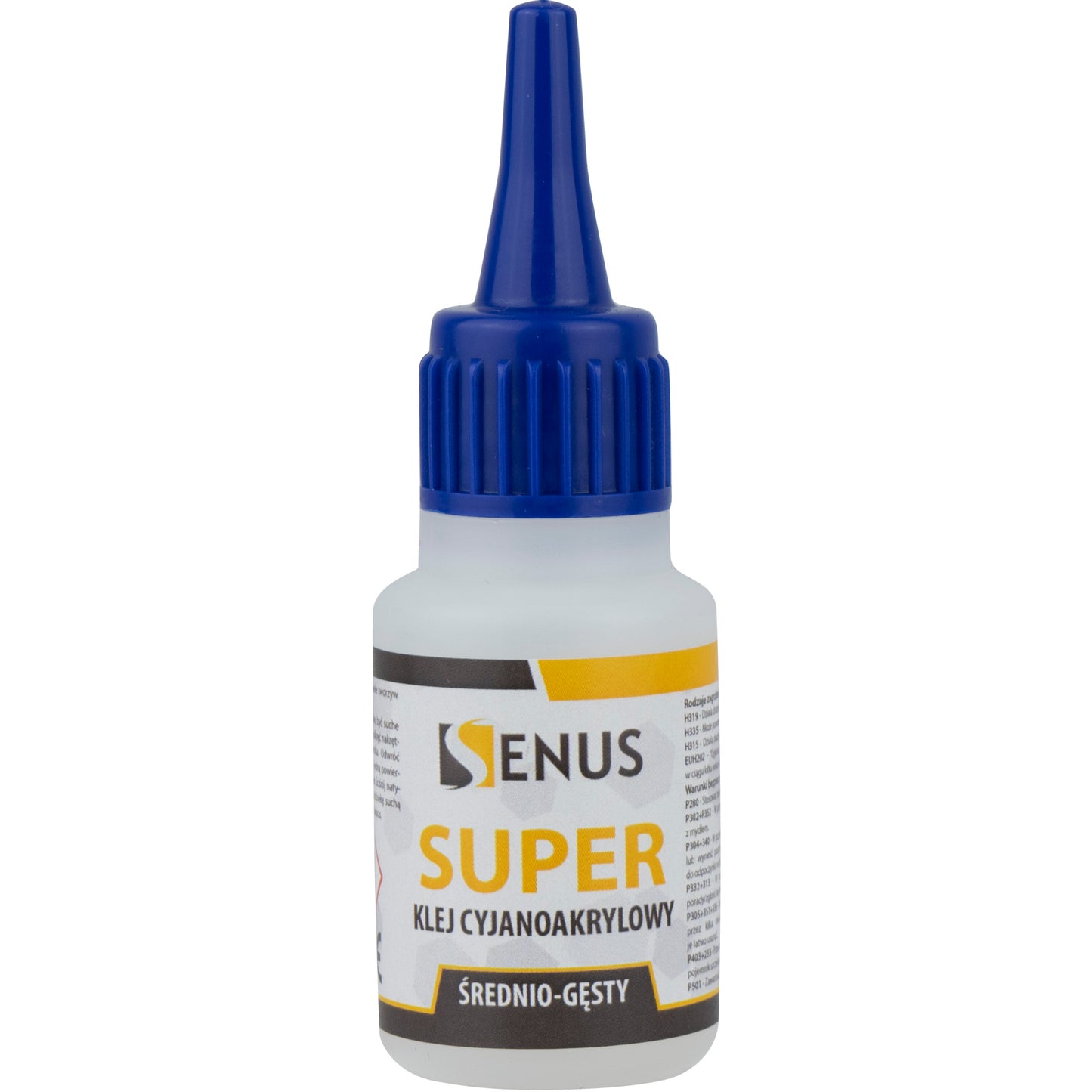
Senus Cyanoacrylate Adhesive - Medium 20 g
Senus Cyanoacrylate Adhesive - Medium 20 g

Secure payments
Your payment information is processed securely.


Description
Fast and precise bonding for professional cosplay projects
Senus medium viscosity cyanoacrylate adhesive is an essential tool for high-demand cosplay prop building and repair. Its specialized formula provides an optimal balance between flow control and rapid bonding, making it the perfect choice for intricate assemblies. Achieve professional-grade results on your cosplay armor with a product designed to withstand the rigors of convention wear and intense crafting sessions.
Key features
- Medium Viscosity: This density provides the ideal consistency for cyanoacrylate glue, ensuring it does not run off surfaces while allowing enough time for precise component alignment before the bond sets.
- Instant Bonding: The chemical formulation ensures the adhesive reaches full strength in just seconds, significantly reducing the need for clamping or extended holding times during complex prop making.
- High Bond Strength: It creates an exceptionally hard and durable seam that remains resistant to stress and tension, which is crucial for structural integrity in heavy-duty cosplay armor.
- Precision 20g Bottle: Designed for efficiency, the ergonomic bottle allows for controlled, drop-by-drop application, preventing waste and ensuring the glue remains fresh for future cosplay projects.
- Broad Compatibility: This adhesive is highly effective at bonding a wide range of materials commonly used in the workshop, including rigid plastics, metals, wood, and high-density EVA foam.
Applications
3D print assembly
When working with PLA, PETG, or ABS, this medium-viscosity adhesive fills microscopic gaps between layers, ensuring seamless joints. It provides a rock-solid bond for sword blades, helmet segments, and armor plates, allowing for immediate post-processing and sanding.
EVA foam detailing
Attaching intricate trims, raised glyphs, or small 3D-printed details to EVA foam bases is clean and efficient with this glue. Unlike thinner variants, it sits on the surface without being absorbed, allowing the user to precisely position delicate pieces.
Emergency prop repairs
During conventions or photo shoots, this glue serves as a reliable solution for quick, high-strength repairs on cracked props or loose attachments. It creates a stable bridge for broken components, helping equipment recover its full functional shape in moments.
For rapid curing in challenging conditions, use this glue alongside the Senus CA activator. To keep your workstation clean and professional, explore our full range of cyanoacrylate adhesives and accessories.
Specification
| Attribute | Value |
|---|---|
Viscosity |
Medium |
Size |
20 g |
EAN: |
5903796660012 |
Reviews
No reviews yet
FAQ
What are cyanoacrylate adhesives used for in cosplay and LARP projects?
What are cyanoacrylate adhesives used for in cosplay and LARP projects?
How should I use a cyanoacrylate activator to improve bonding results?
How should I use a cyanoacrylate activator to improve bonding results?
What is the difference between low and high viscosity cyanoacrylate glues?
What is the difference between low and high viscosity cyanoacrylate glues?
Are cyanoacrylate glues safe for EVA foam?
Are cyanoacrylate glues safe for EVA foam?
How should I store cyanoacrylate glues and activators to maintain their quality?
How should I store cyanoacrylate glues and activators to maintain their quality?
How do I prepare surfaces before using cyanoacrylate glue?
How do I prepare surfaces before using cyanoacrylate glue?
Safety
Featured collection
-
Vendor:MageCraft
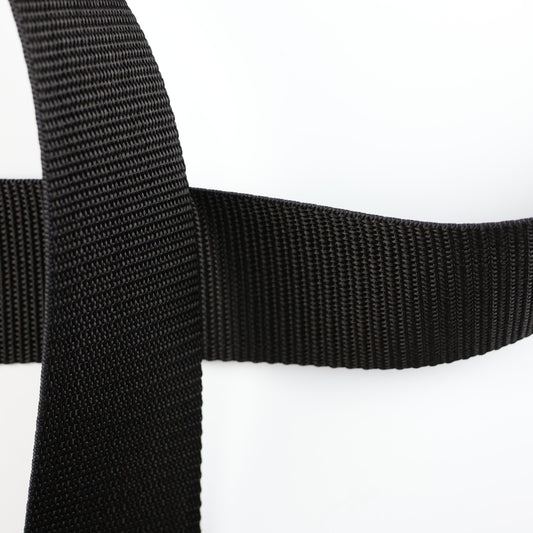
Polypropylene webbing - 20 mm/1 m black
Regular price €1,95Unit price / perRegular priceSale price €1,95Sold out -
Vendor:MageCraft
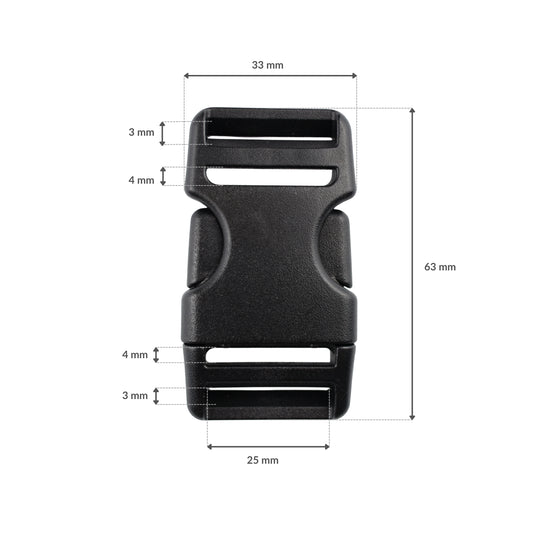
Plastic buckle - 25 mm black 1 pc.
Regular price €0,95Unit price / perRegular priceSale price €0,95 -
Vendor:MageCraft
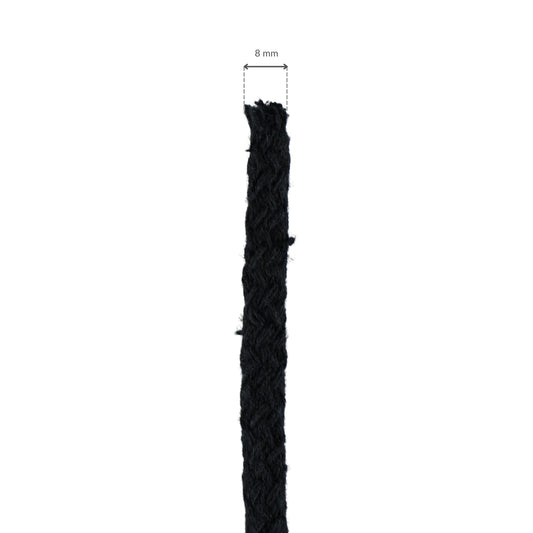
Cotton Cord - 8 mm/1 m black
Regular price €0,95Unit price / perRegular priceSale price €0,95 -
Vendor:MageCraft
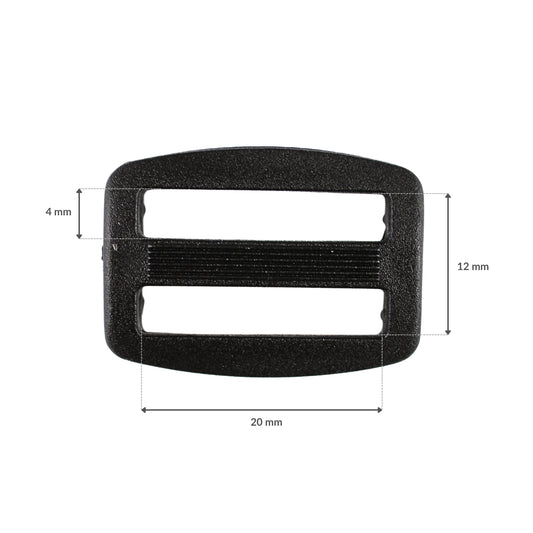
Plastic adjuster - 20/12 mm black 1 pc.
Regular price €0,95Unit price / perRegular priceSale price €0,95 -
Vendor:MageCraft
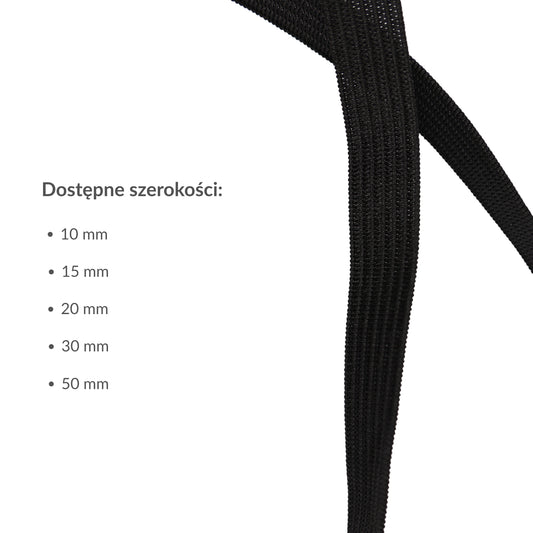
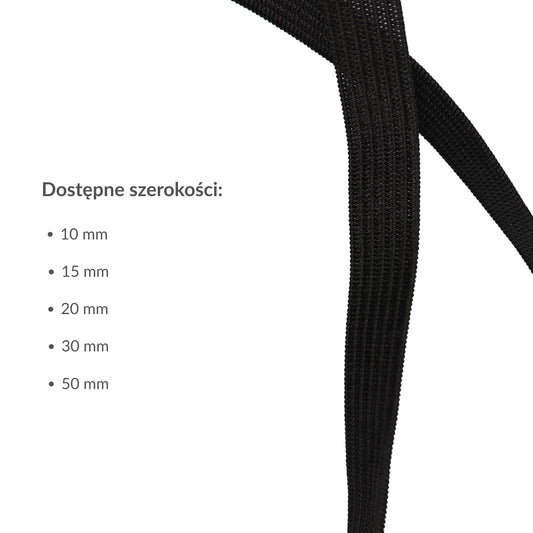
Elastic band - 30 mm/1 m black
Regular price €1,95Unit price / perRegular priceSale price €1,95 -
Vendor:MageCraft
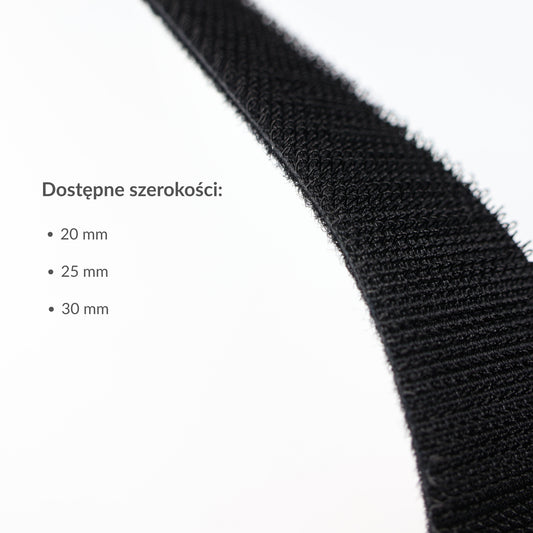
Hook and loop tape - double-sided 25 mm/1 m nylon black
Regular price €1,95Unit price / perRegular priceSale price €1,95Sold out -
Vendor:MageCraft
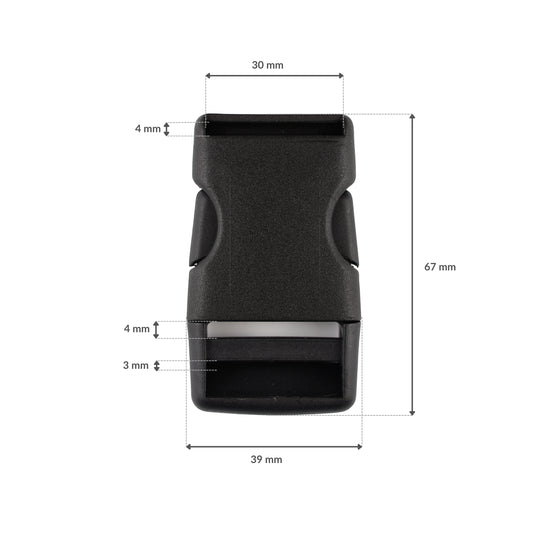
Plastic buckle - 30x67 mm black 1 pc.
Regular price €0,95Unit price / perRegular priceSale price €0,95 -
Vendor:MageCraft
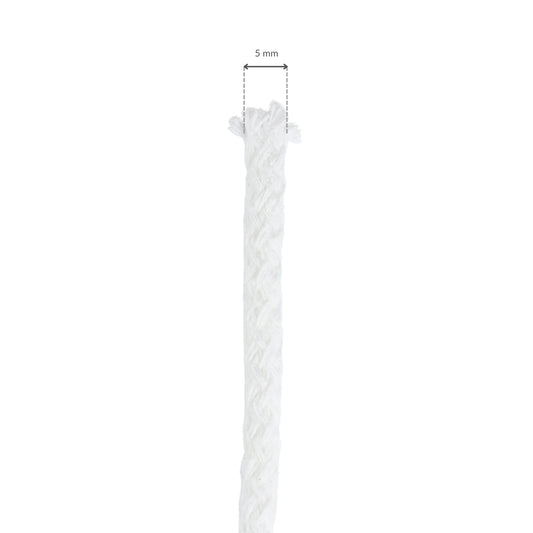
Cord - Cotton 5 mm/1 m white
Regular price €0,95Unit price / perRegular priceSale price €0,95 -
Vendor:MageCraft
Elastic band - 15 mm/5 m black
Regular price €0,95Unit price / perRegular priceSale price €0,95