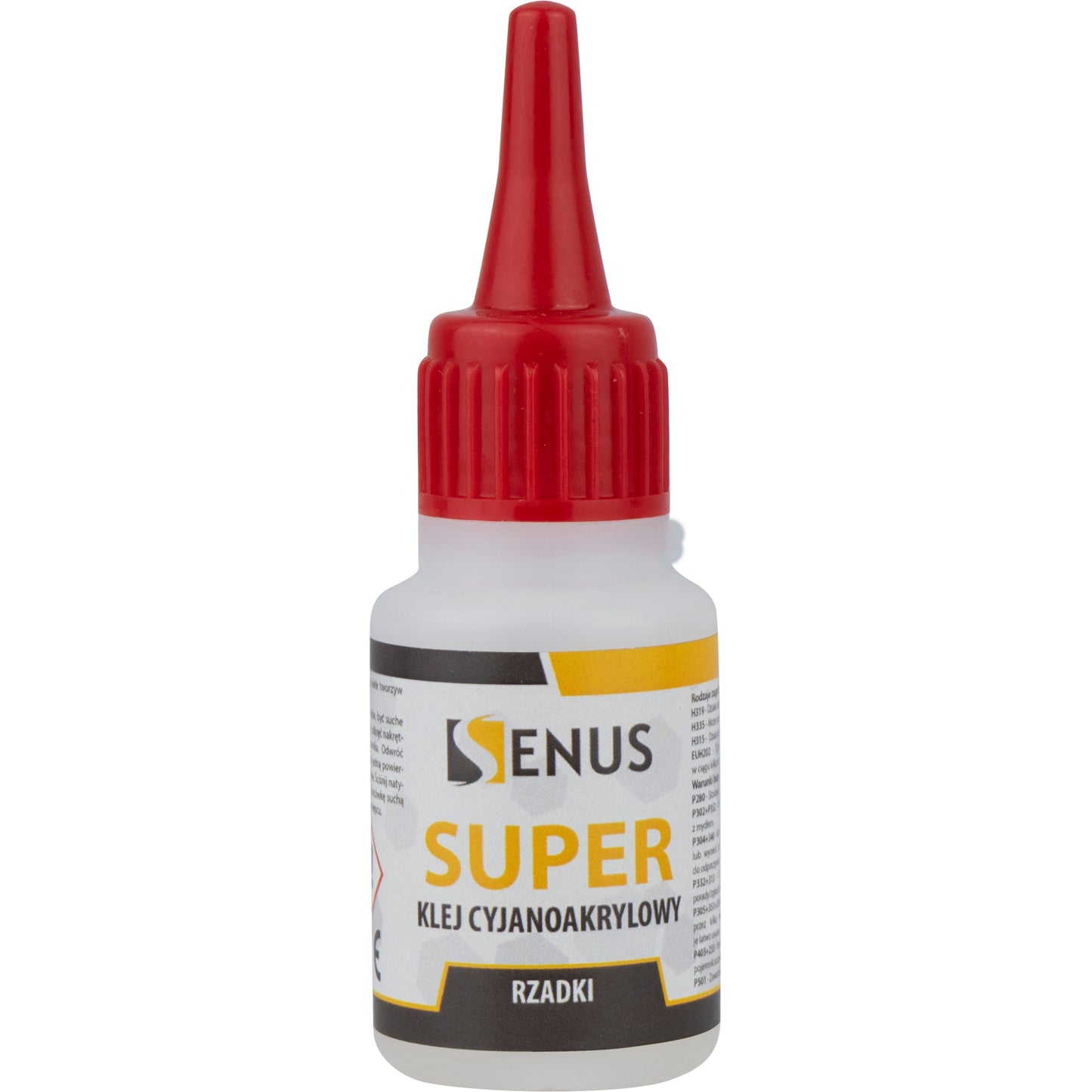
Senus Cyanoacrylate Glue - Thin 20 g
Senus Cyanoacrylate Glue - Thin 20 g

Secure payments
Your payment information is processed securely.


Description
Instant bonding and precision for your cosplay projects
Achieve professional results with the Senus cyanoacrylate glue, an essential component for any prop maker or cosplayer. Thanks to its low viscosity and fast-bonding formula, this adhesive excels at creating nearly invisible, high-strength bonds on various materials. It is the perfect choice for demanding assemblies where cleanliness and speed of execution are critical.
Key features
- Low viscosity: The thin, liquid consistency ensures excellent capillary action, allowing the adhesive to penetrate even the narrowest gaps and joints effortlessly. It is ideal for pre-assembled parts where direct application is required.
- Instant bonding: Experience rapid polymerization that achieves full structural strength in just a few seconds. This allows for continuous progress on complex cosplay props without unnecessary downtime.
- High efficiency: A single drop provides a long-lasting and reliable bond, making the 20g bottle a highly efficient choice for numerous precise assembly tasks.
- Material versatility: This adhesive demonstrates superior performance when joining a wide range of surfaces, including plastics, rubber, wood, ceramics, and metals, ensuring a stable connection in diverse projects.
- Precise applicator: Equipped with a specialized tip, the bottle allows for accurate, controlled dosing, minimizing the risk of spills or unwanted residues on the surface of your finished work.
Applications
3D print assembly
The thin formula is perfect for joining segments of 3D prints made from PLA, ABS, or PETG. It creates an extremely narrow seam, preventing visible gaps and reducing the amount of sanding required for armor or weapon components.
Attaching fine details
When creating intricate decorations or mounting small plastic and metal components onto larger structures, this liquid adhesive guarantees an immediate grip. It ensures the stability of tiny decorative elements without the risk of shifting during the drying process.
Crack stabilization
This glue acts as a deep-penetrating agent for repairing hairline cracks and minor damage in existing props. By wicking into the material structure, it permanently reinforces the surface and prevents further degradation during intense use.
For even faster results in challenging conditions, consider using the Senus activator for cyanoacrylate glues. We also invite you to explore our full selection of cyanoacrylate glues and accessories to find the perfect viscosity for your next build.
Specification
| Attribute | Value |
|---|---|
Viscosity |
Low |
Size |
20 g |
EAN: |
5903796660005 |
Reviews
No reviews yet
FAQ
What are cyanoacrylate adhesives used for in cosplay and LARP projects?
What are cyanoacrylate adhesives used for in cosplay and LARP projects?
How should I use a cyanoacrylate activator to improve bonding results?
How should I use a cyanoacrylate activator to improve bonding results?
What is the difference between low and high viscosity cyanoacrylate glues?
What is the difference between low and high viscosity cyanoacrylate glues?
Are cyanoacrylate glues safe for EVA foam?
Are cyanoacrylate glues safe for EVA foam?
How should I store cyanoacrylate glues and activators to maintain their quality?
How should I store cyanoacrylate glues and activators to maintain their quality?
How do I prepare surfaces before using cyanoacrylate glue?
How do I prepare surfaces before using cyanoacrylate glue?
Safety
Featured collection
-
Vendor:MageCraft
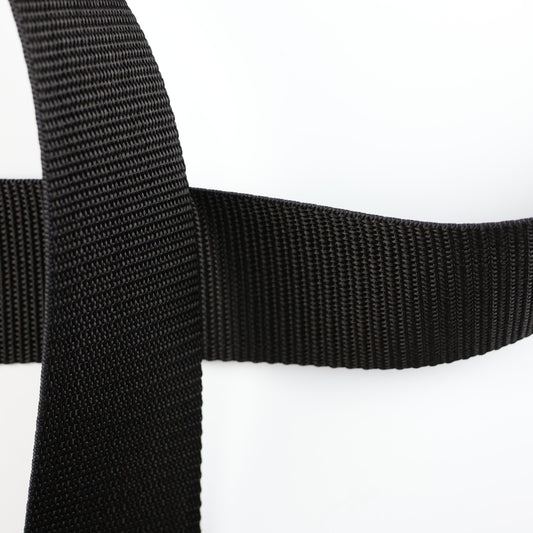
Polypropylene webbing - 20 mm/1 m black
Regular price €1,95Unit price / perRegular priceSale price €1,95Sold out -
Vendor:MageCraft
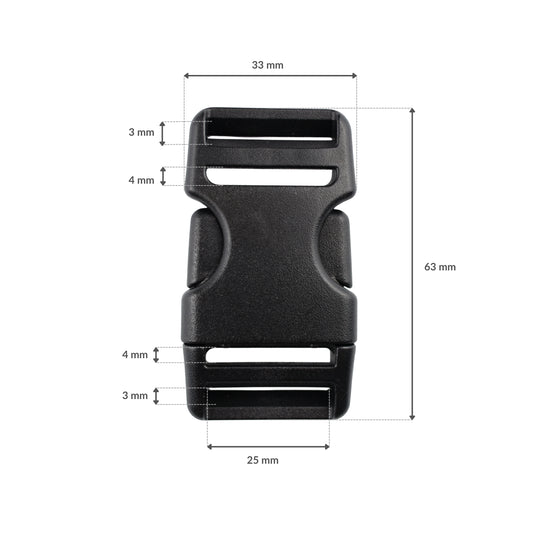
Plastic buckle - 25 mm black 1 pc.
Regular price €0,95Unit price / perRegular priceSale price €0,95 -
Vendor:MageCraft
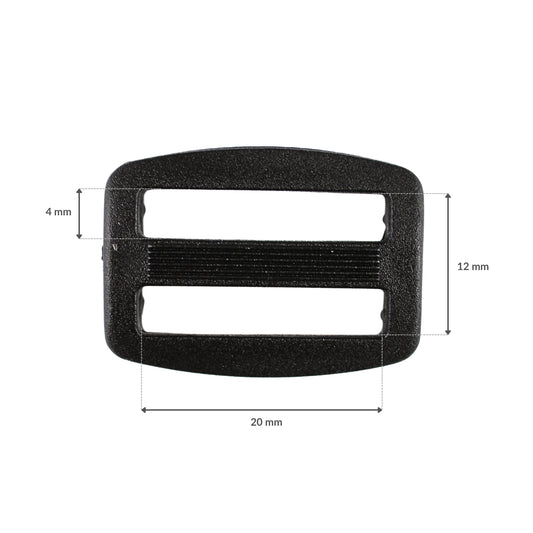
Plastic adjuster - 20/12 mm black 1 pc.
Regular price €0,95Unit price / perRegular priceSale price €0,95 -
Vendor:MageCraft
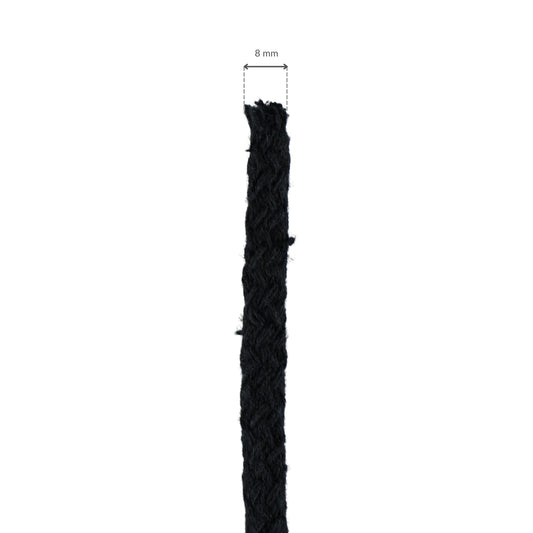
Cotton Cord - 8 mm/1 m black
Regular price €0,95Unit price / perRegular priceSale price €0,95 -
Vendor:MageCraft
Hook and loop tape - double-sided 25 mm/1 m nylon black
Regular price €1,95Unit price / perRegular priceSale price €1,95Sold out -
Vendor:MageCraft
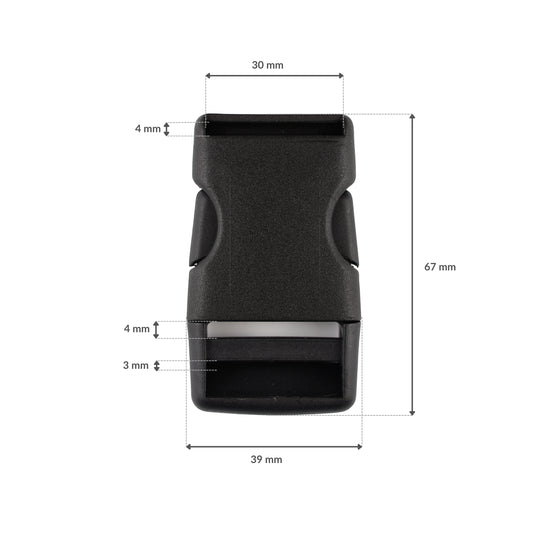
Plastic buckle - 30x67 mm black 1 pc.
Regular price €0,95Unit price / perRegular priceSale price €0,95 -
Vendor:MageCraft
Cord - Cotton 5 mm/1 m white
Regular price €0,95Unit price / perRegular priceSale price €0,95 -
Vendor:MageCraft
Elastic band - 30 mm/1 m black
Regular price €1,95Unit price / perRegular priceSale price €1,95 -
Vendor:MageCraft
Elastic band - 15 mm/5 m black
Regular price €0,95Unit price / perRegular priceSale price €0,95