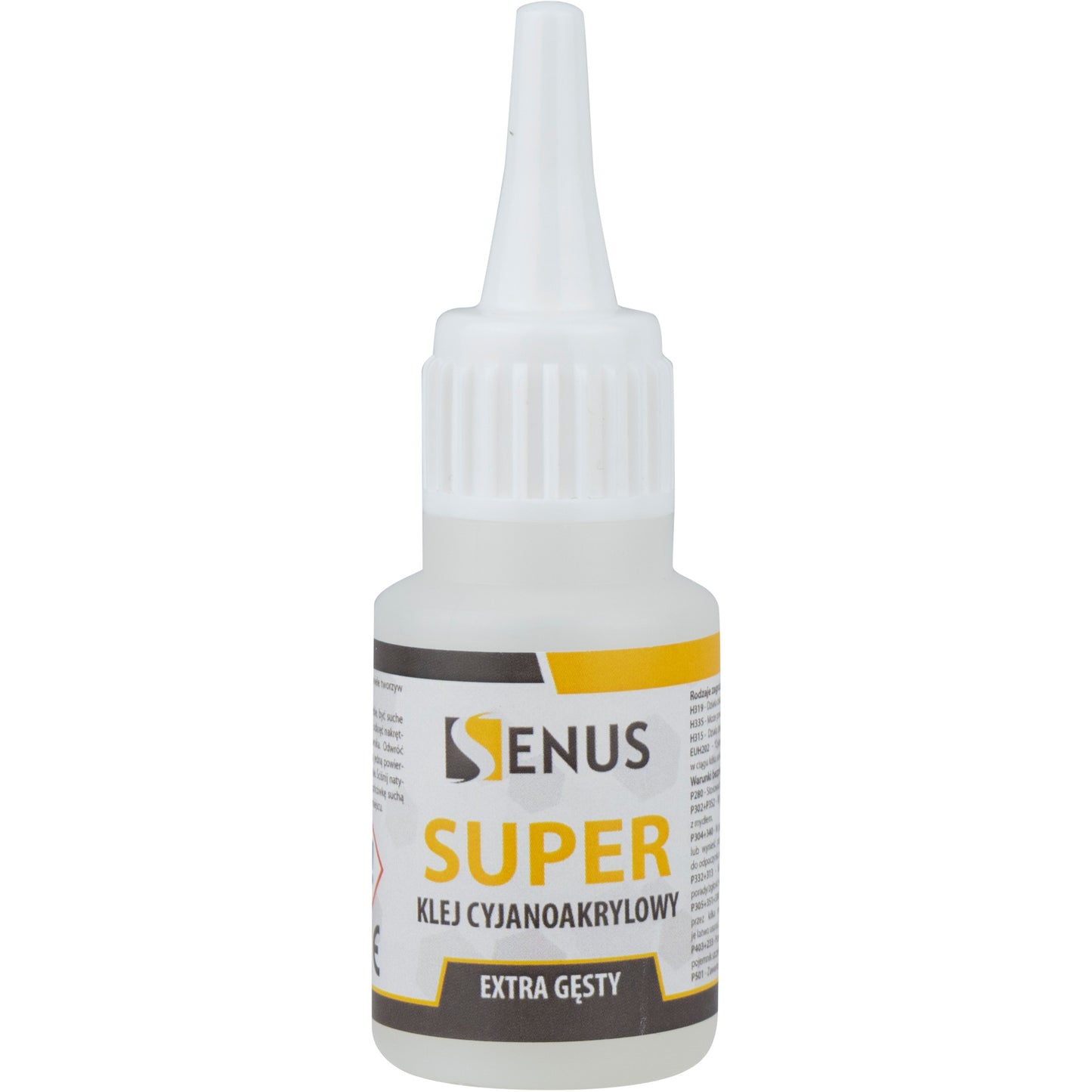
Senus Cyanoacrylate Glue - Extra Thick 20 g
Senus Cyanoacrylate Glue - Extra Thick 20 g

Secure payments
Your payment information is processed securely.


Description
Professional bonding for complex cosplay props
The Senus extra-thick cyanoacrylate adhesive is an essential tool for every creator working on armor, props, and detailed models. This high-viscosity glue provides excellent control, ensuring that it remains exactly where it is applied without running. It is the perfect choice for demanding assembly tasks where precision and structural integrity are non-negotiable for professional-grade cosplay projects.
Key features
- Extra-thick consistency: The high-viscosity formula prevents the adhesive from dripping, making it ideal for working on vertical surfaces or overhead. This allows for clean, mess-free application without wasting product.
- Controlled bonding time: Unlike thinner variants, this glue offers a slightly longer set time, providing the necessary seconds to adjust and perfectly align parts before the final bond is reached.
- Gap-filling capability: The dense structure effectively bridges minor gaps and surface irregularities between parts, ensuring a seamless and durable bond even on uneven edges.
- Versatile adhesion: This adhesive creates exceptionally strong bonds with a wide variety of materials, including plastics, rubber, wood, metal, leather, and porous foam, making it a universal workshop solution.
- Optimal 20g format: The convenient bottle features a precise applicator that allows for controlled dosing, minimizing waste and ensuring the glue remains effective for multiple crafting sessions.
Applications
Bonding on vertical surfaces
The specialized density of this adhesive makes it perfect for attaching decorative elements to armor or shields. It holds firmly without sagging under gravity, allowing for precise work on complex, three-dimensional objects.
Working with porous materials
Unlike low-viscosity glues that are absorbed deep into fibers, this thick formula stays on the surface of porous materials. It provides a reliable, strong bond for EVA foam, cardboard, or raw leather components.
Filling and masking gaps
This product excels as a fast-setting filler for tiny seams on 3D printed parts or hand-cut foam patterns. Once cured, the bond becomes rigid and can be sanded or filed for a smooth finish.
For even faster results, you can pair this adhesive with an accelerator for cyanoacrylate glues to achieve instant curing. If you need to make adjustments or clean up, a specialized debonder is a must-have in your tool kit.
Specification
| Attribute | Value |
|---|---|
Viscosity |
Extra thick |
Size |
20 g |
EAN: |
5903796660036 |
Reviews
No reviews yet
FAQ
What are cyanoacrylate adhesives used for in cosplay and LARP projects?
What are cyanoacrylate adhesives used for in cosplay and LARP projects?
How should I use a cyanoacrylate activator to improve bonding results?
How should I use a cyanoacrylate activator to improve bonding results?
What is the difference between low and high viscosity cyanoacrylate glues?
What is the difference between low and high viscosity cyanoacrylate glues?
Are cyanoacrylate glues safe for EVA foam?
Are cyanoacrylate glues safe for EVA foam?
How should I store cyanoacrylate glues and activators to maintain their quality?
How should I store cyanoacrylate glues and activators to maintain their quality?
How do I prepare surfaces before using cyanoacrylate glue?
How do I prepare surfaces before using cyanoacrylate glue?
Safety
Featured collection
-
Vendor:MageCraft
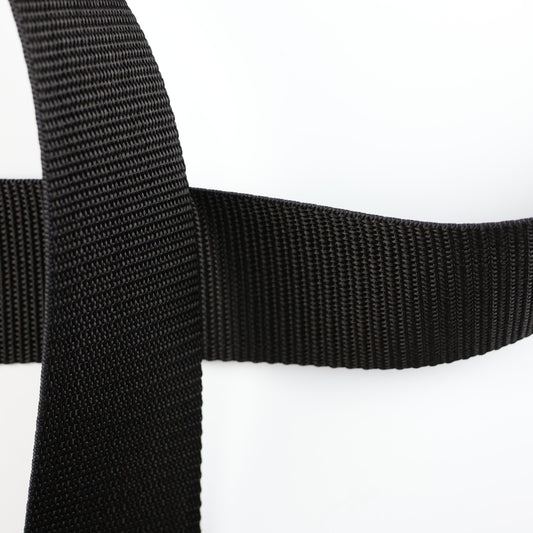
Polypropylene webbing - 20 mm/1 m black
Regular price €1,95Unit price / perRegular priceSale price €1,95Sold out -
Vendor:MageCraft
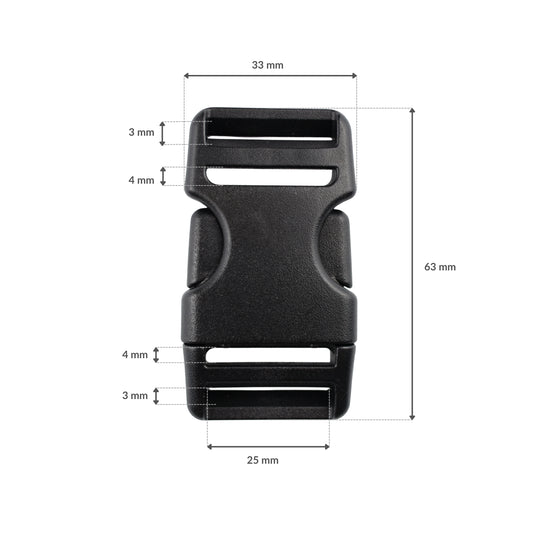
Plastic buckle - 25 mm black 1 pc.
Regular price €0,95Unit price / perRegular priceSale price €0,95 -
Vendor:MageCraft
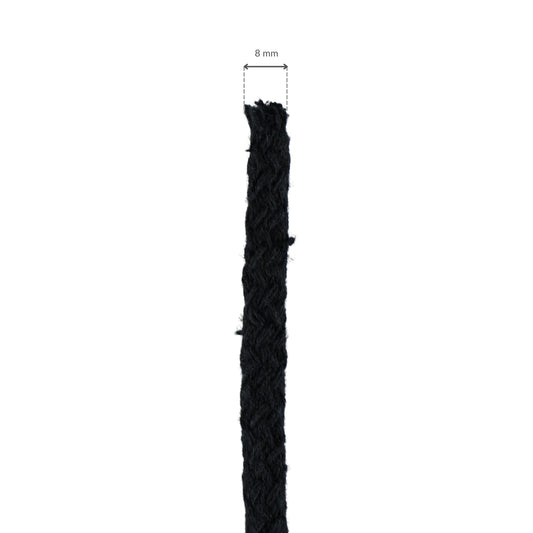
Cotton Cord - 8 mm/1 m black
Regular price €0,95Unit price / perRegular priceSale price €0,95 -
Vendor:MageCraft
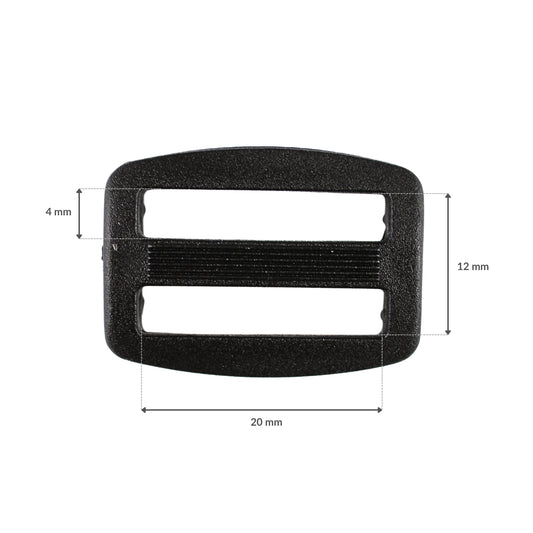
Plastic adjuster - 20/12 mm black 1 pc.
Regular price €0,95Unit price / perRegular priceSale price €0,95 -
Vendor:MageCraft
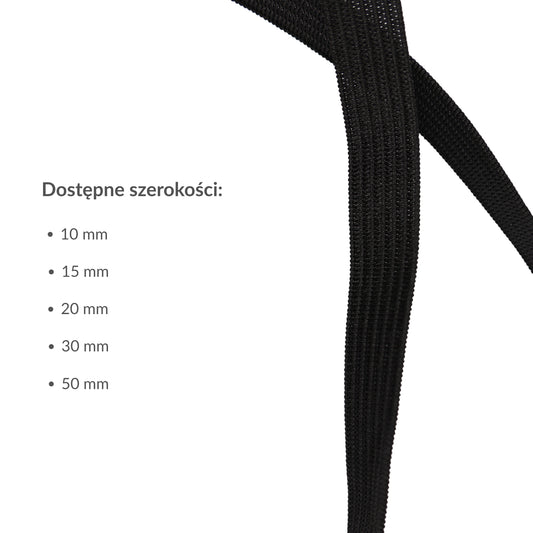
Elastic band - 30 mm/1 m black
Regular price €1,95Unit price / perRegular priceSale price €1,95 -
Vendor:MageCraft
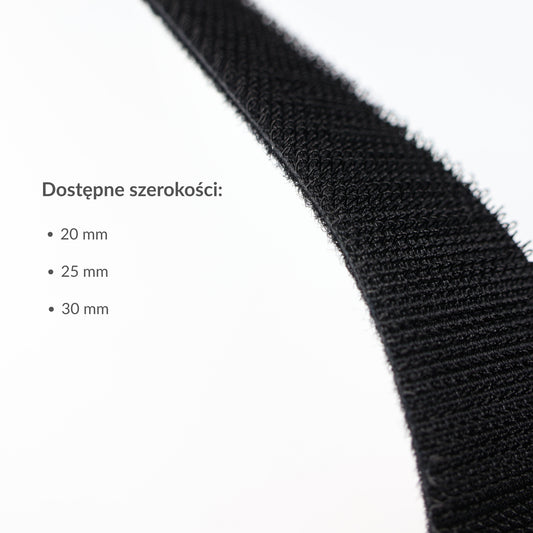
Hook and loop tape - double-sided 25 mm/1 m nylon black
Regular price €1,95Unit price / perRegular priceSale price €1,95Sold out -
Vendor:MageCraft
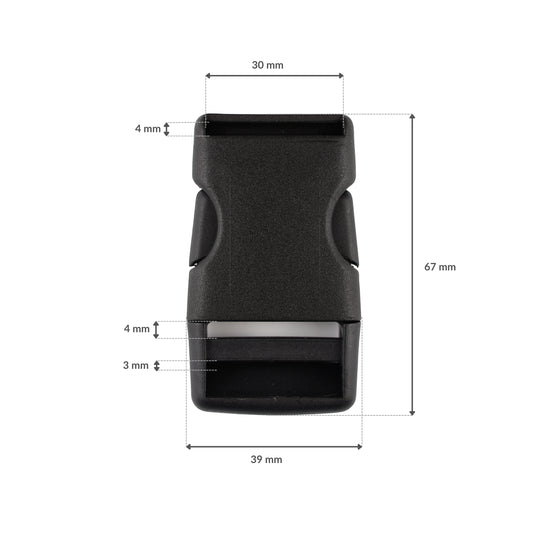
Plastic buckle - 30x67 mm black 1 pc.
Regular price €0,95Unit price / perRegular priceSale price €0,95 -
Vendor:MageCraft
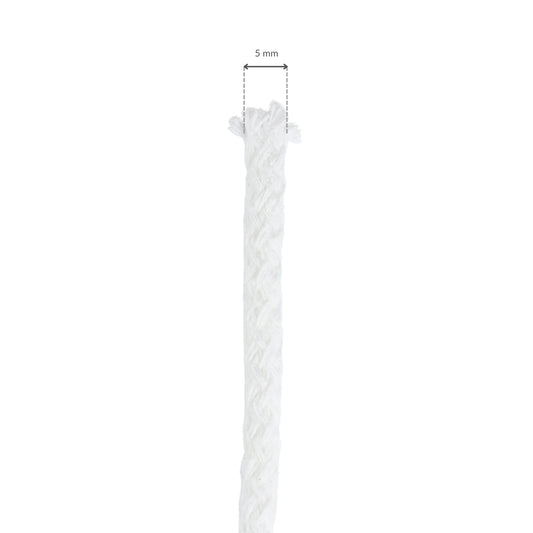
Cord - Cotton 5 mm/1 m white
Regular price €0,95Unit price / perRegular priceSale price €0,95 -
Vendor:MageCraft
Elastic band - 15 mm/5 m black
Regular price €0,95Unit price / perRegular priceSale price €0,95