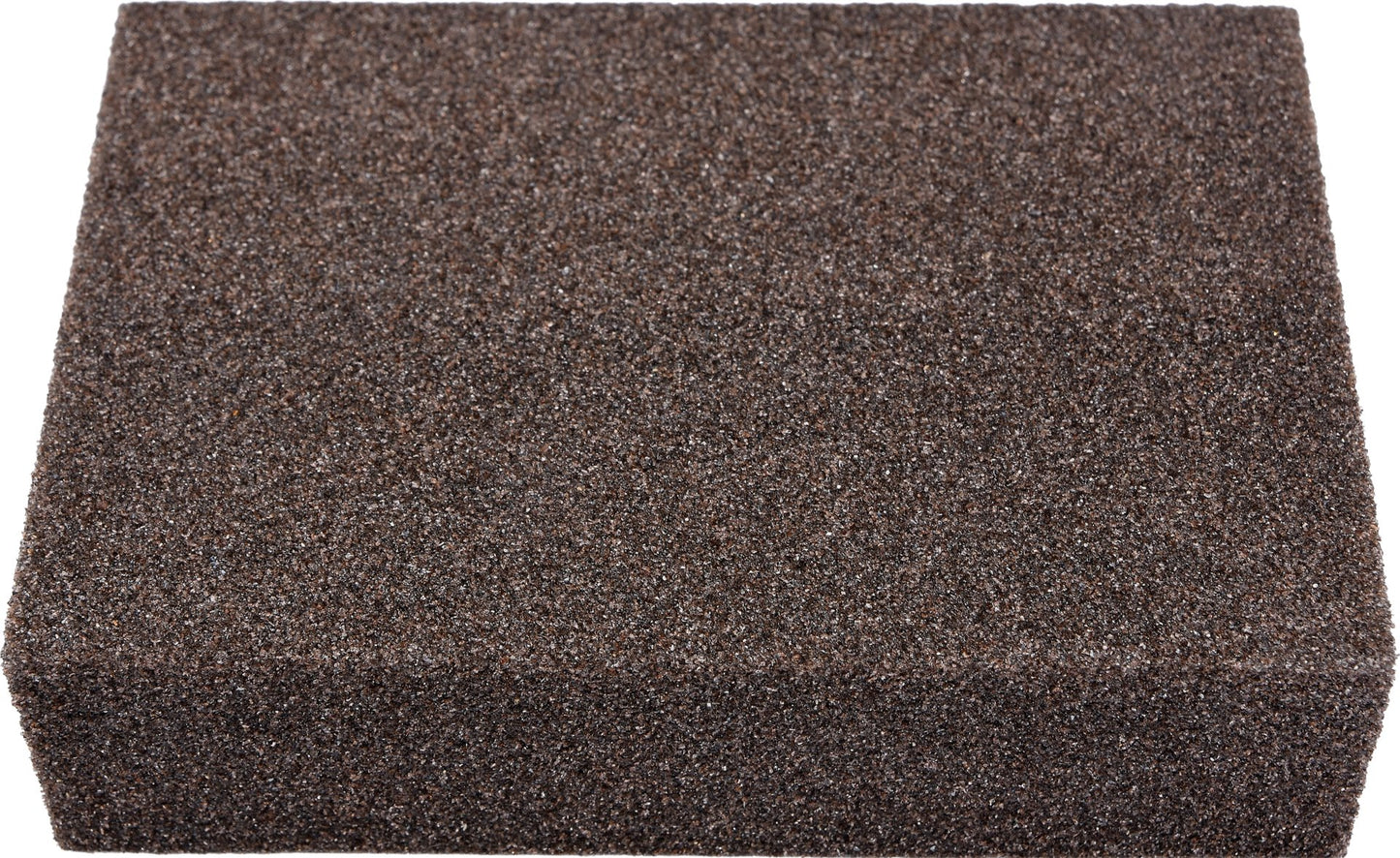
Vorel Abrasive Sanding Block - P120 68x100x25 mm
Vorel Abrasive Sanding Block - P120 68x100x25 mm

Secure payments
Your payment information is processed securely.


Opis
Achieve Professional Finishes with Vorel Abrasive Sponge P120
The Vorel Abrasive Sponge P120, measuring 68x100x25 mm, is an indispensable tool for every cosplayer and prop maker. This medium-grit sanding block provides exceptional control when smoothing out EVA foam, fillers, and various modeling materials. It is the perfect solution for achieving a uniform surface texture before applying primers or paint to your cosplay projects.
Key Features
- P120 Grit: The medium-grit abrasive surface is ideal for smoothing out cut lines and leveling uneven areas on EVA foam. It provides an optimal balance between material removal and a smooth surface finish.
- Foam Core: Featuring a flexible 25 mm thick sponge core, this block amortizes pressure effectively. It perfectly adapts to curved surfaces and intricate details, minimizing the risk of over-sanding delicate parts.
- Ergonomic Design: The 68x100 mm dimensions offer a secure and comfortable grip during manual sanding sessions. This ergonomic shape ensures better control and reduces fatigue during long hours of fabrication.
- Four-Sided Abrasive: Coated on all four sides, this sanding block offers increased durability and versatility. The shape allows for easy access to tight corners, crevices, and hard-to-reach areas of your props.
- High Versatility: The block performs excellently for both dry and wet sanding applications. It works well on plastics, resins, and various foams, ensuring stable grit retention and resistance to clogging.
Applications
EVA Foam Finishing
When constructing armor and weapon props, hot-formed EVA foam often requires edge leveling and the removal of cutting marks. The P120 block efficiently smooths glued seams, preparing edges for subsequent coating layers and professional-grade finishes.
3D Print Smoothing
Elements printed in materials like PLA, ABS, or PETG often exhibit visible layer lines that require surface correction. The sanding block allows for the effective reduction of these imperfections before applying spray putty or primer, protecting fine geometric details.
Filler and Primer Sanding
Achieving a perfectly flat surface is crucial before final painting. This block is ideal for leveling layers of acrylic putty, removing drips, and smoothing minor indentations, ensuring a uniform base for decorative paint jobs.
For optimal results, ensure your project surface is thoroughly dusted before painting. Explore our wide range of abrasives and professional tools to elevate the quality of your manual craftsmanship.
Opinie
FAQ
How do I choose the right grit for working on armor?
How do I choose the right grit for working on armor?
What is the difference between using a sanding block and regular sandpaper?
What is the difference between using a sanding block and regular sandpaper?
Are abrasives suitable for sanding EVA foam?
Are abrasives suitable for sanding EVA foam?
How do I clean and extend the life of sandpaper and sanding blocks?
How do I clean and extend the life of sandpaper and sanding blocks?
Can abrasive materials be used for both dry and wet sanding?
Can abrasive materials be used for both dry and wet sanding?
What should I keep in mind when sanding putty or fillers?
What should I keep in mind when sanding putty or fillers?
Bezpieczeństwo
Polecana kolekcja
-
Vendor:MageCraft
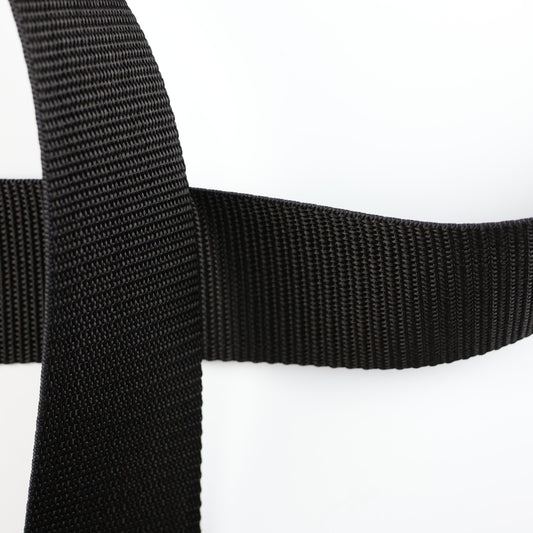
Polypropylene webbing - 20 mm/1 m black
Regular price €1,95Unit price / perRegular priceSale price €1,95Sold out -
Vendor:MageCraft
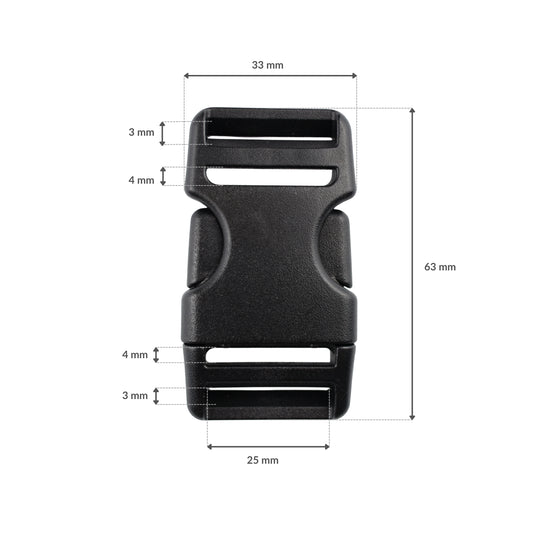
Plastic buckle - 25 mm black 1 pc.
Regular price €0,95Unit price / perRegular priceSale price €0,95 -
Vendor:MageCraft
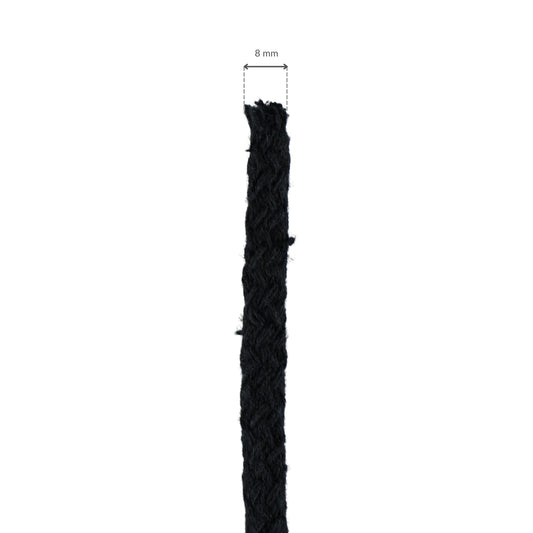
Cotton Cord - 8 mm/1 m black
Regular price €0,95Unit price / perRegular priceSale price €0,95 -
Vendor:MageCraft
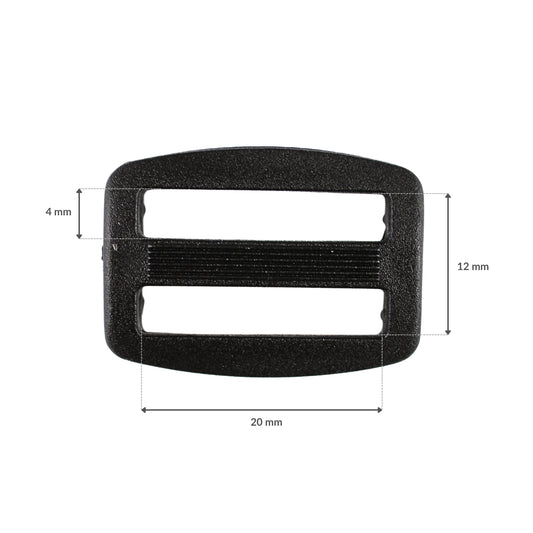
Plastic adjuster - 20/12 mm black 1 pc.
Regular price €0,95Unit price / perRegular priceSale price €0,95 -
Vendor:MageCraft
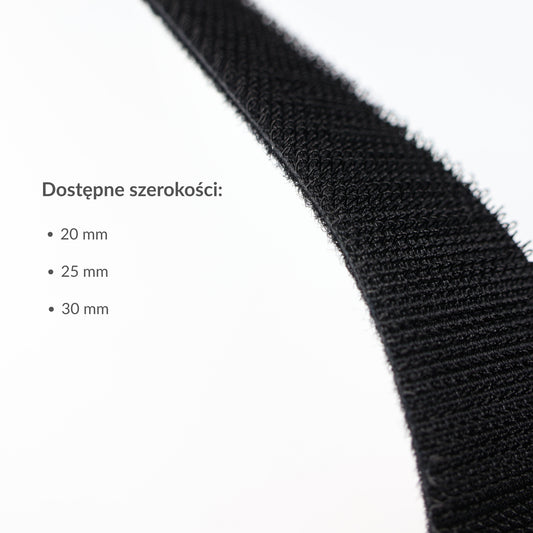
Hook and loop tape - double-sided 25 mm/1 m nylon black
Regular price €1,95Unit price / perRegular priceSale price €1,95 -
Vendor:MageCraft
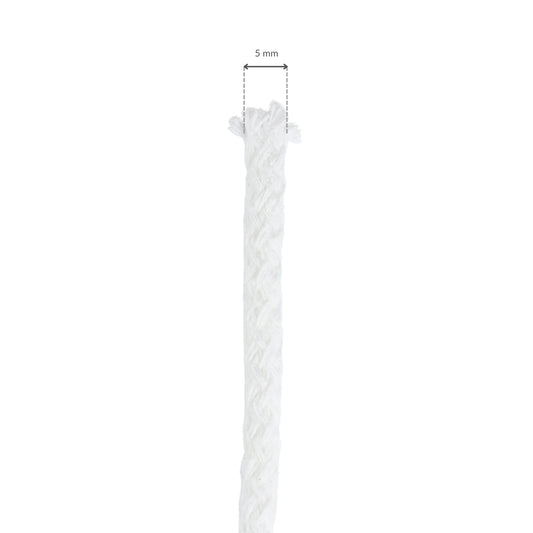
Cord - Cotton 5 mm/1 m white
Regular price €0,95Unit price / perRegular priceSale price €0,95 -
Vendor:MageCraft
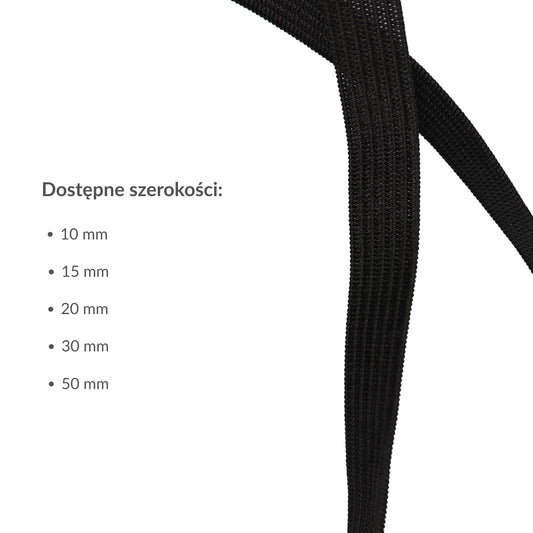
Elastic band - 15 mm/5 m black
Regular price €0,95Unit price / perRegular priceSale price €0,95 -
Vendor:MageCraft
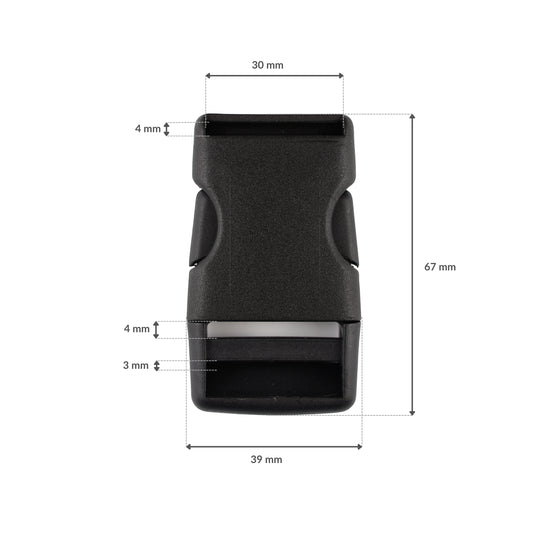
Plastic buckle - 30x67 mm black 1 pc.
Regular price €0,95Unit price / perRegular priceSale price €0,95 -
Vendor:MageCraft
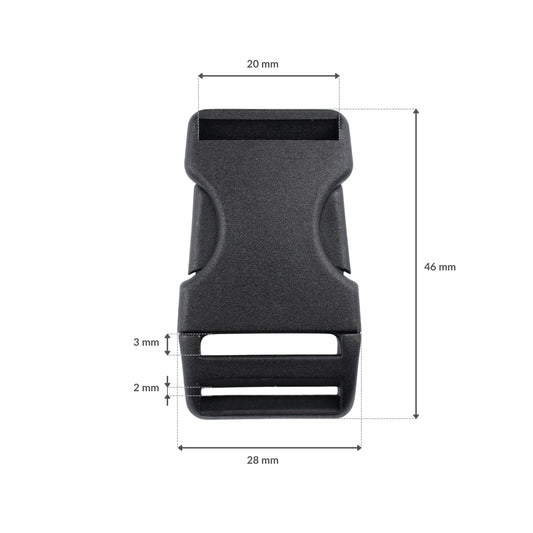
Plastic buckle - 20x46 mm black 1 pc.
Regular price €0,95Unit price / perRegular priceSale price €0,95