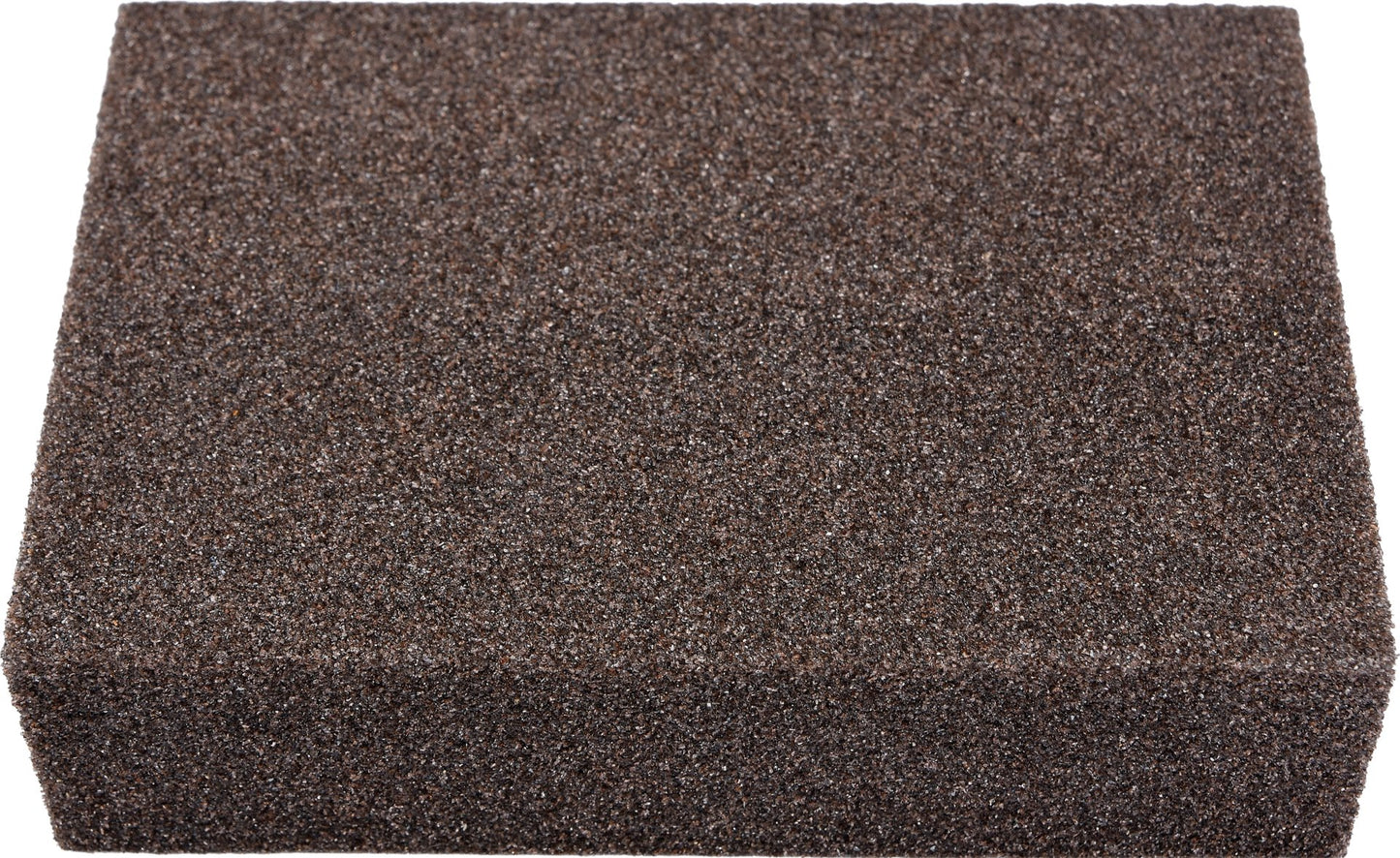
Vorel abrasive sanding block - P80 68x100x25 mm
Vorel abrasive sanding block - P80 68x100x25 mm

Secure payments
Your payment information is processed securely.


Description
Efficient Material Shaping and Precise Sanding for Cosplay Projects
The Vorel P80 sanding sponge is a professional-grade tool designed for cosplay prop building and complex armor fabrication. Its coarse grit is ideal for rapid material removal, allowing creators to quickly define shapes and level uneven surfaces. As a fundamental cosplay accessory, this sanding block ensures high efficiency when working with dense foams and other materials common in the craft.
Key features
- Aggressive P80 Grit: The coarse abrasive surface is designed for rapid material removal. It is perfect for the initial shaping phase of armor parts, removing excess foam, and leveling deep surface irregularities.
- Flexible Foam Core: The 25 mm polyurethane sponge core provides consistent pressure during use. Its flexibility allows for seamless sanding of complex, curved, or rounded shapes, such as helmets and pauldrons.
- Four-Sided Abrasive Coating: Abrasive material is applied to all four sides of the block for maximum utility. This design ensures long-lasting performance and allows the user to reach into tight corners and crevices with ease.
- Ergonomic Dimensions: Measuring 68x100 mm, the block fits comfortably in the hand, which helps reduce fatigue during extended workshop sessions. The size offers full control over every sanding motion.
- High Versatility: This tool is highly effective on EVA foam, styrofoam, wood, automotive body fillers, and thermoplastics. It can be used for both dry and wet sanding applications.
Examples of use
EVA Foam Shaping
When building armor, the P80 sanding block facilitates quick edge beveling and the creation of clean angles on foam plates. It prepares the surface for subsequent applications of adhesives or primers, significantly improving bond strength.
Smoothing Adhesive Seams
The tool excels at removing hardened excess contact adhesive or hot glue from construction joints. It provides a uniform surface transition, which is essential before moving on to the finishing and painting stages of a prop.
Processing Casts and Prints
This block is ideal for removing seam lines, mold flash, and burrs from polyurethane casts. The coarse grit also helps quickly level out visible layer lines on 3D printed components before finer grit sanding.
For best results in your workshop, consider pairing this tool with EVA foam and various adhesives to complete your construction. Always prioritize safety while sanding by wearing appropriate protection from our BHP collection.
Specification
| Attribute | Value |
|---|---|
Gradation |
P80 |
SKU: |
08289 |
EAN: |
5906083082894 |
Reviews
No reviews yet
FAQ
What are sanding sponges best used for in cosplay projects?
What are sanding sponges best used for in cosplay projects?
Which grit should I choose for sanding EVA foam?
Which grit should I choose for sanding EVA foam?
Can sanding sponges be used for wet sanding?
Can sanding sponges be used for wet sanding?
How can I effectively clean sanding sponges to make them last longer?
How can I effectively clean sanding sponges to make them last longer?
What is the difference between sanding sponges with different shapes and profiles?
What is the difference between sanding sponges with different shapes and profiles?
Do sanding sponges require the use of personal protective equipment?
Do sanding sponges require the use of personal protective equipment?
Safety
Featured collection
-
Vendor:MageCraft
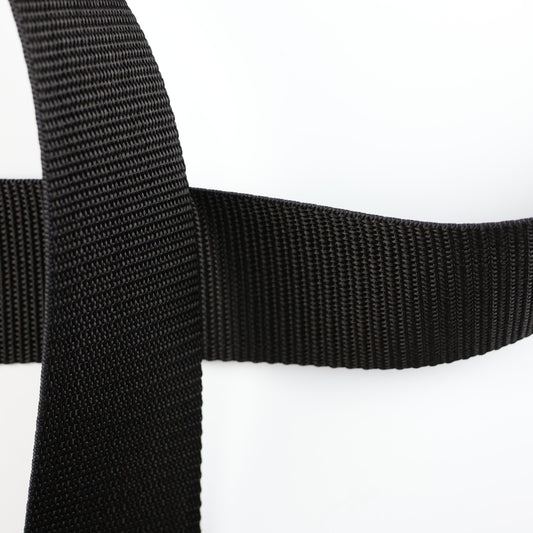
Polypropylene webbing - 20 mm/1 m black
Regular price €1,95Unit price / perRegular priceSale price €1,95Sold out -
Vendor:MageCraft
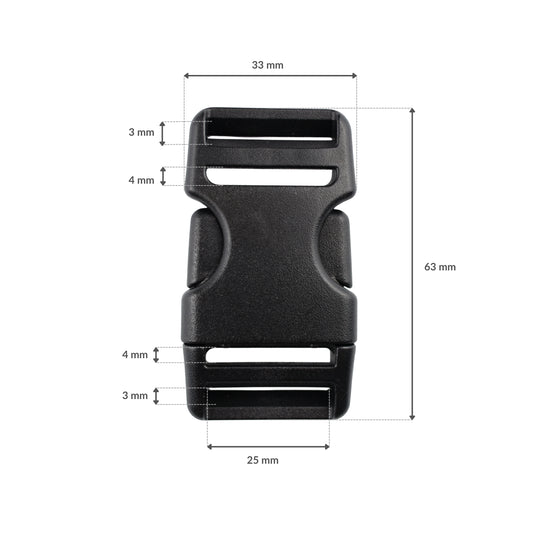
Plastic buckle - 25 mm black 1 pc.
Regular price €0,95Unit price / perRegular priceSale price €0,95 -
Vendor:MageCraft
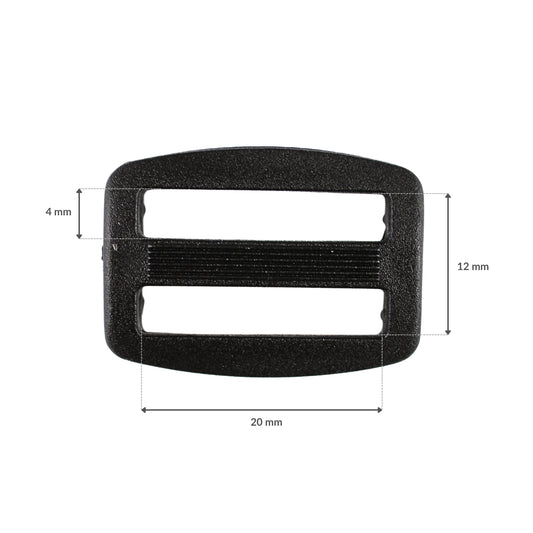
Plastic adjuster - 20/12 mm black 1 pc.
Regular price €0,95Unit price / perRegular priceSale price €0,95 -
Vendor:MageCraft
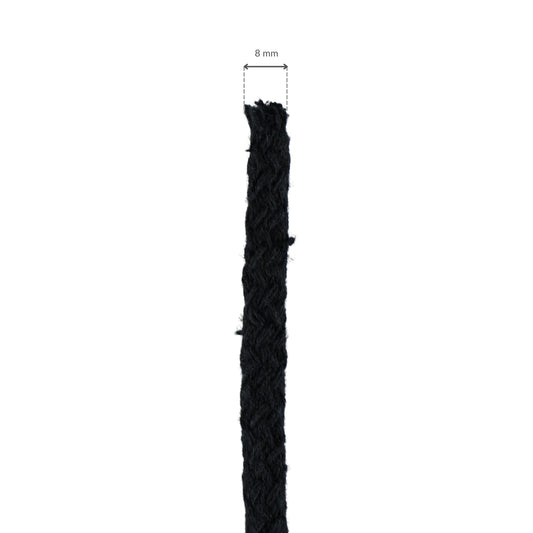
Cotton Cord - 8 mm/1 m black
Regular price €0,95Unit price / perRegular priceSale price €0,95 -
Vendor:MageCraft
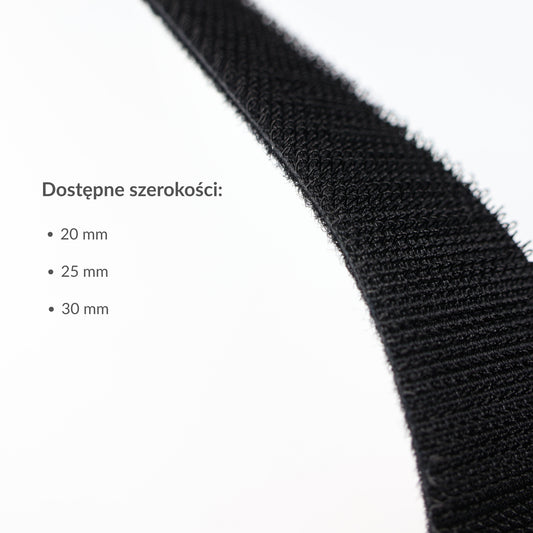
Hook and loop tape - double-sided 25 mm/1 m nylon black
Regular price €1,95Unit price / perRegular priceSale price €1,95Sold out -
Vendor:MageCraft
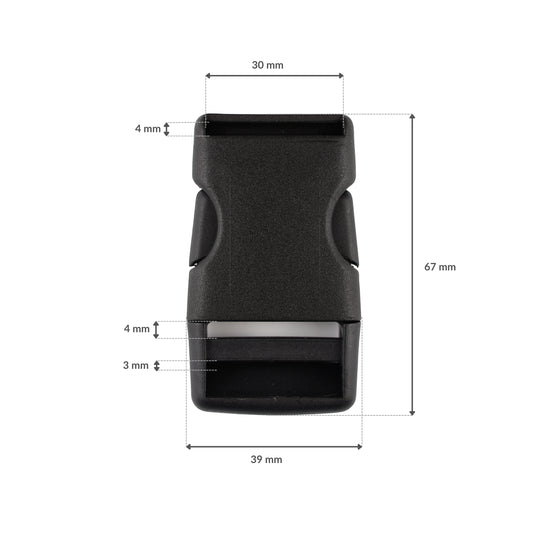
Plastic buckle - 30x67 mm black 1 pc.
Regular price €0,95Unit price / perRegular priceSale price €0,95 -
Vendor:MageCraft
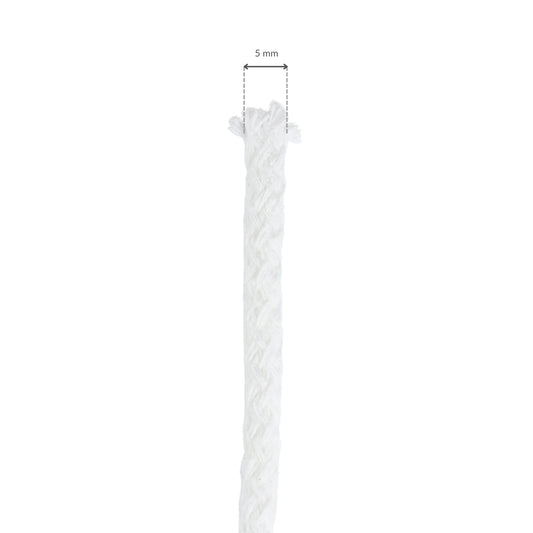
Cord - Cotton 5 mm/1 m white
Regular price €0,95Unit price / perRegular priceSale price €0,95 -
Vendor:MageCraft
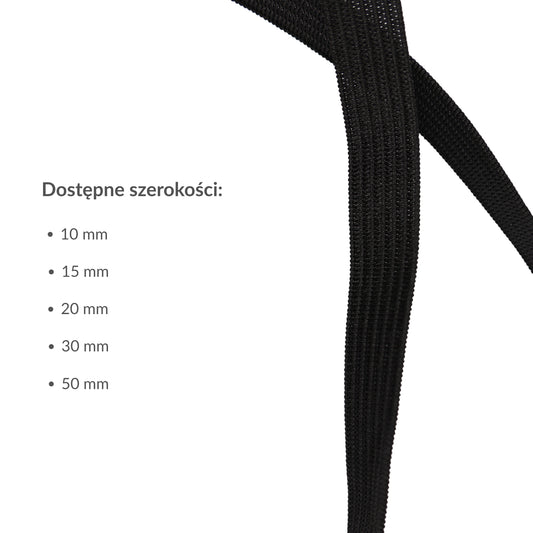
Elastic band - 30 mm/1 m black
Regular price €1,95Unit price / perRegular priceSale price €1,95 -
Vendor:MageCraft
Elastic band - 15 mm/5 m black
Regular price €0,95Unit price / perRegular priceSale price €0,95