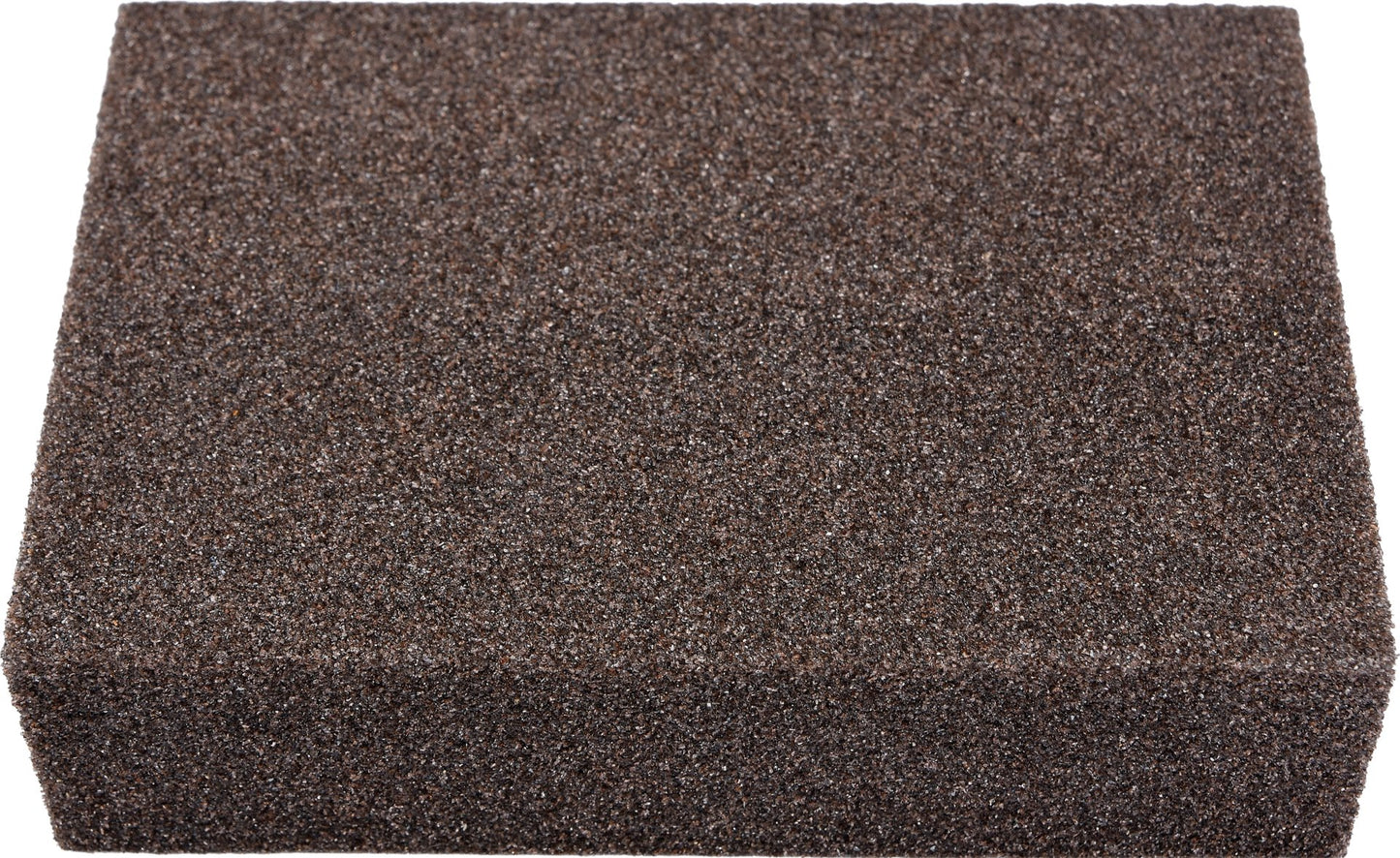
Vorel abrasive sanding block - P180 68x100x25 mm
Vorel abrasive sanding block - P180 68x100x25 mm

Secure payments
Your payment information is processed securely.


Description
Achieve Professional Finishes with Vorel P180 Sanding Blocks
The Vorel P180 abrasive block is an essential sanding tool for every cosplayer and prop maker seeking precision. With its flexible design, this block effortlessly conforms to complex surfaces, ensuring smooth edges and uniform textures on various materials. It is the perfect choice for refining your cosplay projects, providing a consistent finish that prepares your work for flawless painting and sealing.
Key Features
- Optimal P180 Gradation: This fine grit provides the perfect balance for smoothing out surface imperfections without creating deep gouges. It ensures a professional result on both soft foams and harder materials.
- Flexible Foam Core: The durable polyurethane sponge core adapts easily to curves and contours. This design prevents uneven pressure, which is critical when working on detailed armor pieces or helmets.
- Ergonomic Dimensions: Measuring 68x100x25 mm, the block fits comfortably in the hand for extended periods of use. All four sides are abrasive, maximizing the utility and lifespan of the tool.
- Versatile Wet and Dry Use: This block is designed to perform exceptionally well in both dry sanding and wet sanding applications. Wet sanding helps prevent clogging, ensuring the abrasive stays effective for longer.
- High Durability: The high-quality abrasive coating is securely bonded to the sponge, resisting shedding and premature wear. It maintains consistent cutting power even during intensive prop construction sessions.
Typical Applications
EVA Foam Smoothing
The P180 grit is ideal for removing knife marks and dremel tool imperfections from EVA foam armor. Its flexibility allows for smooth transitioning on rounded surfaces like pauldrons and vambraces, creating a seamless base for primers.
Refining Sculpting Materials
Use this block to easily level foam clay, acrylic fillers, or hot glue joints. It gently removes excess material without snagging, making it easy to blend different surfaces into a unified whole before the painting stage.
Surface Preparation
Delicately matting the surface of 3D-printed parts or PVC pipes with this block significantly improves paint adhesion. Proper mechanical keying prevents future paint flaking and ensures your final look remains durable.
Properly prepared surfaces are the foundation of a high-quality costume. Enhance your workshop setup by exploring our abrasive materials and primers and sealers to achieve the best results in your next build.
Specification
| Attribute | Value |
|---|---|
Gradation |
P180 |
SKU: |
08293 |
EAN: |
5906083082931 |
Reviews
No reviews yet
FAQ
What are sanding sponges best used for in cosplay projects?
What are sanding sponges best used for in cosplay projects?
Which grit should I choose for sanding EVA foam?
Which grit should I choose for sanding EVA foam?
Can sanding sponges be used for wet sanding?
Can sanding sponges be used for wet sanding?
How can I effectively clean sanding sponges to make them last longer?
How can I effectively clean sanding sponges to make them last longer?
What is the difference between sanding sponges with different shapes and profiles?
What is the difference between sanding sponges with different shapes and profiles?
Do sanding sponges require the use of personal protective equipment?
Do sanding sponges require the use of personal protective equipment?
Safety
Featured collection
-
Vendor:MageCraft
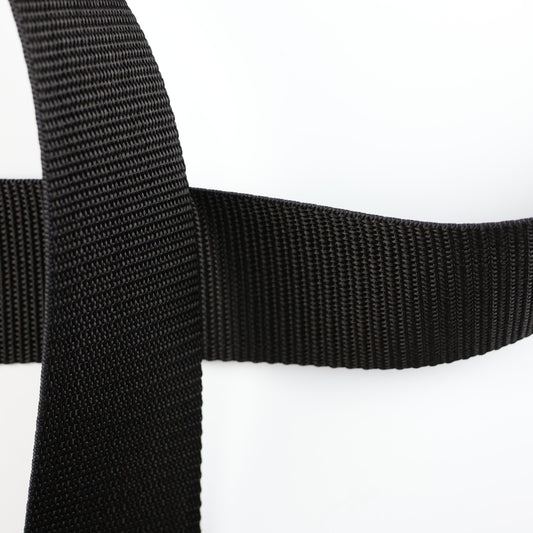
Polypropylene webbing - 20 mm/1 m black
Regular price €1,95Unit price / perRegular priceSale price €1,95Sold out -
Vendor:MageCraft
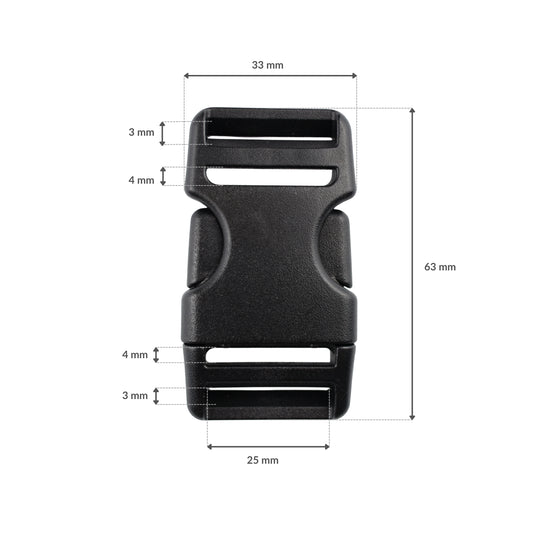
Plastic buckle - 25 mm black 1 pc.
Regular price €0,95Unit price / perRegular priceSale price €0,95 -
Vendor:MageCraft
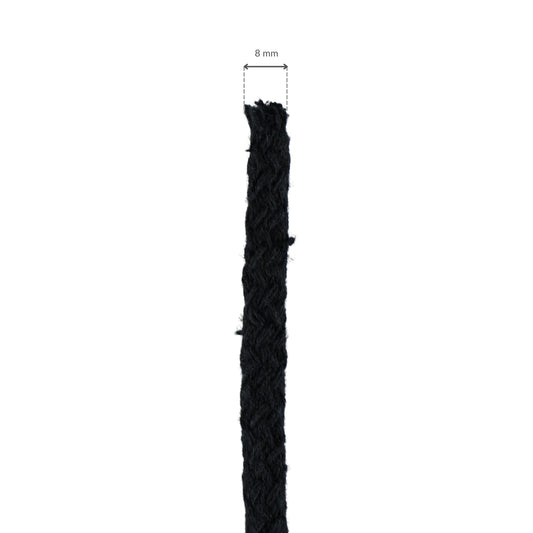
Cotton Cord - 8 mm/1 m black
Regular price €0,95Unit price / perRegular priceSale price €0,95 -
Vendor:MageCraft
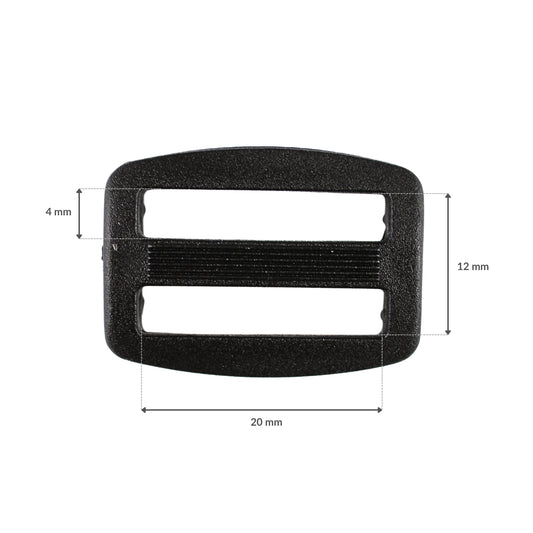
Plastic adjuster - 20/12 mm black 1 pc.
Regular price €0,95Unit price / perRegular priceSale price €0,95 -
Vendor:MageCraft
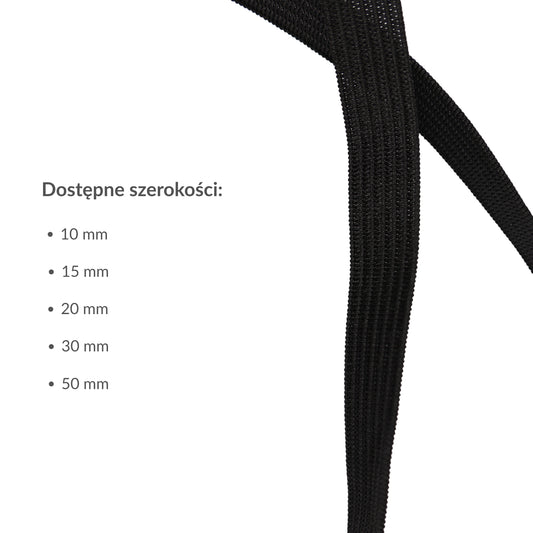
Elastic band - 30 mm/1 m black
Regular price €1,95Unit price / perRegular priceSale price €1,95 -
Vendor:MageCraft
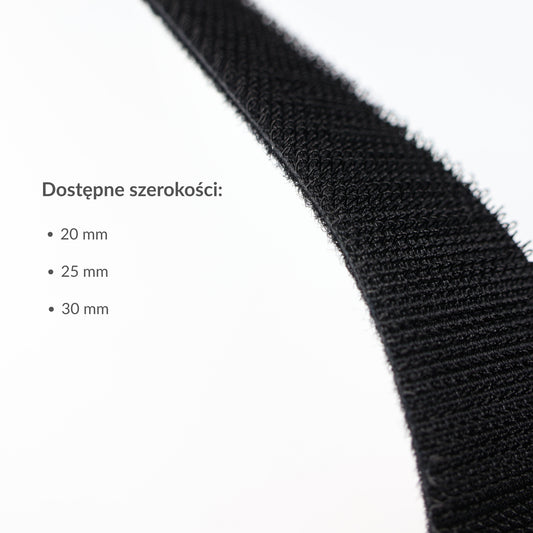
Hook and loop tape - double-sided 25 mm/1 m nylon black
Regular price €1,95Unit price / perRegular priceSale price €1,95Sold out -
Vendor:MageCraft
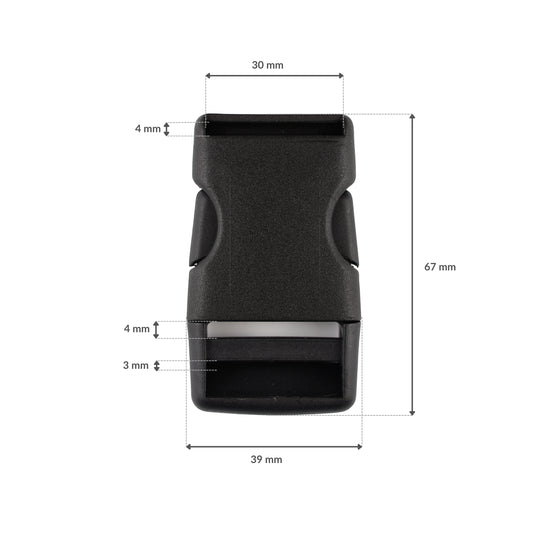
Plastic buckle - 30x67 mm black 1 pc.
Regular price €0,95Unit price / perRegular priceSale price €0,95 -
Vendor:MageCraft
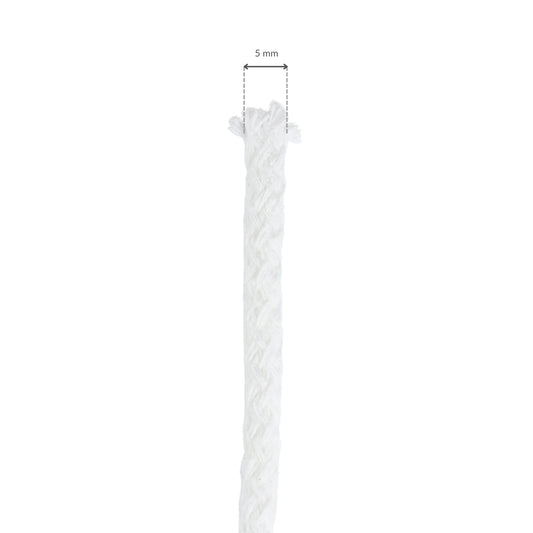
Cord - Cotton 5 mm/1 m white
Regular price €0,95Unit price / perRegular priceSale price €0,95 -
Vendor:MageCraft
Elastic band - 15 mm/5 m black
Regular price €0,95Unit price / perRegular priceSale price €0,95