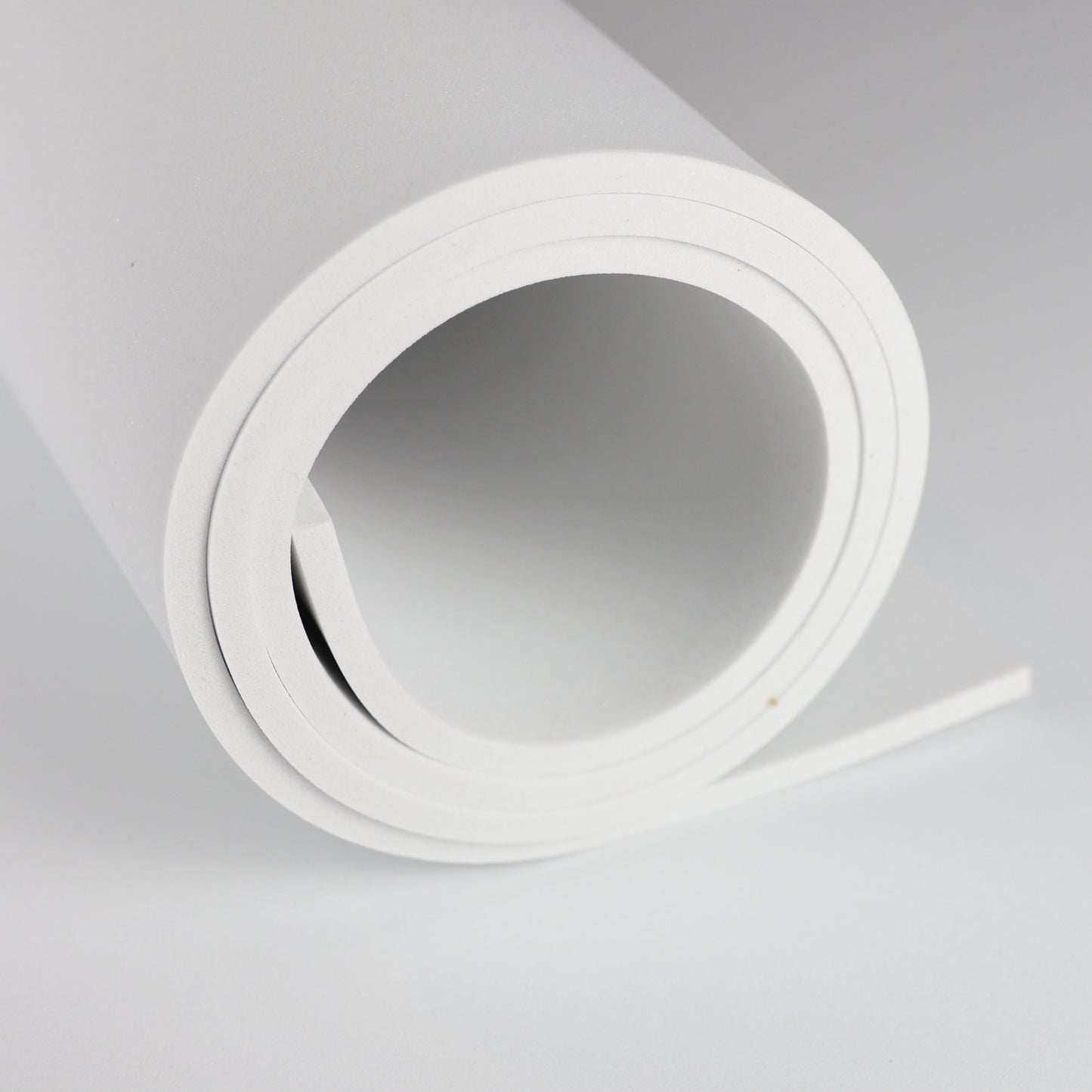
EVA foam 65 kg/m3, 10 mm white - 50x50 cm
EVA foam 65 kg/m3, 10 mm white - 50x50 cm


Secure payments
Your payment information is processed securely.


Description
Professional Foundation for Durable Cosplay Armor and Props
This high-density EVA foam is an essential material for any advanced cosplay armor construction and detailed prop building. With its specialized properties, it serves as an ideal base for creating large-scale, structural elements that require both rigidity and long-lasting shape retention. The uniform white color ensures a clean appearance and serves as a neutral primer for professional finishing.
Key Product Features
- Optimal Density: Featuring a density of 65 kg/m3, this EVA foam offers the perfect balance between structural firmness and necessary flexibility. This ensures that crafted armor pieces remain resistant to deformation during intensive use.
- Structural Thickness: The 10 mm profile provides substantial volume, making it the preferred choice for building massive armor components, heavy weapons, and shields. Its thickness allows for deep carving and complex beveling to achieve realistic textures.
- High-Visibility Surface: The crisp white finish allows for precise marking, sketching, and pattern transferring using standard pencils or markers. It also requires fewer coats of paint, making it a highly efficient cosplay material for vibrant color schemes.
- Convenient Format: The 50x50 cm sheet size is designed for maximum versatility in the workshop, reducing material waste during the creation of mid-sized props. Its manageable dimensions are perfect for both experimental prototypes and detailed final components.
- Superior Workability: The material is exceptionally easy to cut, sand, and heat-shape, allowing for seamless integration into existing cosplay projects. It holds heat-set shapes remarkably well, ensuring that complex curves remain stable over time.
Where to Use
Massive Armor Construction
This material is the ideal choice for creating bulky chest pieces, pauldrons, and heavy leg armor. Due to its high density, the foam maintains its structural integrity without sagging, providing a professional look for armored costumes.
Durable Prop Weaponry
When used to coat a fiberglass rod core, this foam creates sturdy and realistic-looking swords, axes, and hammers. The density allows for clean edge sanding, helping to replicate sharp steel blades or heavy blunt force instruments.
Layering and Detailing
The 10 mm thickness provides a great base for creating depth and multi-layered patterns. It is frequently used for adding top-layer greebles and complex design elements that make cosplay armor stand out on stage or at conventions.
To achieve the most professional results, combine this foam with our high-quality contact adhesives for a permanent bond. We also recommend visiting our tools collection to find precision knives and heat guns necessary for expert-level processing.
Specification
| Attribute | Value |
|---|---|
Thickness |
10 mm |
Self-adhesive |
No |
Color |
White |
Density |
65 kg/m3 |
Size |
50x50 cm |
SKU: |
MGC-EVAF-0050 |
EAN: |
5904423961342 |
Reviews
Pianka bardzo dobrej jakości. Użyłam do zrobienia stroju karnawałowego dla dziecka i bardzo dobrze się sprawdziła. Polecam
Profesjonalna obsługa
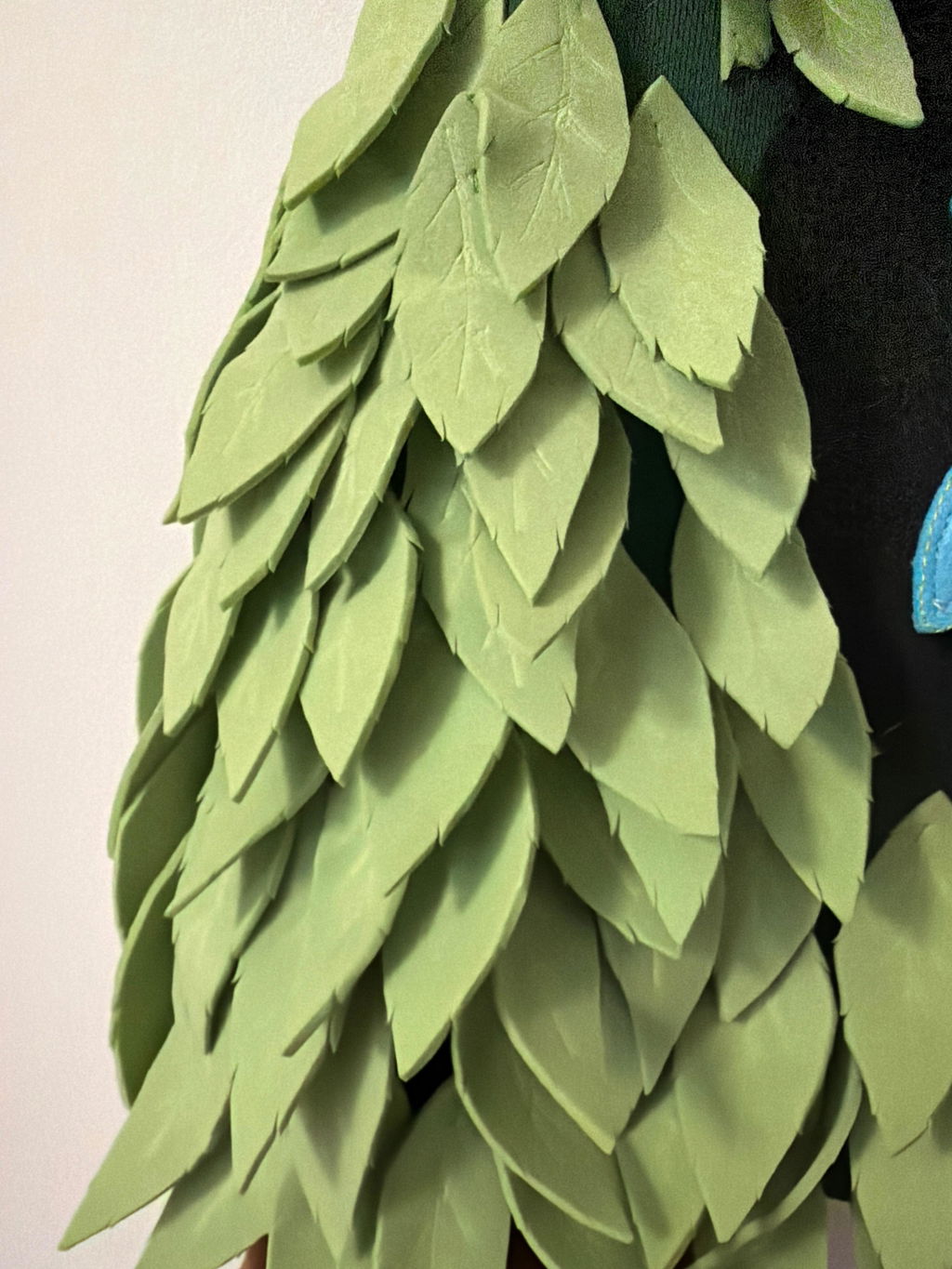
Kupiłam tą piankę z myślą o zrobieniu własnego kostiumu na Halloween i jestem mega zadowolona. Materiał świetnie się do tego nadaje, łatwo się go przycina i można go formować bez problemu. Do takich kreatywnych projektów sprawdza się naprawdę dobrze. Polecam!
Wszystko w porządku. Nie jest porowata
Wszystko ok
Użyłem do dylatacji .
Pianka w 100% spełnia oczekiwania, idealnie nadała się do mojego projektu!
Zgodny z oczekiwaniami, wszystko ok.
FAQ
What are colored EVA foam sheets best used for in cosplay and LARP?
What are colored EVA foam sheets best used for in cosplay and LARP?
Which EVA foam density should I choose for my project?
Which EVA foam density should I choose for my project?
What is the best way to cut and shape colored EVA foam?
What is the best way to cut and shape colored EVA foam?
How can I effectively glue colored EVA foam pieces together?
How can I effectively glue colored EVA foam pieces together?
Do colored EVA foam sheets require special priming before painting?
Do colored EVA foam sheets require special priming before painting?
How should I store EVA foam sheets to prevent warping?
How should I store EVA foam sheets to prevent warping?
Safety
Featured collection
-
Vendor:MageCraft
Polypropylene webbing - 20 mm/1 m black
Regular price €1,95Unit price / perRegular priceSale price €1,95Sold out -
Vendor:MageCraft
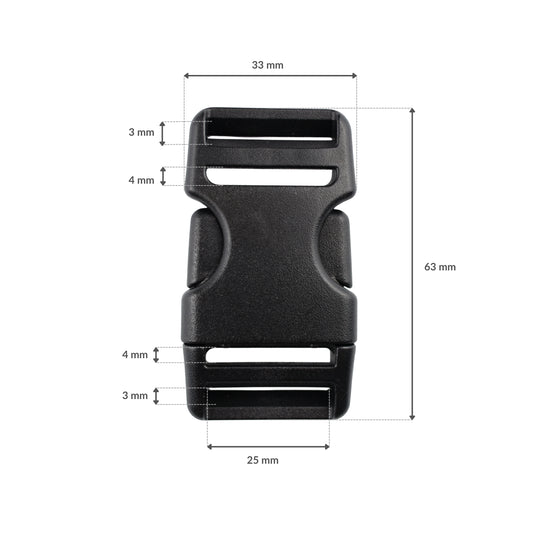
Plastic buckle - 25 mm black 1 pc.
Regular price €0,95Unit price / perRegular priceSale price €0,95 -
Vendor:MageCraft
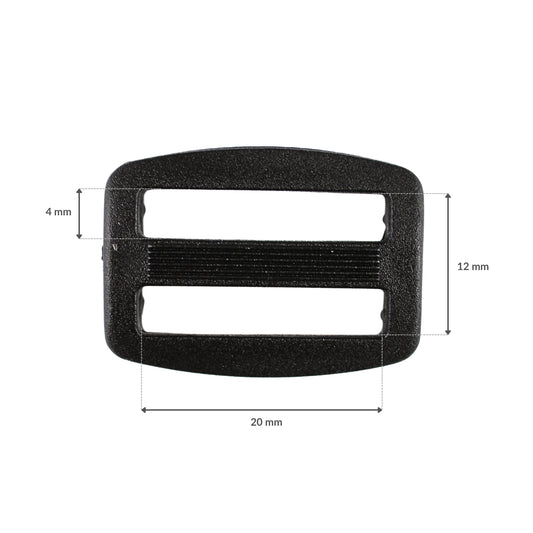
Plastic adjuster - 20/12 mm black 1 pc.
Regular price €0,95Unit price / perRegular priceSale price €0,95 -
Vendor:MageCraft
Cotton Cord - 8 mm/1 m black
Regular price €0,95Unit price / perRegular priceSale price €0,95 -
Vendor:MageCraft
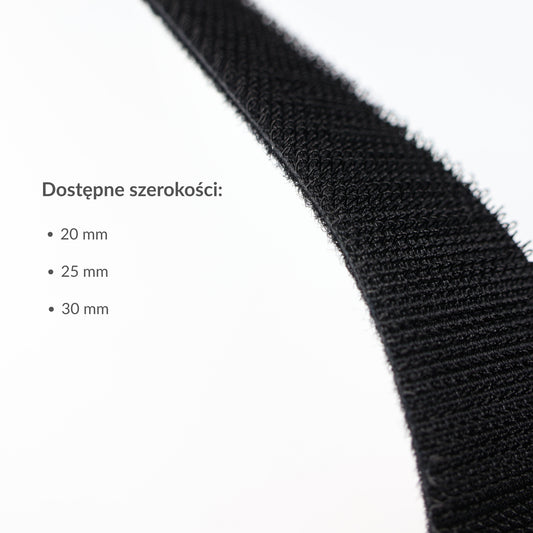
Hook and loop tape - double-sided 25 mm/1 m nylon black
Regular price €1,95Unit price / perRegular priceSale price €1,95Sold out -
Vendor:MageCraft
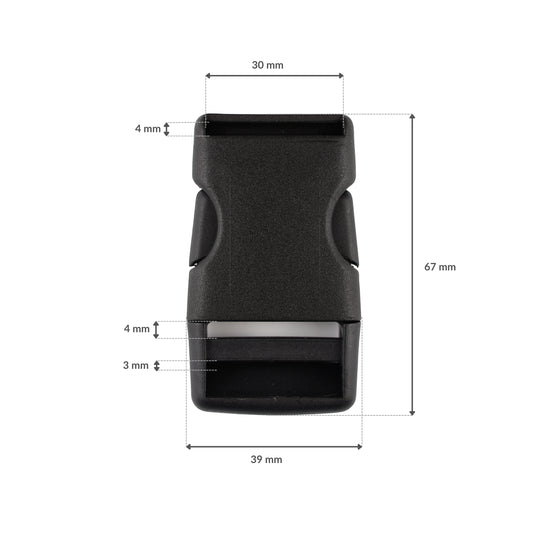
Plastic buckle - 30x67 mm black 1 pc.
Regular price €0,95Unit price / perRegular priceSale price €0,95 -
Vendor:MageCraft
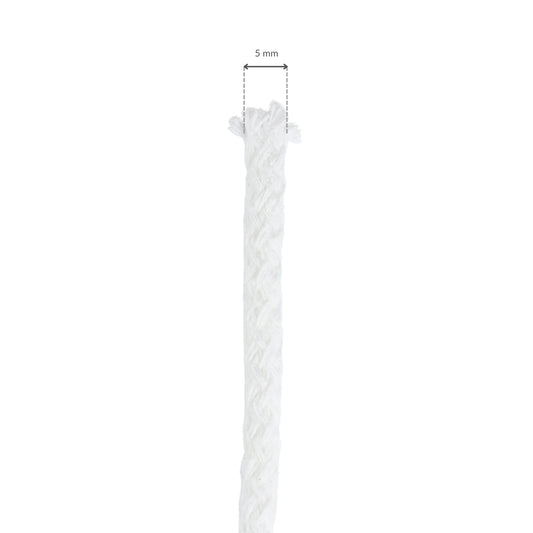
Cord - Cotton 5 mm/1 m white
Regular price €0,95Unit price / perRegular priceSale price €0,95 -
Vendor:MageCraft
Elastic band - 30 mm/1 m black
Regular price €1,95Unit price / perRegular priceSale price €1,95 -
Vendor:MageCraft
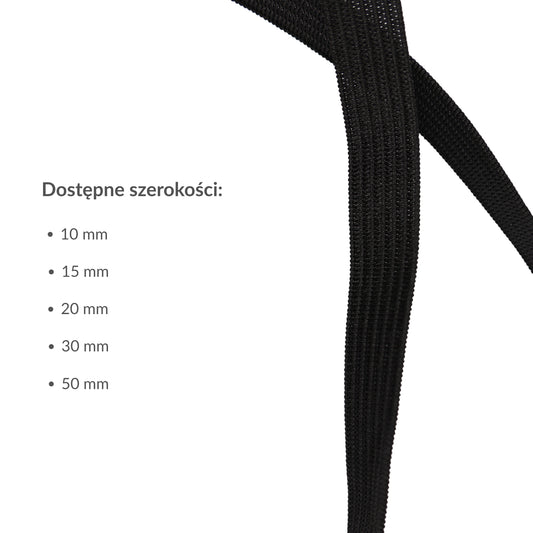
Elastic band - 15 mm/5 m black
Regular price €0,95Unit price / perRegular priceSale price €0,95