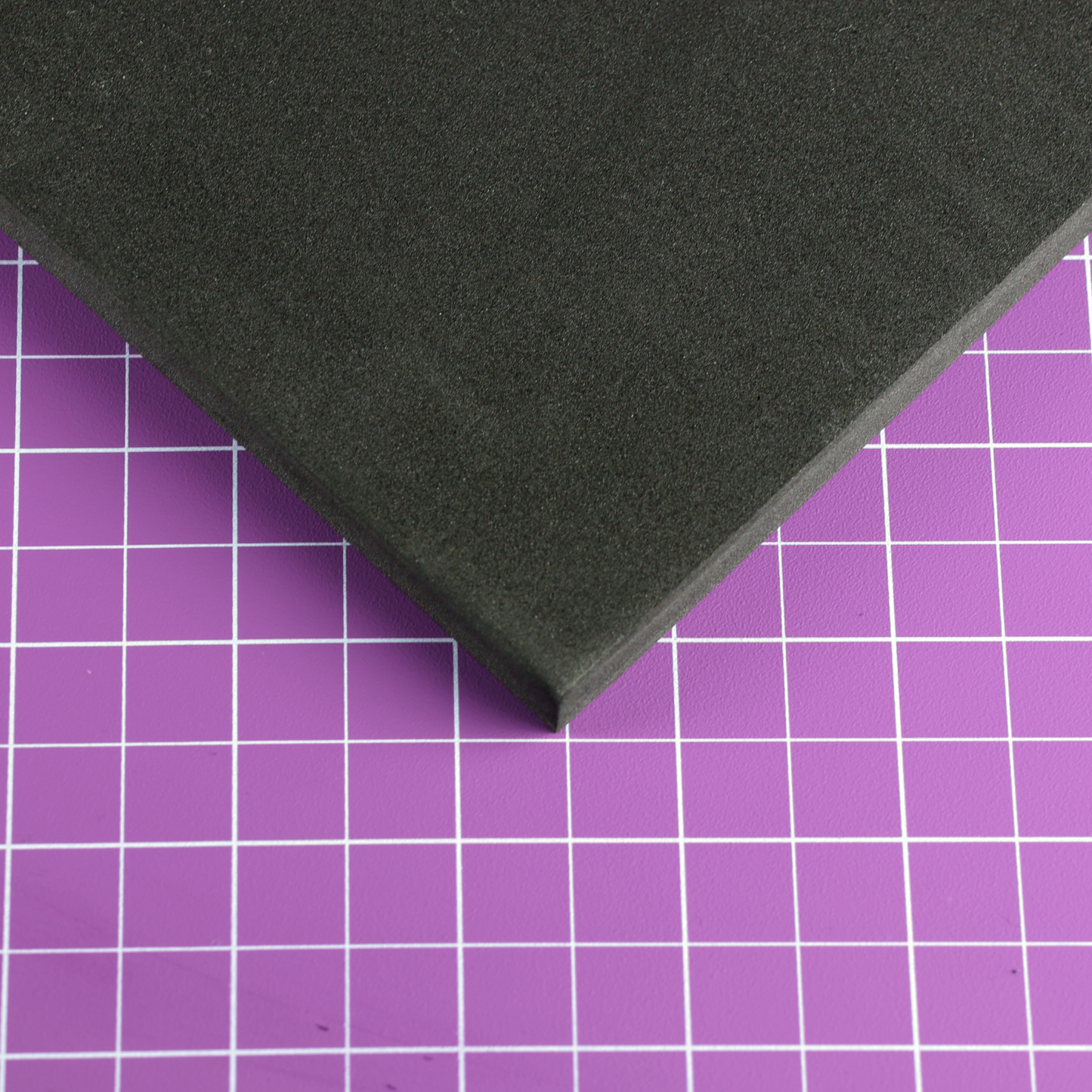
EVA foam 65 kg/m3, 10 mm black - 50x50 cm
EVA foam 65 kg/m3, 10 mm black - 50x50 cm


Secure payments
Your payment information is processed securely.


Description
Professional EVA Foam for Advanced Cosplay Props
This high-density EVA foam is an essential foundation for building durable armor and intricate props. With a density of 65 kg/m3, it provides the perfect balance between rigidity and flexibility required for complex cosplay projects. The 10 mm thickness allows for deep carving and structural integrity, ensuring that finished creations maintain their shape under stress.
Key Product Features
- Optimal Density: Featuring a 65 kg/m3 density, this EVA foam offers superior resistance to mechanical damage and tearing. It maintains structural form even under heavy load, outperforming standard decorative foam types.
- Versatile Thickness: The 10 mm profile is ideal for creating thick structural components such as armor plating, shield bases, or massive props. This depth allows for intricate surface detailing and carving without the risk of piercing through the material.
- Convenient Format: Supplied in a 50x50 cm sheet, this format optimizes material usage for small and medium-sized cosplay components. It is easy to store and comfortable to handle on smaller workstations.
- Deep Black Finish: The neutral, deep black color serves as an excellent base for paint application. It simplifies tracing guidelines and patterns using light-colored markers, while providing a professional dark primer for metallic paint finishes.
- Ease of Processing: This material reacts perfectly to heat, allowing for seamless shaping with a heat gun. It can be easily sanded and sculpted using rotary tools to achieve smooth edges and clean lines for high-quality cosplay props.
Primary Use Cases
Armor and Chestplates
Due to its high density, this foam acts as the primary load-bearing layer for heavy armor sets. It excels at replicating massive plate sections, shoulder pauldrons, and greaves. The stable structure ensures that the armor retains its intended profile during long hours of wear.
LARP Weapon Construction
This foam is perfectly suited for padding fiberglass rod cores in safe melee weapons for live-action role-playing games. The thick 10 mm layer effectively absorbs impact, while the material's durability prevents the core from breaking through. Its flexibility allows for the creation of dynamic blade shapes and guard details.
Complex Detailing
The ten-millimeter thickness enables deep angled cuts, perfect for creating realistic beveled edges and battle-worn textures. After heating, these cuts expand to simulate authentic plate seams or combat damage. It also serves as a robust base for mounting additional Foam Clay decorative applications.
For the best results, use sharp professional knives to ensure clean, precise cuts. For durable and flexible bonds, we recommend using a high-quality contact adhesive to ensure your project stands the test of time.
Specification
| Attribute | Value |
|---|---|
Thickness |
10 mm |
Self-adhesive |
No |
Color |
Black |
Density |
65 kg/m3 |
Size |
50x50 cm |
SKU: |
MGC-EVAF-0010 |
EAN: |
5904423960802 |
Reviews
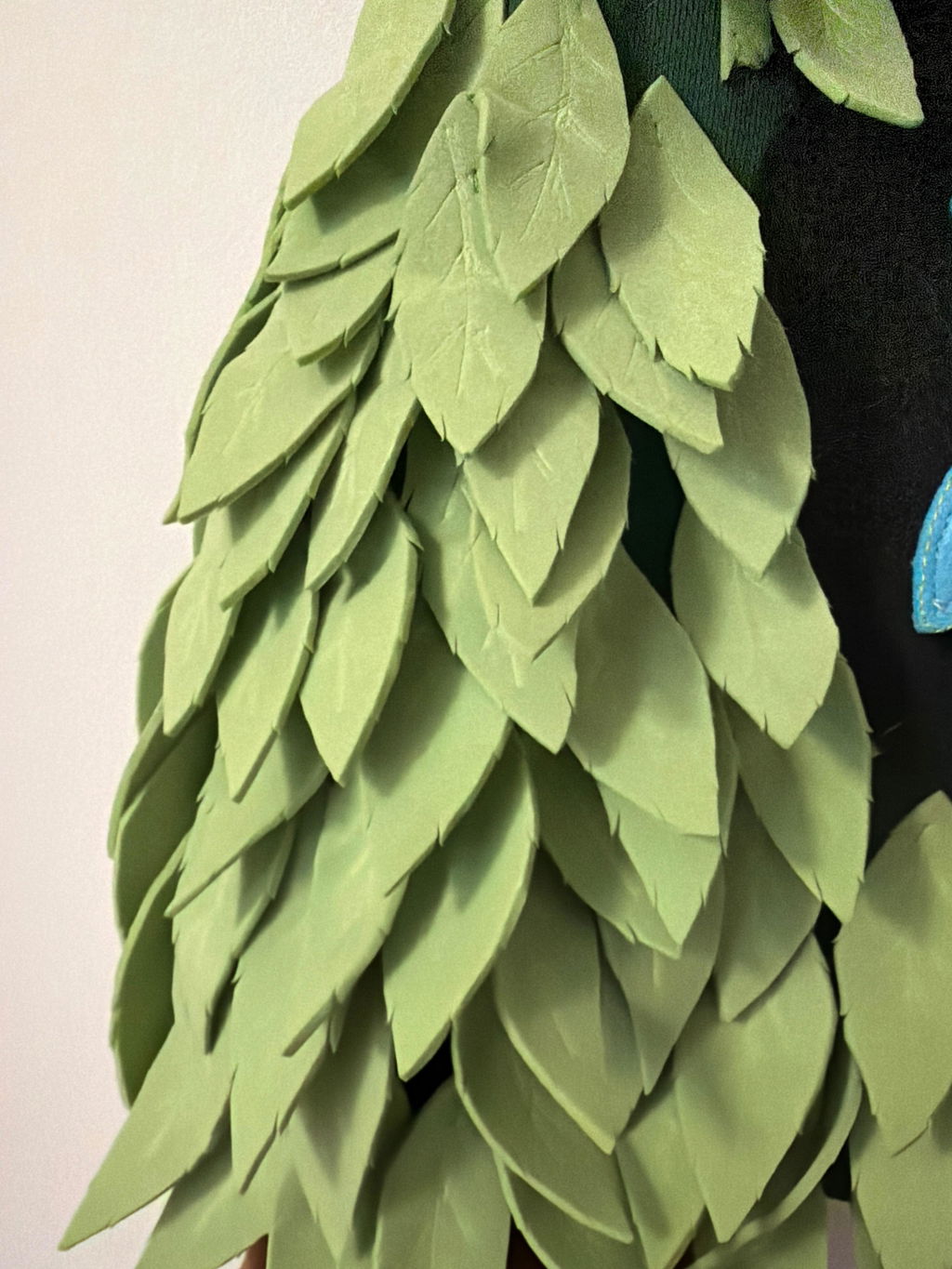
Pianka bardzo dobrej jakości. Użyłam do zrobienia stroju karnawałowego dla dziecka i bardzo dobrze się sprawdziła. Polecam
Profesjonalna obsługa
Kupiłam tą piankę z myślą o zrobieniu własnego kostiumu na Halloween i jestem mega zadowolona. Materiał świetnie się do tego nadaje, łatwo się go przycina i można go formować bez problemu. Do takich kreatywnych projektów sprawdza się naprawdę dobrze. Polecam!
Wszystko w porządku. Nie jest porowata
Wszystko ok
Użyłem do dylatacji .
Pianka w 100% spełnia oczekiwania, idealnie nadała się do mojego projektu!
Zgodny z oczekiwaniami, wszystko ok.
FAQ
What is 65 kg/m³ EVA foam best used for?
What is 65 kg/m³ EVA foam best used for?
Which thickness of EVA foam should I choose for my project?
Which thickness of EVA foam should I choose for my project?
What are the best methods for working with EVA foam?
What are the best methods for working with EVA foam?
What is the best way to glue EVA foam for durable joints?
What is the best way to glue EVA foam for durable joints?
How should I prep EVA foam for painting?
How should I prep EVA foam for painting?
Is 65 kg/m³ EVA foam safe to use?
Is 65 kg/m³ EVA foam safe to use?
Safety
Featured collection
-
Vendor:MageCraft
Polypropylene webbing - 20 mm/1 m black
Regular price €1,95Unit price / perRegular priceSale price €1,95Sold out -
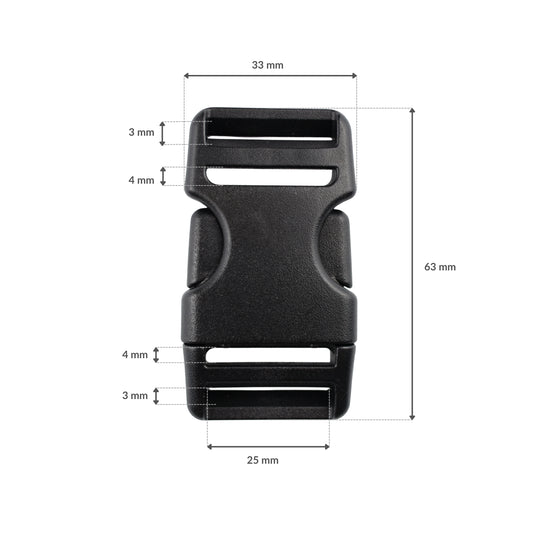
Vendor:MageCraft
Plastic buckle - 25 mm black 1 pc.
Regular price €0,95Unit price / perRegular priceSale price €0,95 -
Vendor:MageCraft
Cotton Cord - 8 mm/1 m black
Regular price €0,95Unit price / perRegular priceSale price €0,95 -
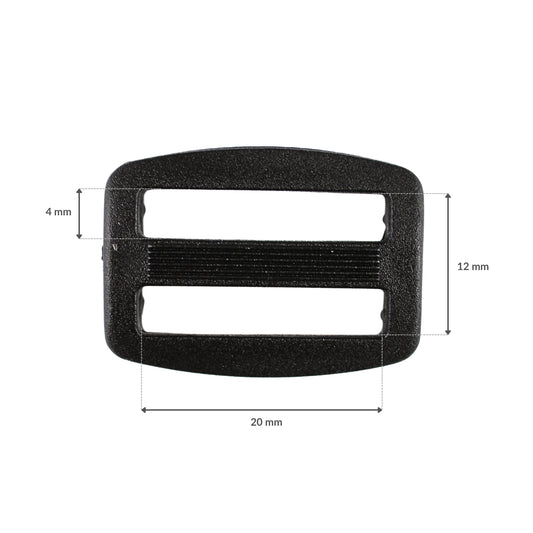
Vendor:MageCraft
Plastic adjuster - 20/12 mm black 1 pc.
Regular price €0,95Unit price / perRegular priceSale price €0,95 -
Vendor:MageCraft
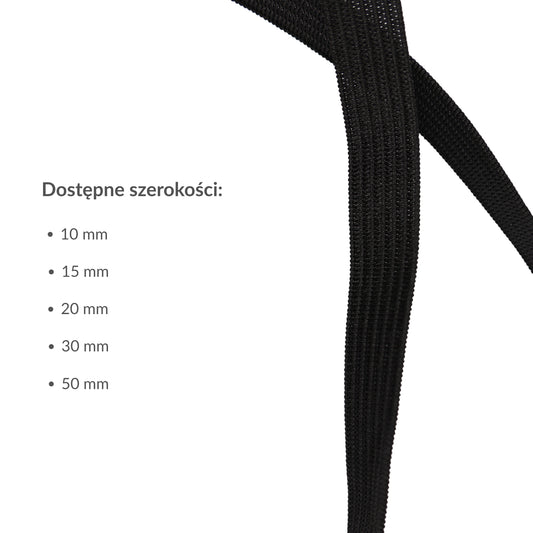
Elastic band - 30 mm/1 m black
Regular price €1,95Unit price / perRegular priceSale price €1,95 -
Vendor:MageCraft
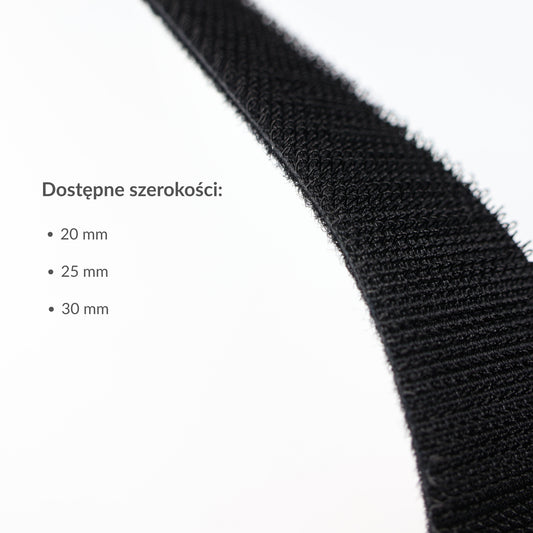
Hook and loop tape - double-sided 25 mm/1 m nylon black
Regular price €1,95Unit price / perRegular priceSale price €1,95Sold out -
Vendor:MageCraft
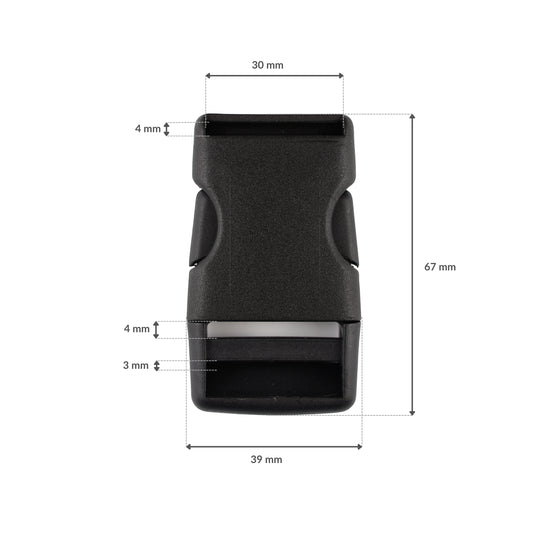
Plastic buckle - 30x67 mm black 1 pc.
Regular price €0,95Unit price / perRegular priceSale price €0,95 -
Vendor:MageCraft
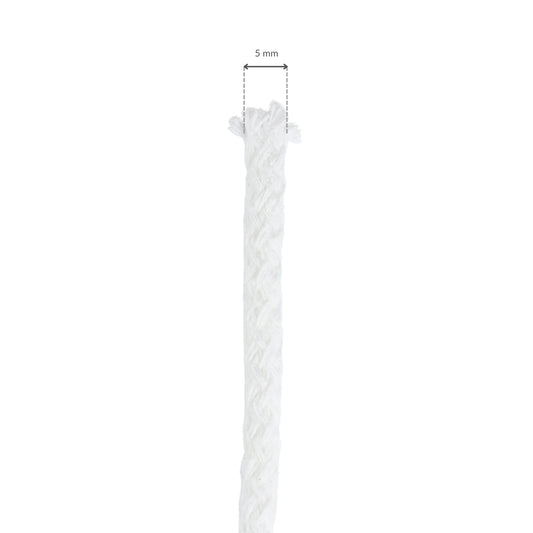
Cord - Cotton 5 mm/1 m white
Regular price €0,95Unit price / perRegular priceSale price €0,95 -
Vendor:MageCraft
Elastic band - 15 mm/5 m black
Regular price €0,95Unit price / perRegular priceSale price €0,95