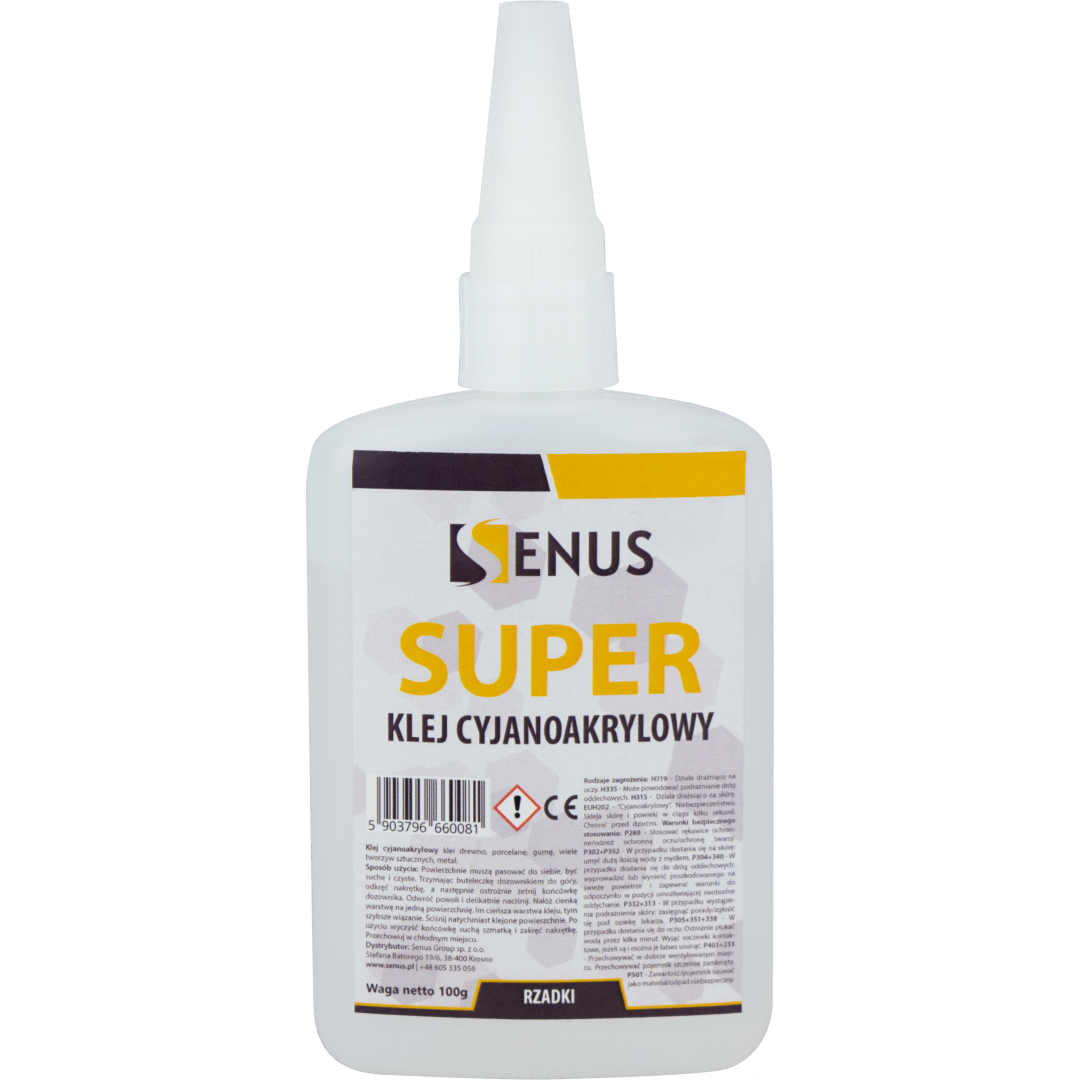
Senus Cyanoacrylate Glue - Low Viscosity 100 g
Senus Cyanoacrylate Glue - Low Viscosity 100 g

Secure payments
Your payment information is processed securely.


Description
Professional bonding for advanced cosplay and modeling projects
The Senus thin cyanoacrylate glue is a high-performance adhesive designed for fast and incredibly strong bonding. Featuring a low-viscosity formula, it allows for seamless application and rapid curing, making it an essential tool for demanding craft tasks. This professional-grade adhesive ensures reliable results for intricate assembly and detailed repair work.
Key features
- Low viscosity: The thin, liquid consistency provides excellent penetration into microscopic gaps and tight fitting joints. It flows easily into hard-to-reach areas, ensuring a perfect bond for complex, multi-part structures.
- Instant curing time: With a setting time limited to just a few seconds, it significantly accelerates assembly workflows. This rapid bonding eliminates the need for long-term clamping and allows for immediate follow-up processing.
- High capacity 100 g bottle: The large volume offers exceptional efficiency and long-term use for busy studios and professional makers. The included nozzle design allows for precise drop-by-drop dispensing to minimize waste.
- Strong and invisible bond: Once fully cured, it forms a thin, transparent, and high-strength layer that does not distort the appearance of the parts. The minimal seam thickness facilitates seamless post-processing like sanding or edge blending.
- Material versatility: This adhesive demonstrates excellent adhesion to diverse substrates, including plastics, rubber, metals, wood, ceramics, cork, and paper. It creates durable, permanent connections even between different types of materials.
Applications
3D print assembly
Ideal for permanently joining segments of models printed from PLA, ABS, or PETG. The low viscosity allows for tight fitting of edges, resulting in joints that remain practically invisible under a layer of primer.
Precision modeling
Perfect for projects requiring high accuracy, such as building dioramas or mounting delicate decorative details. The instant bond provides stability for tiny plastic or metal components without the risk of accidental shifting.
Cosplay fabrication
Provides essential support for attaching small decorations, fasteners, or magnets to foam or resin armor pieces. It serves as a reliable solution for quick, emergency repairs of props during conventions or photoshoots.
To further optimize your bonding process, consider using the Senus activator to reduce drying time, or check our full range of cyanoacrylate adhesives and accessories for your workshop needs.
Specification
| Attribute | Value |
|---|---|
Viscosity |
Low |
Size |
100 g |
EAN: |
5903796660081 |
Reviews
No reviews yet
FAQ
What are cyanoacrylate adhesives used for in cosplay and LARP projects?
What are cyanoacrylate adhesives used for in cosplay and LARP projects?
How should I use a cyanoacrylate activator to improve bonding results?
How should I use a cyanoacrylate activator to improve bonding results?
What is the difference between low and high viscosity cyanoacrylate glues?
What is the difference between low and high viscosity cyanoacrylate glues?
Are cyanoacrylate glues safe for EVA foam?
Are cyanoacrylate glues safe for EVA foam?
How should I store cyanoacrylate glues and activators to maintain their quality?
How should I store cyanoacrylate glues and activators to maintain their quality?
How do I prepare surfaces before using cyanoacrylate glue?
How do I prepare surfaces before using cyanoacrylate glue?
Safety
Featured collection
-
Vendor:MageCraft
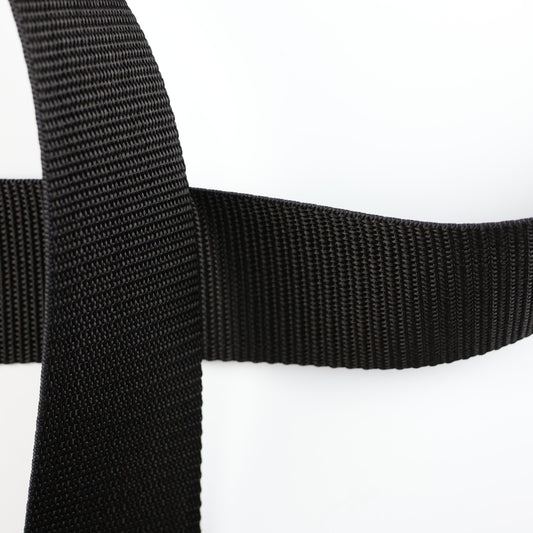
Polypropylene webbing - 20 mm/1 m black
Regular price €1,95Unit price / perRegular priceSale price €1,95Sold out -
Vendor:MageCraft
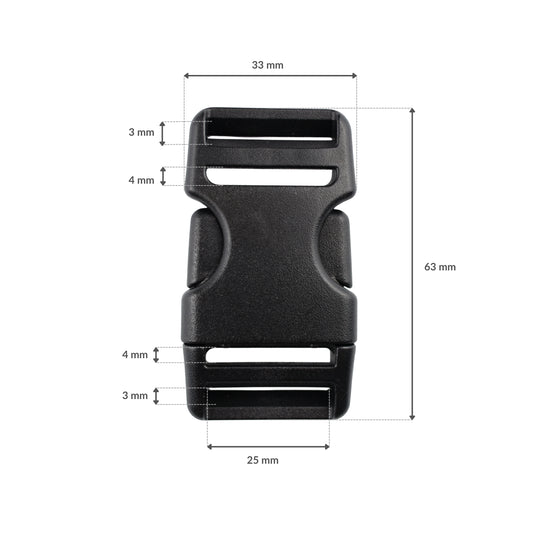
Plastic buckle - 25 mm black 1 pc.
Regular price €0,95Unit price / perRegular priceSale price €0,95 -
Vendor:MageCraft
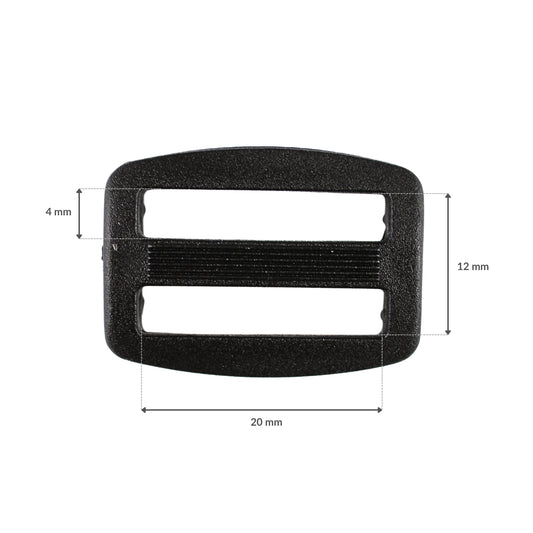
Plastic adjuster - 20/12 mm black 1 pc.
Regular price €0,95Unit price / perRegular priceSale price €0,95 -
Vendor:MageCraft
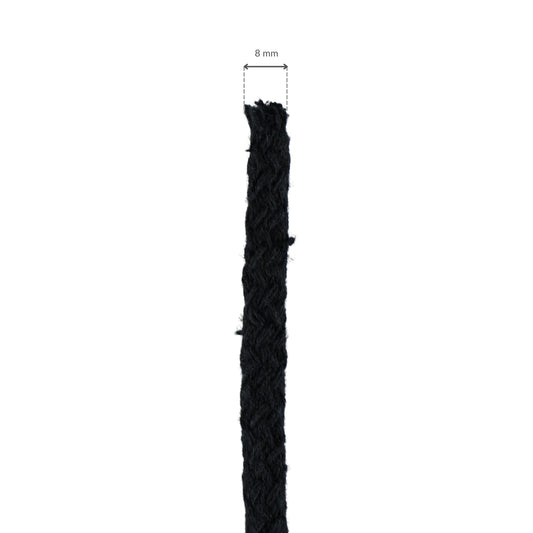
Cotton Cord - 8 mm/1 m black
Regular price €0,95Unit price / perRegular priceSale price €0,95 -
Vendor:MageCraft
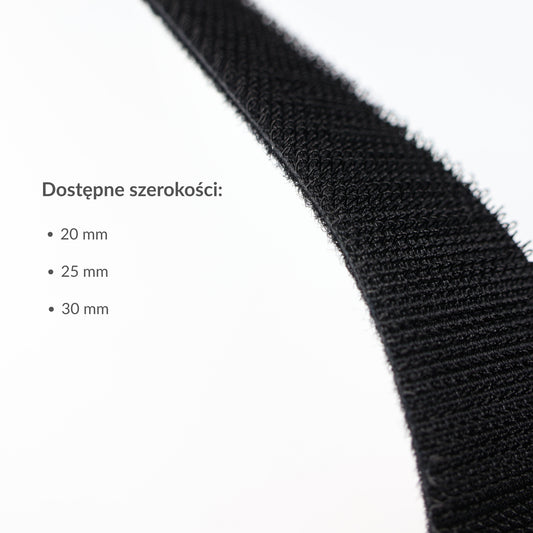
Hook and loop tape - double-sided 25 mm/1 m nylon black
Regular price €1,95Unit price / perRegular priceSale price €1,95Sold out -
Vendor:MageCraft
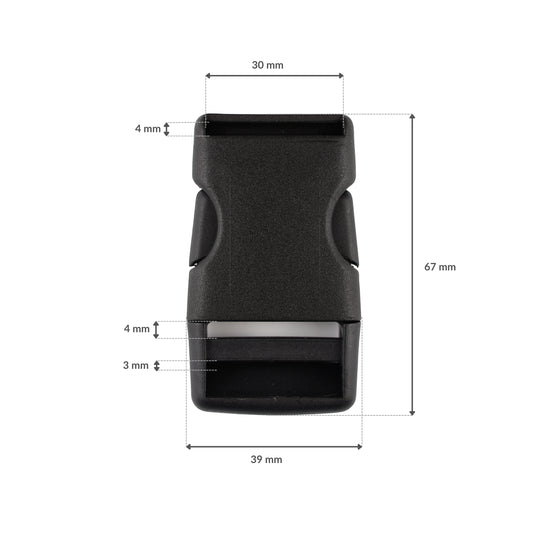
Plastic buckle - 30x67 mm black 1 pc.
Regular price €0,95Unit price / perRegular priceSale price €0,95 -
Vendor:MageCraft
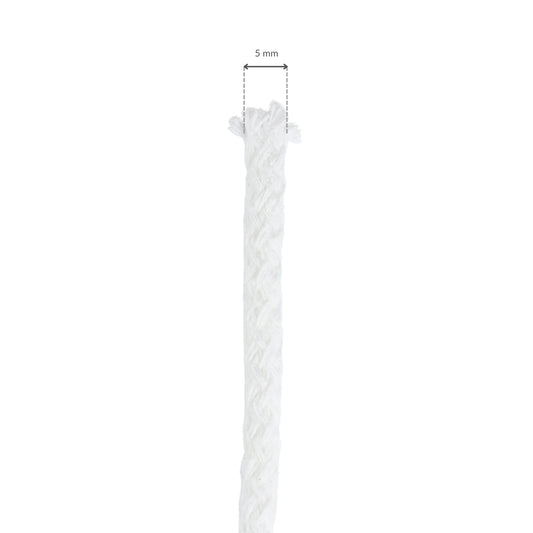
Cord - Cotton 5 mm/1 m white
Regular price €0,95Unit price / perRegular priceSale price €0,95 -
Vendor:MageCraft
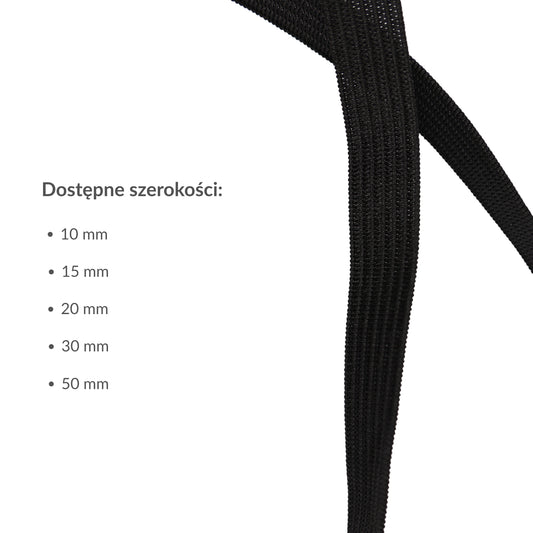
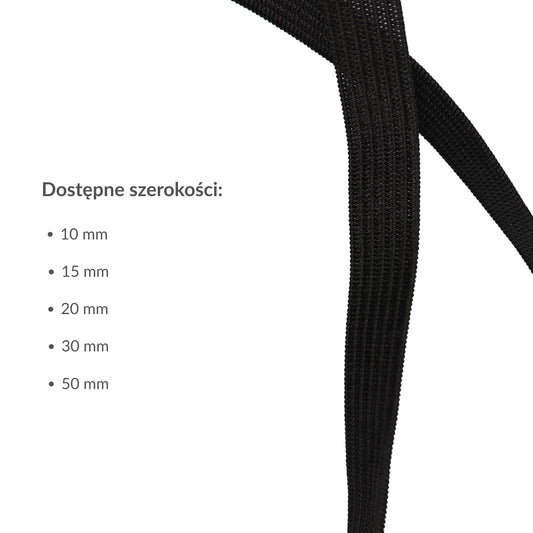
Elastic band - 30 mm/1 m black
Regular price €1,95Unit price / perRegular priceSale price €1,95 -
Vendor:MageCraft
Elastic band - 15 mm/5 m black
Regular price €0,95Unit price / perRegular priceSale price €0,95