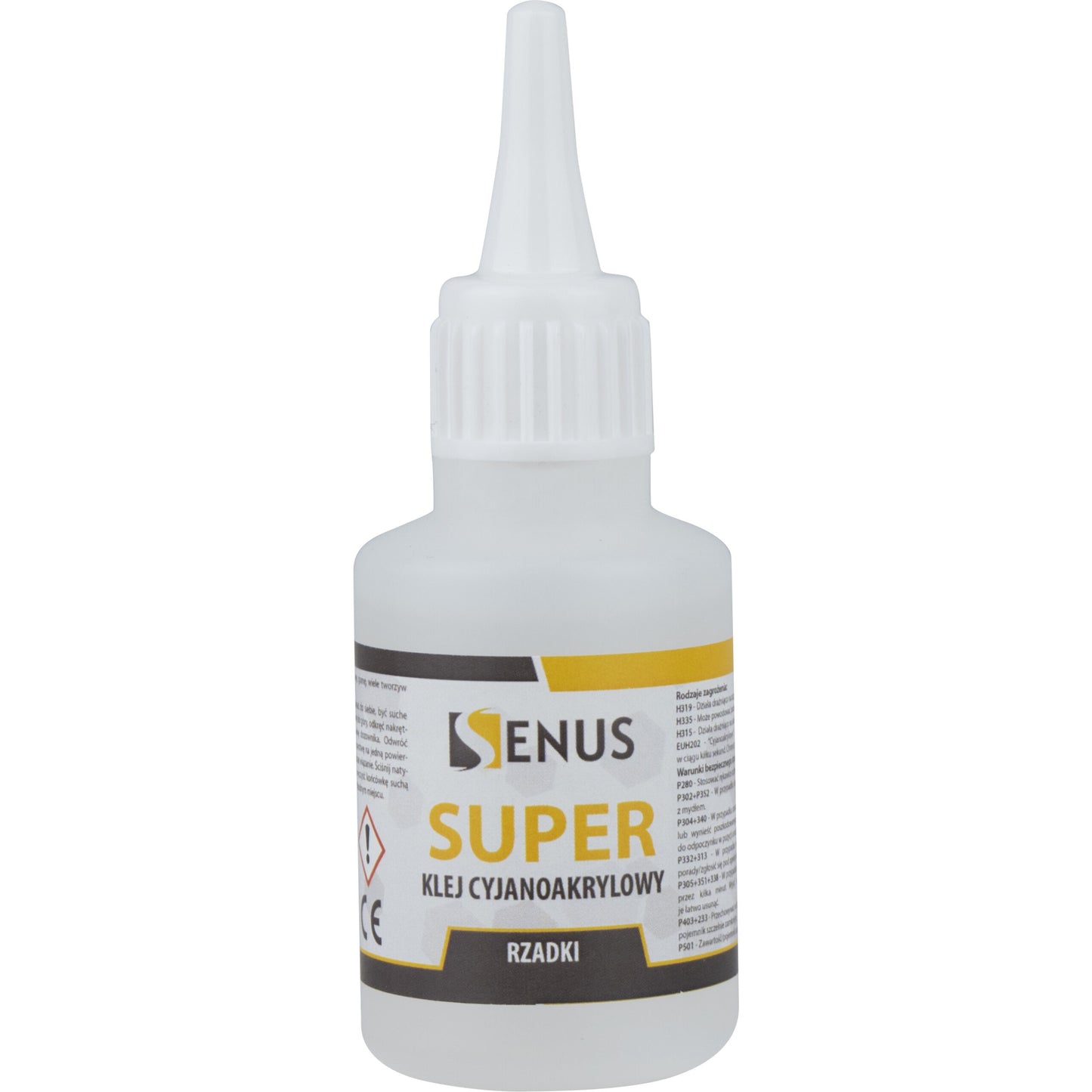
Senus Cyanoacrylate Glue - Thin 50 g
Senus Cyanoacrylate Glue - Thin 50 g

Secure payments
Your payment information is processed securely.


Description
Professional bonding with Senus cyanoacrylate glue
Achieve instant and precise connections in your cosplay projects with the Senus low-viscosity cyanoacrylate glue. This professional-grade adhesive is an essential tool for every prop maker, ensuring that armor elements and intricate details stay firmly in place. Its unique, thin consistency allows it to penetrate even the smallest gaps, creating a structural bond that withstands the rigors of any convention or photoshoot.
Key product features
- Low viscosity: The highly fluid formula allows the adhesive to flow deep into tight joints and micro-cracks instantly. This ensures perfect bonding for precisely fitted parts without leaving thick, uneven layers.
- Fast curing time: This cyanoacrylate glue features an extremely rapid setting time, bonding components in just a few seconds. This efficiency is vital when working on complex structures that require quick assembly.
- Wide compatibility: The adhesive effectively bonds diverse materials including plastics, rubber, ceramics, wood, and cork. It is highly recommended for assembling 3D printed components and stabilizing structural details.
- 50g capacity: The 50g bottle is an optimal size for long-term projects, offering high efficiency and long-lasting use. A specialized precision applicator facilitates clean, drop-by-drop dispensing.
- Transparent finish: Once cured, the glue forms a clear, nearly invisible bond that maintains the aesthetic integrity of your props. It does not discolor surfaces, making the post-processing and painting stages much easier.
Common use cases
Bonding 3D prints
During the construction of props from PLA, PETG, or ABS, this glue creates a durable chemical weld between parts. Its thin consistency minimizes the need for extensive filling or sanding, ensuring a seamless finish for your armor and weapons.
Attaching fine details
Precision is key when applying small decorations like filigrees, rivets, or thin trims to a base surface. The liquid formula allows for accurate placement without messy overflow, resulting in a professional and clean look.
Emergency convention repairs
Accidental damage during events can be stressful, but this rapid-acting glue makes on-the-spot fixes possible. It quickly secures broken components, providing enough strength to last through the rest of the convention day.
To achieve maximum bond speed and performance in challenging conditions, consider using the Senus activator for cyanoacrylate glues. For a complete workshop setup, explore our full range of cyanoacrylate glues and accessories to handle any crafting challenge.
Specification
| Attribute | Value |
|---|---|
Viscosity |
Low |
Size |
50 g |
EAN: |
5903796660043 |
Reviews
No reviews yet
FAQ
What are cyanoacrylate adhesives used for in cosplay and LARP projects?
What are cyanoacrylate adhesives used for in cosplay and LARP projects?
How should I use a cyanoacrylate activator to improve bonding results?
How should I use a cyanoacrylate activator to improve bonding results?
What is the difference between low and high viscosity cyanoacrylate glues?
What is the difference between low and high viscosity cyanoacrylate glues?
Are cyanoacrylate glues safe for EVA foam?
Are cyanoacrylate glues safe for EVA foam?
How should I store cyanoacrylate glues and activators to maintain their quality?
How should I store cyanoacrylate glues and activators to maintain their quality?
How do I prepare surfaces before using cyanoacrylate glue?
How do I prepare surfaces before using cyanoacrylate glue?
Safety
Featured collection
-
Vendor:MageCraft
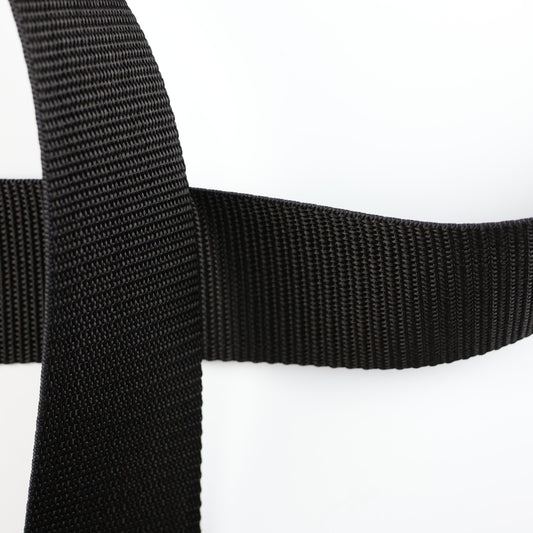
Polypropylene webbing - 20 mm/1 m black
Regular price €1,95Unit price / perRegular priceSale price €1,95Sold out -
Vendor:MageCraft
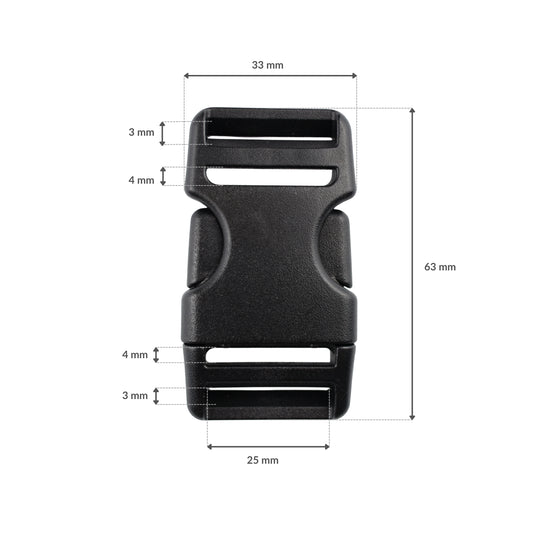
Plastic buckle - 25 mm black 1 pc.
Regular price €0,95Unit price / perRegular priceSale price €0,95 -
Vendor:MageCraft
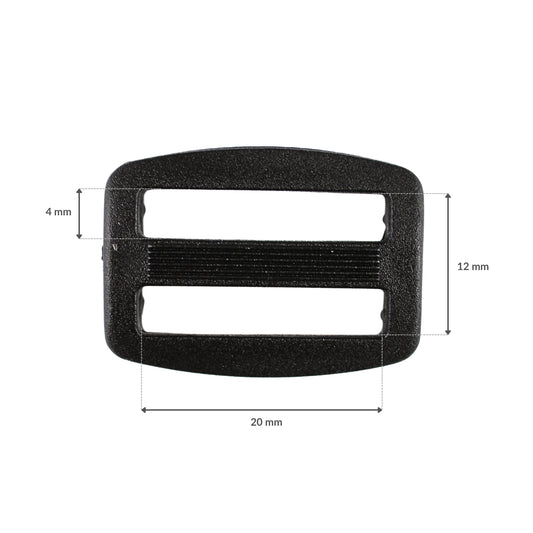
Plastic adjuster - 20/12 mm black 1 pc.
Regular price €0,95Unit price / perRegular priceSale price €0,95 -
Vendor:MageCraft
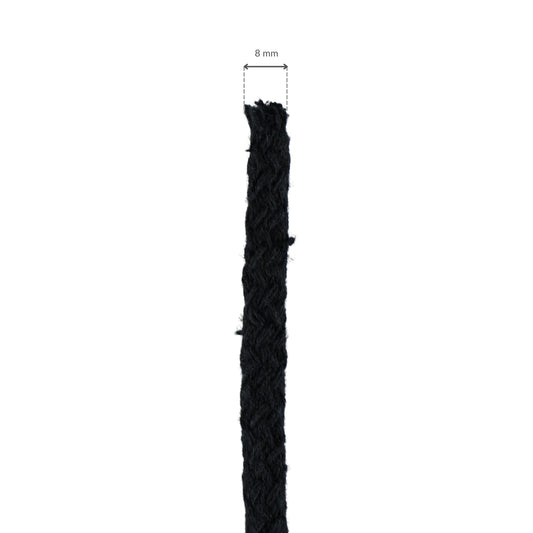
Cotton Cord - 8 mm/1 m black
Regular price €0,95Unit price / perRegular priceSale price €0,95 -
Vendor:MageCraft
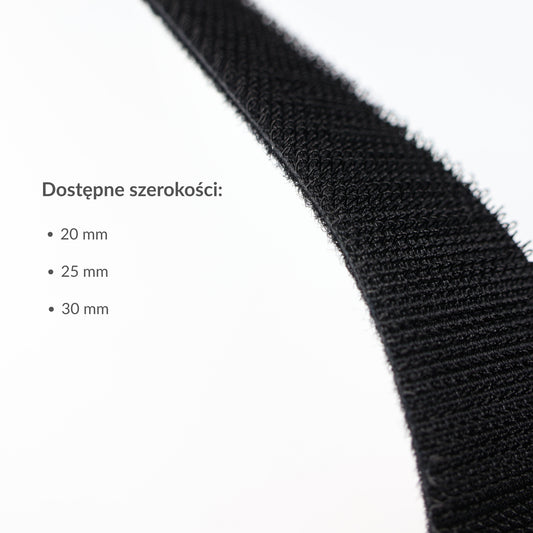
Hook and loop tape - double-sided 25 mm/1 m nylon black
Regular price €1,95Unit price / perRegular priceSale price €1,95Sold out -
Vendor:MageCraft
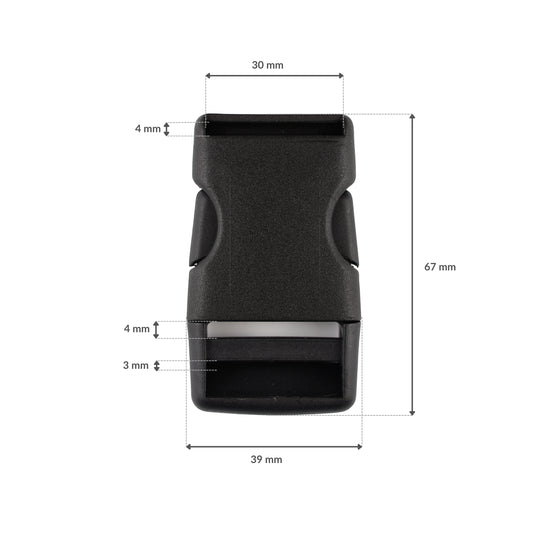
Plastic buckle - 30x67 mm black 1 pc.
Regular price €0,95Unit price / perRegular priceSale price €0,95 -
Vendor:MageCraft
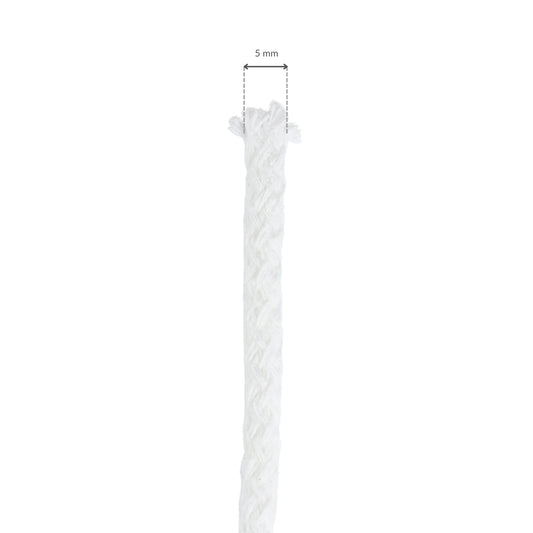
Cord - Cotton 5 mm/1 m white
Regular price €0,95Unit price / perRegular priceSale price €0,95 -
Vendor:MageCraft
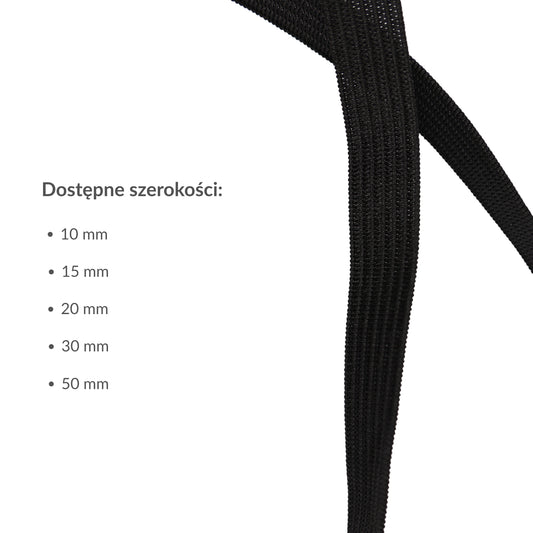
Elastic band - 30 mm/1 m black
Regular price €1,95Unit price / perRegular priceSale price €1,95 -
Vendor:MageCraft
Elastic band - 15 mm/5 m black
Regular price €0,95Unit price / perRegular priceSale price €0,95