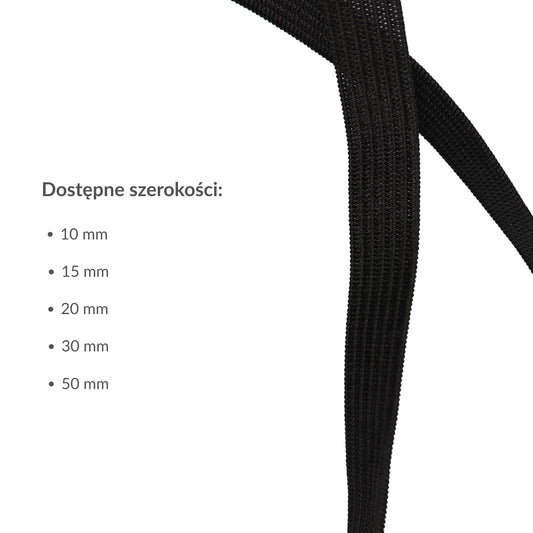
EVA foam 65 kg/m3, 10 mm black - 100x50 cm
EVA foam 65 kg/m3, 10 mm black - 100x50 cm


Secure payments
Your payment information is processed securely.


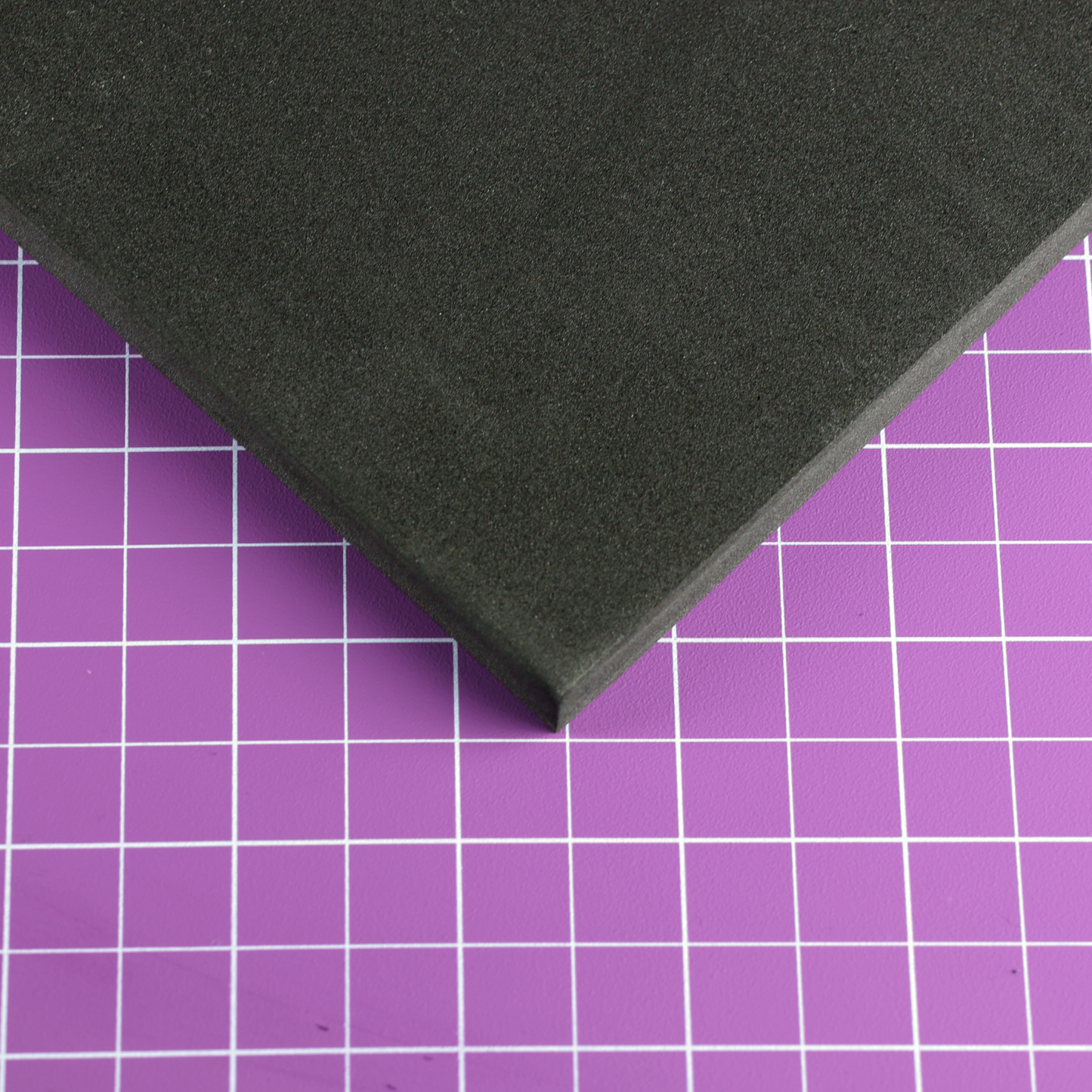
Description
A reliable foundation for armor and prop building
This black 10 mm EVA foam is an essential construction material, specifically engineered for demanding cosplay projects and detailed LARP gear. With an optimal density of 65 kg/m3, it provides the perfect balance of structural rigidity and heat-formability. This professional-grade foam is the preferred choice for creators looking to build durable armor, shields, and large-scale props that require stability and a clean finish.
Key features
- Optimal density: The 65 kg/m3 rating ensures that the foam is stiff enough to hold its shape under stress while remaining easy to manipulate. This density is ideal for preventing unwanted deformation in complex armor pieces.
- Significant thickness: At 10 mm thick, this material is perfect for creating robust structural cores for weapons or thicker armor layers. It provides the necessary volume to achieve impressive, realistic silhouettes.
- Easy workability: This EVA foam is designed for precision, allowing for smooth cuts with sharp utility knives and clean sanding results. It reacts consistently to heat, making it simple to form into organic, curved shapes.
- Uniform color: The deep black pigmentation acts as a perfect base for paint, minimizing the visibility of any minor gaps or assembly marks. It saves time during the finishing process by reducing the number of base coats needed.
- Generous format: Each 100x50 cm sheet allows for the creation of large pattern layouts without the need for excessive seams. This helps optimize material usage and reduces waste during ambitious builds.
Where to use it
Armor and costume construction
The 10 mm thickness is the industry standard for creating heavy-duty chest plates, greaves, and shoulder pauldrons. Its ability to absorb impacts makes it perfect for armor worn during active conventions and performances. The material holds complex 3D shapes effectively once heat-set.
Weapon and shield cores
In LARP weaponry, this foam provides a stable and safe base when layered around internal fiberglass rods. It helps maintain the desired profile of swords, hammers, or axes, ensuring both safety and structural integrity during combat simulations.
Detailed trimming and relief
The thickness allows for deep beveling and carving, enabling the creation of intricate 3D runes, geometric patterns, or ornamental armor details. When combined with proper finishing and painting techniques, it mimics the look of authentic metal or wood perfectly.
For the best results, use durable contact adhesives to achieve strong, flexible seams that withstand high tension. To refine your creations, browse our wide range of professional cosplay tools and elevate your next build.
Specification
| Attribute | Value |
|---|---|
Thickness |
10 mm |
Self-adhesive |
No |
Color |
Black |
Density |
65 kg/m3 |
Size |
100x50 cm |
SKU: |
MGC-EVAF-0009 |
EAN: |
5904423960819 |
Reviews
Pianka bardzo dobrej jakości. Użyłam do zrobienia stroju karnawałowego dla dziecka i bardzo dobrze się sprawdziła. Polecam
Profesjonalna obsługa
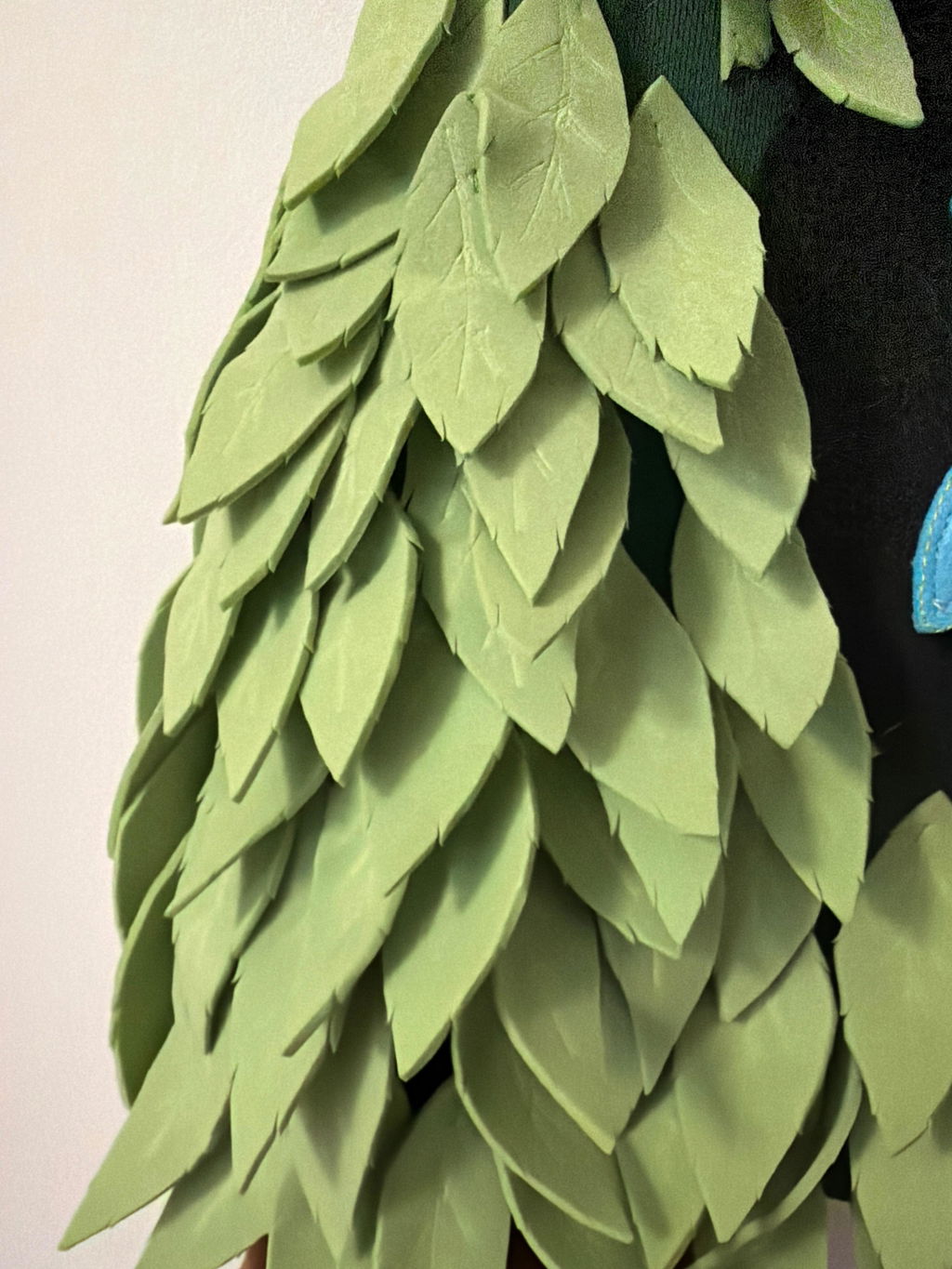
Kupiłam tą piankę z myślą o zrobieniu własnego kostiumu na Halloween i jestem mega zadowolona. Materiał świetnie się do tego nadaje, łatwo się go przycina i można go formować bez problemu. Do takich kreatywnych projektów sprawdza się naprawdę dobrze. Polecam!
Wszystko w porządku. Nie jest porowata
Wszystko ok
Użyłem do dylatacji .
Pianka w 100% spełnia oczekiwania, idealnie nadała się do mojego projektu!
Zgodny z oczekiwaniami, wszystko ok.
FAQ
What is 65 kg/m³ EVA foam best used for?
What is 65 kg/m³ EVA foam best used for?
Which thickness of EVA foam should I choose for my project?
Which thickness of EVA foam should I choose for my project?
What are the best methods for working with EVA foam?
What are the best methods for working with EVA foam?
What is the best way to glue EVA foam for durable joints?
What is the best way to glue EVA foam for durable joints?
How should I prep EVA foam for painting?
How should I prep EVA foam for painting?
Is 65 kg/m³ EVA foam safe to use?
Is 65 kg/m³ EVA foam safe to use?
Safety
Featured collection
-
Vendor:MageCraft
Polypropylene webbing - 20 mm/1 m black
Regular price €1,95Unit price / perRegular priceSale price €1,95Sold out -
Vendor:MageCraft
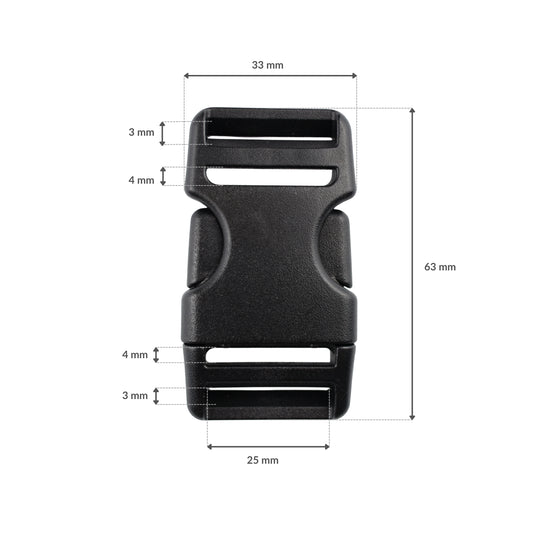
Plastic buckle - 25 mm black 1 pc.
Regular price €0,95Unit price / perRegular priceSale price €0,95 -
Vendor:MageCraft
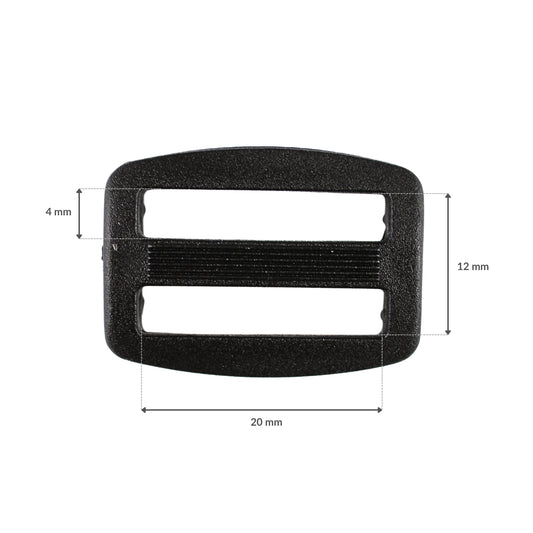
Plastic adjuster - 20/12 mm black 1 pc.
Regular price €0,95Unit price / perRegular priceSale price €0,95 -
Vendor:MageCraft
Cotton Cord - 8 mm/1 m black
Regular price €0,95Unit price / perRegular priceSale price €0,95 -
Vendor:MageCraft
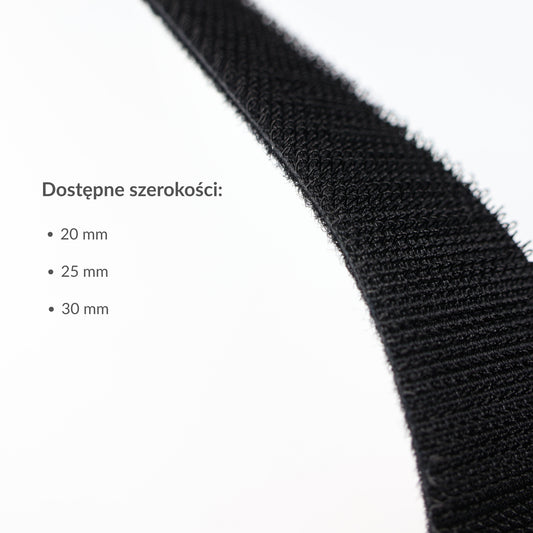
Hook and loop tape - double-sided 25 mm/1 m nylon black
Regular price €1,95Unit price / perRegular priceSale price €1,95Sold out -
Vendor:MageCraft
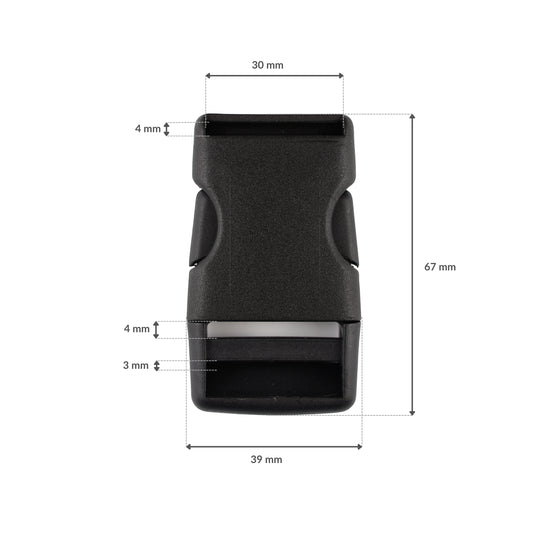
Plastic buckle - 30x67 mm black 1 pc.
Regular price €0,95Unit price / perRegular priceSale price €0,95 -
Vendor:MageCraft
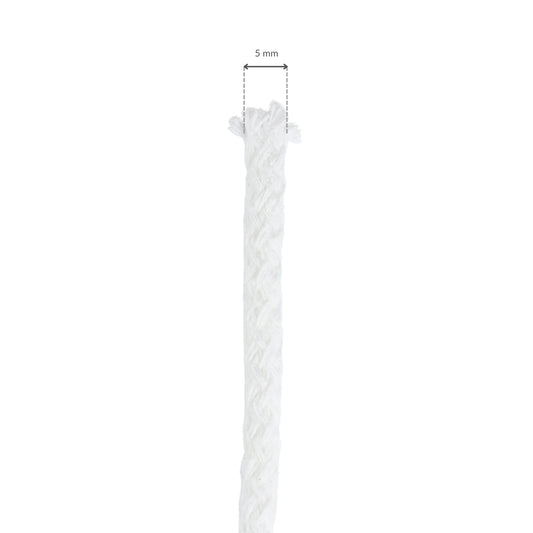
Cord - Cotton 5 mm/1 m white
Regular price €0,95Unit price / perRegular priceSale price €0,95 -
Vendor:MageCraft
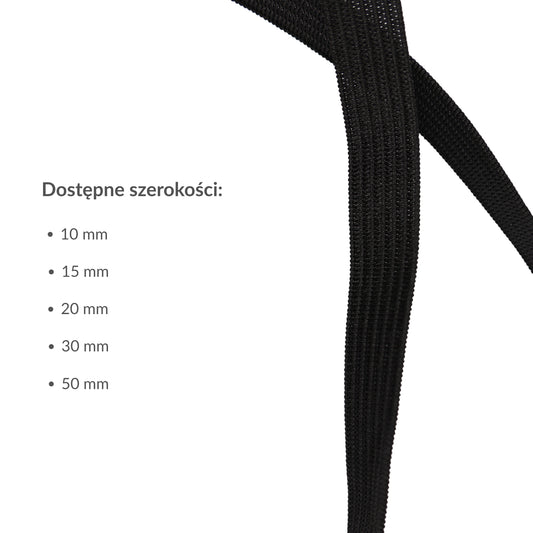
Elastic band - 30 mm/1 m black
Regular price €1,95Unit price / perRegular priceSale price €1,95 -
Vendor:MageCraft
Elastic band - 15 mm/5 m black
Regular price €0,95Unit price / perRegular priceSale price €0,95