EVA foam 65 kg/m3, 3 mm black - 50x50 cm
EVA foam 65 kg/m3, 3 mm black - 50x50 cm


Secure payments
Your payment information is processed securely.


Description
Professional High-Density EVA Foam for Detailed Armor and Props
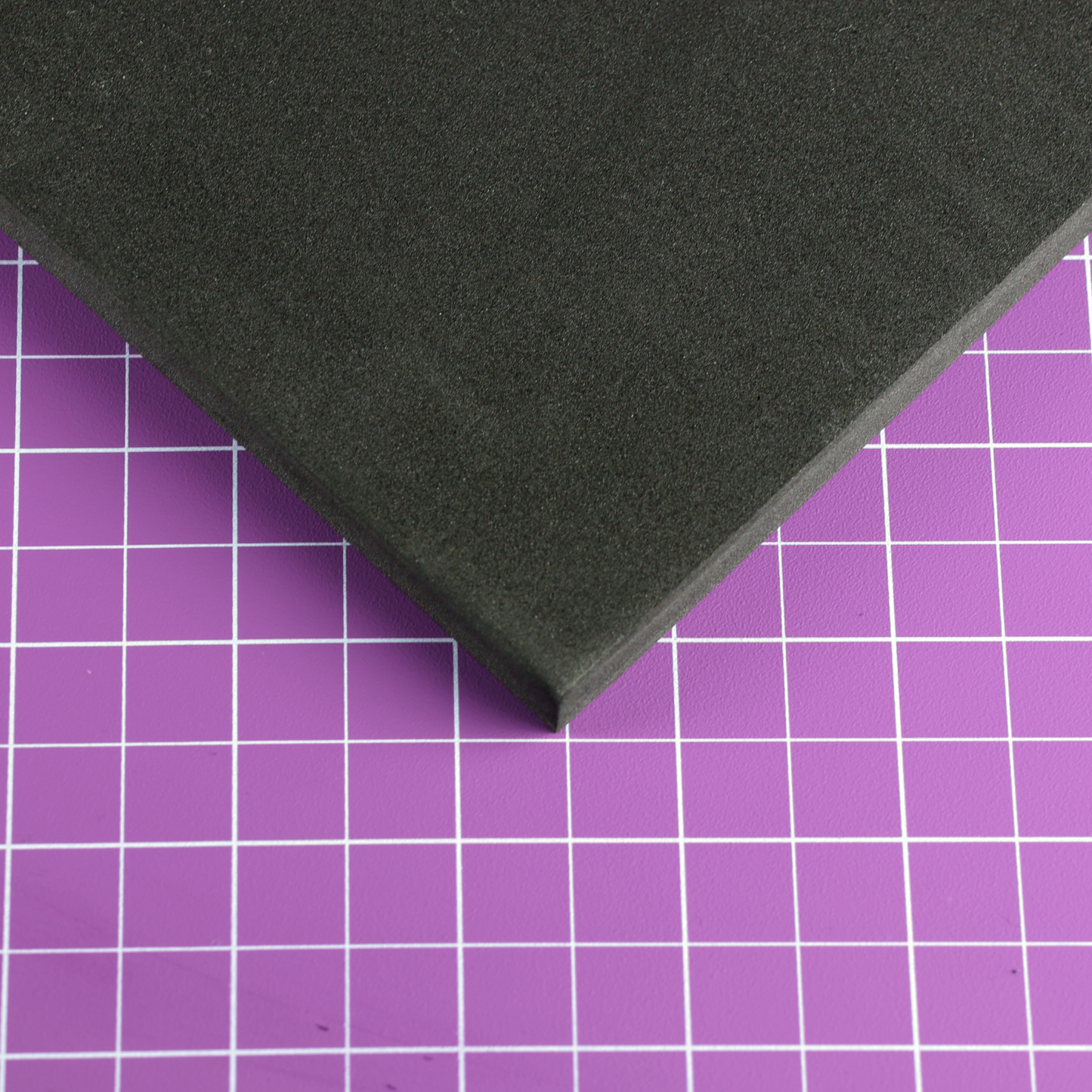
This high-density EVA foam (65 kg/m3) is a top-tier material specifically engineered for demanding cosplay armor and intricate prop making. With a 3 mm thickness and a smooth, consistent surface, it effectively minimizes primer and paint absorption. Its compact 50x50 cm size ensures high utility for precise, small-scale workshop projects where quality and durability are paramount.
Key Features
- Optimal Density: A high-performance density of 65 kg/m3 provides superior rigidity while maintaining the flexibility required for complex cosplay designs. This consistency prevents the material from tearing during high-tension stretching or shaping.
- Precise Thickness: The 3 mm gauge is the ideal balance for creating intricate decorative elements, layering armor plates, or covering base constructions. It offers enough substance to hold detailed embossments while remaining lightweight.
- Smooth Surface Texture: The uniform, non-porous structure significantly reduces the consumption of primers and paints. This ensures a clean, professional finish on all prop-making projects without the need for heavy sealing.
- Thermal Formability: This material reacts reliably to heat guns, allowing for intricate shaping that remains permanent after cooling. The foam is resistant to cracking even when bent into sharp or complex curves.
- Convenient Format: The 50x50 cm sheet is designed for efficient pattern planning and minimal waste. It is a practical solution for builders looking to optimize their materials for medium and small-scale LARP equipment.
Applications
Intricate Detailing and Ornaments
The fine-tuned density allows for precise mechanical cutting of complicated runes, armor trim, and decorative relief work. This foam delivers crisp, clean edges that do not fray, resulting in professional-looking surface details.
Armor Layering Techniques
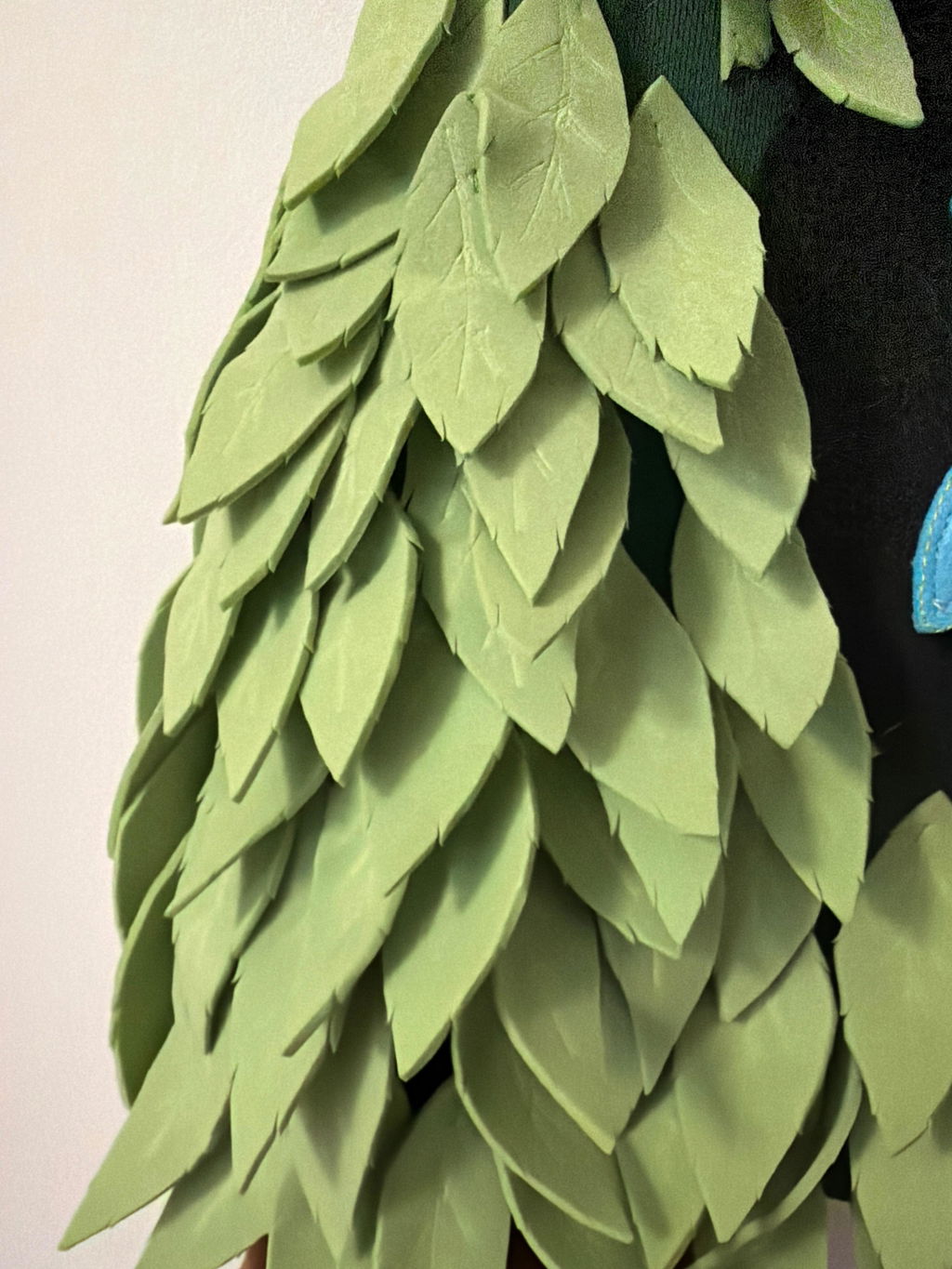
These sheets are perfectly suited for building 3D depth by stacking multiple layers onto a thicker base. The material's inherent flexibility ensures that additional layers conform naturally to curved surfaces like pauldrons, breastplates, and helmets.
LARP Gear and Shield Covering
Use this foam as a durable, outer layer for shields, sword hilts, and various accessories. The 65 kg/m3 density provides an extra layer of protection for internal cores, offering effective shock absorption during active LARP combat.
For long-lasting, heavy-duty bonds, use professional contact cement to ensure your assembly remains flexible and secure. To achieve perfect results during heat-shaping, consider using a reliable heat gun to maintain precise control over the material's thermal properties.
Specification
| Attribute | Value |
|---|---|
Thickness |
3 mm |
Self-adhesive |
No |
Color |
Black |
Density |
65 kg/m3 |
Size |
50x50 cm |
SKU: |
MGC-EVAF-0004 |
EAN: |
5904423960864 |
Reviews
Pianka bardzo dobrej jakości. Użyłam do zrobienia stroju karnawałowego dla dziecka i bardzo dobrze się sprawdziła. Polecam
Profesjonalna obsługa
Kupiłam tą piankę z myślą o zrobieniu własnego kostiumu na Halloween i jestem mega zadowolona. Materiał świetnie się do tego nadaje, łatwo się go przycina i można go formować bez problemu. Do takich kreatywnych projektów sprawdza się naprawdę dobrze. Polecam!
Wszystko w porządku. Nie jest porowata
Wszystko ok
Użyłem do dylatacji .
Pianka w 100% spełnia oczekiwania, idealnie nadała się do mojego projektu!
Zgodny z oczekiwaniami, wszystko ok.
FAQ
What is 65 kg/m³ EVA foam best used for?
What is 65 kg/m³ EVA foam best used for?
Which thickness of EVA foam should I choose for my project?
Which thickness of EVA foam should I choose for my project?
What are the best methods for working with EVA foam?
What are the best methods for working with EVA foam?
What is the best way to glue EVA foam for durable joints?
What is the best way to glue EVA foam for durable joints?
How should I prep EVA foam for painting?
How should I prep EVA foam for painting?
Is 65 kg/m³ EVA foam safe to use?
Is 65 kg/m³ EVA foam safe to use?
Safety
Featured collection
-
Vendor:MageCraft
Polypropylene webbing - 20 mm/1 m black
Regular price €1,95Unit price / perRegular priceSale price €1,95Sold out -
Vendor:MageCraft
Plastic buckle - 25 mm black 1 pc.
Regular price €0,95Unit price / perRegular priceSale price €0,95 -
Vendor:MageCraft
Plastic adjuster - 20/12 mm black 1 pc.
Regular price €0,95Unit price / perRegular priceSale price €0,95 -
Vendor:MageCraft
Cotton Cord - 8 mm/1 m black
Regular price €0,95Unit price / perRegular priceSale price €0,95 -
Vendor:MageCraft
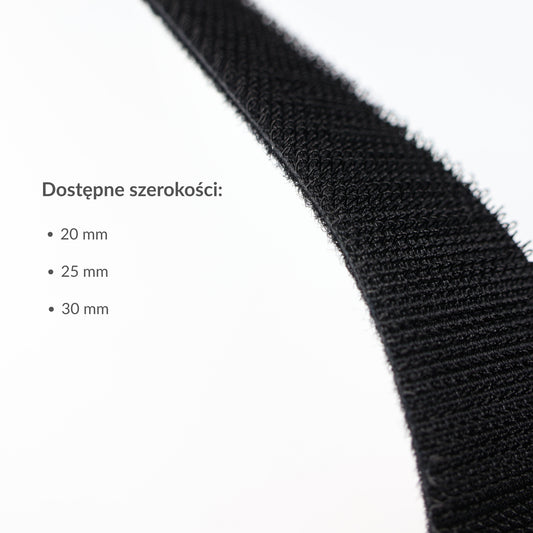
Hook and loop tape - double-sided 25 mm/1 m nylon black
Regular price €1,95Unit price / perRegular priceSale price €1,95Sold out -
Vendor:MageCraft
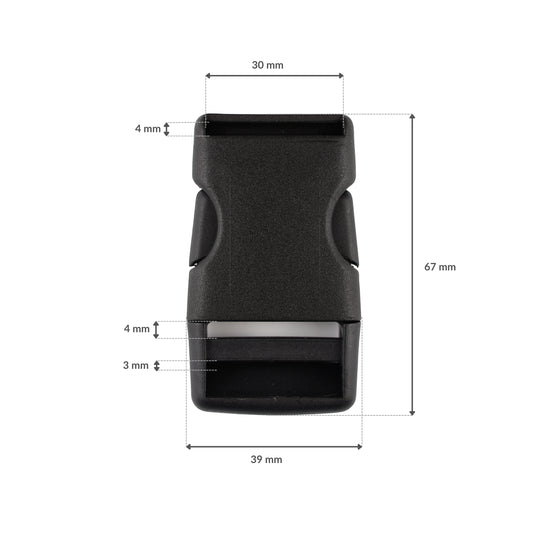
Plastic buckle - 30x67 mm black 1 pc.
Regular price €0,95Unit price / perRegular priceSale price €0,95 -
Vendor:MageCraft
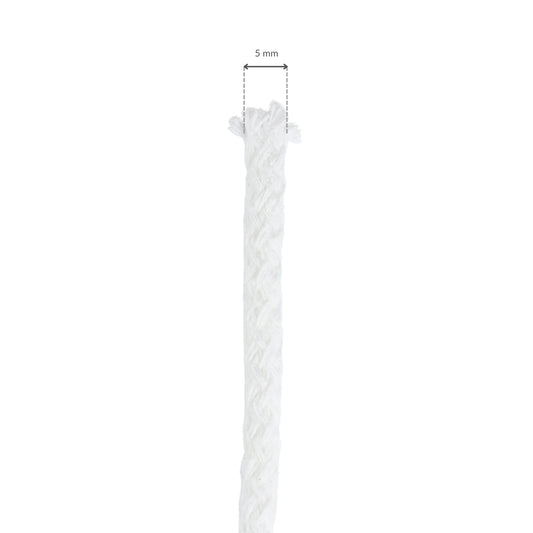
Cord - Cotton 5 mm/1 m white
Regular price €0,95Unit price / perRegular priceSale price €0,95 -
Vendor:MageCraft
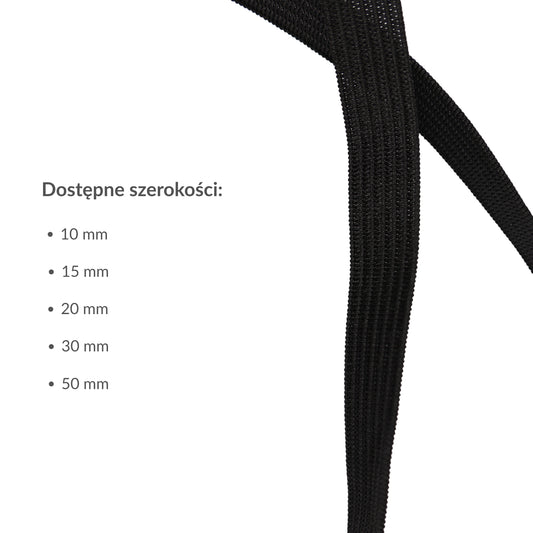
Elastic band - 30 mm/1 m black
Regular price €1,95Unit price / perRegular priceSale price €1,95 -
Vendor:MageCraft
Elastic band - 15 mm/5 m black
Regular price €0,95Unit price / perRegular priceSale price €0,95