EVA foam 65 kg/m3, 2 mm black - 50x50 cm
EVA foam 65 kg/m3, 2 mm black - 50x50 cm


Secure payments
Your payment information is processed securely.


Description
Professional High-Density EVA Foam for Detailed Cosplay Crafting
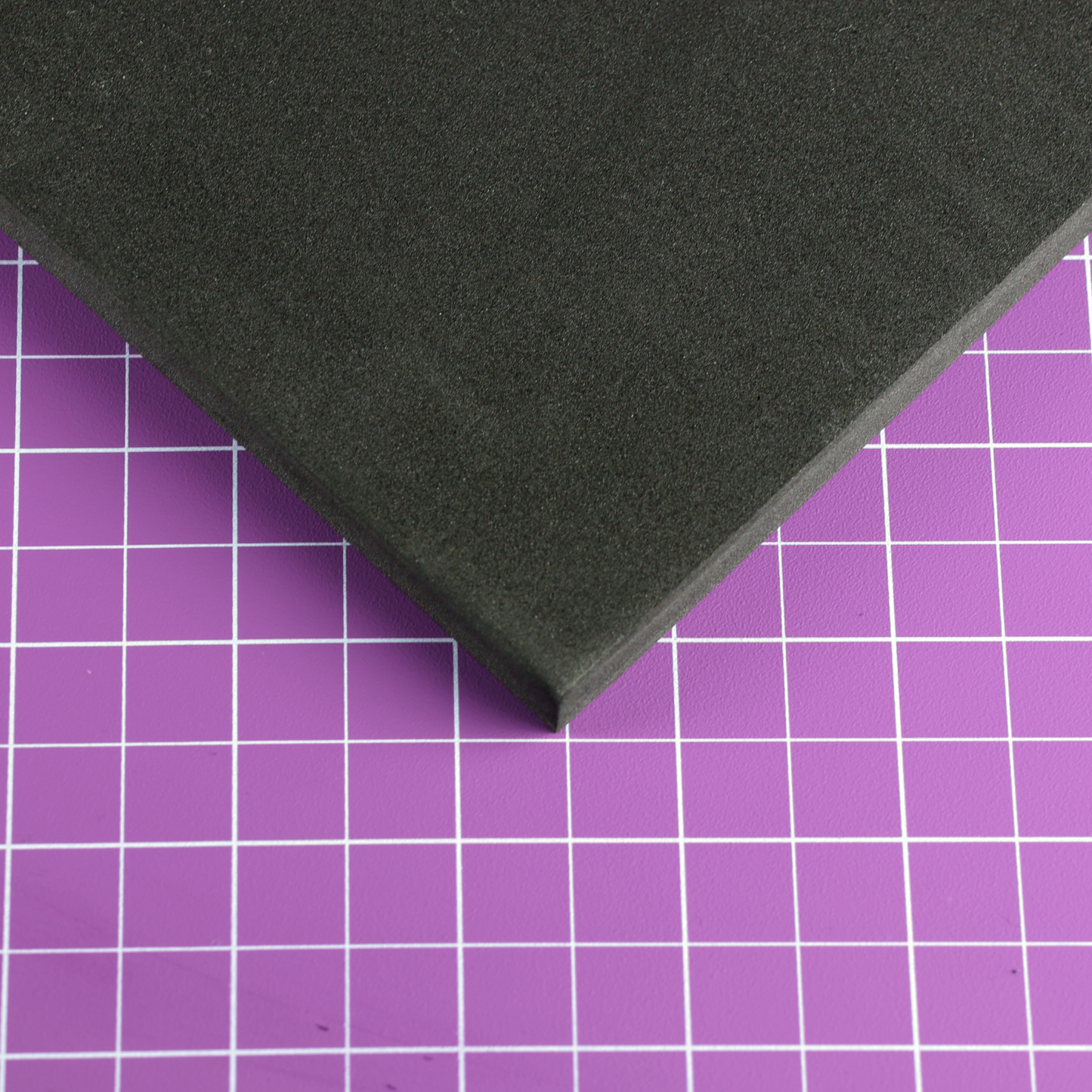
Achieve professional results with this high-density EVA foam, specifically engineered for intricate prop making and armor construction. With a density of 65 kg/m3, this material provides the perfect balance between rigidity and flexibility for your cosplay projects. The 2 mm thickness is ideal for creating fine details, layered reliefs, and smooth surfaces that require minimal post-processing. Its consistent texture ensures that your finished pieces stand out with clean lines and superior durability.
Key Features
- Superior Density: The 65 kg/m3 structure provides excellent edge definition when cutting, ensuring your EVA foam edges remain sharp and clean. This high-density grade also minimizes primer absorption, saving you time and resources during the finishing stage.
- Precision Thickness: Measuring exactly 2 mm, this foam sheet is perfectly suited for thin components, complex overlays, and delicate surface textures. It offers the structural integrity needed for cosplay armor without adding unnecessary bulk.
- Heat Formability: This material reacts reliably to heat, offering a distinct "memory" that allows for permanent shaping into curves and complex contours. It maintains its shape once cooled, making it indispensable for costume design.
- Deep Black Finish: The uniform black pigment eliminates the need for heavy base coating and prevents light-colored cores from showing through scratches. It serves as an optimal base for metallic or dark-toned painting projects.
- Convenient Format: The 50x50 cm dimensions allow for precise material management and reduced waste during the fabrication of small, detailed parts. This format is easily stored and ideal for modular prop building.
Usage Applications
Complex Armor Detailing
Use this foam to create intricate engravings, geometric patterns, and raised ornaments for your armor plates. Its stability ensures that even the smallest details remain crisp after heat-shaping, providing a high-quality finish for your cosplay outfits.
Lightweight Mask Fabrication
The low weight and high elasticity of this 2 mm sheet make it the perfect choice for wearable masks, horns, and headpieces. It conforms easily to facial contours, ensuring comfort and aesthetic precision in any costume character.
Edge Finishing and Smoothing
This material is the industry standard for masking gaps, covering rough edges of thicker foam layers, and creating seamless transitions on shields or gauntlets. Its flexibility allows for clean, professional results on any DIY prop.
To achieve the best results, pair this foam with a reliable contact adhesive for secure bonds or browse our precision knives to ensure clean, effortless cuts for your most challenging designs.
Specification
| Attribute | Value |
|---|---|
Thickness |
2 mm |
Self-adhesive |
No |
Color |
Black |
Density |
65 kg/m3 |
Size |
50x50 cm |
SKU: |
MGC-EVAF-0001 |
EAN: |
5904423960895 |
Reviews
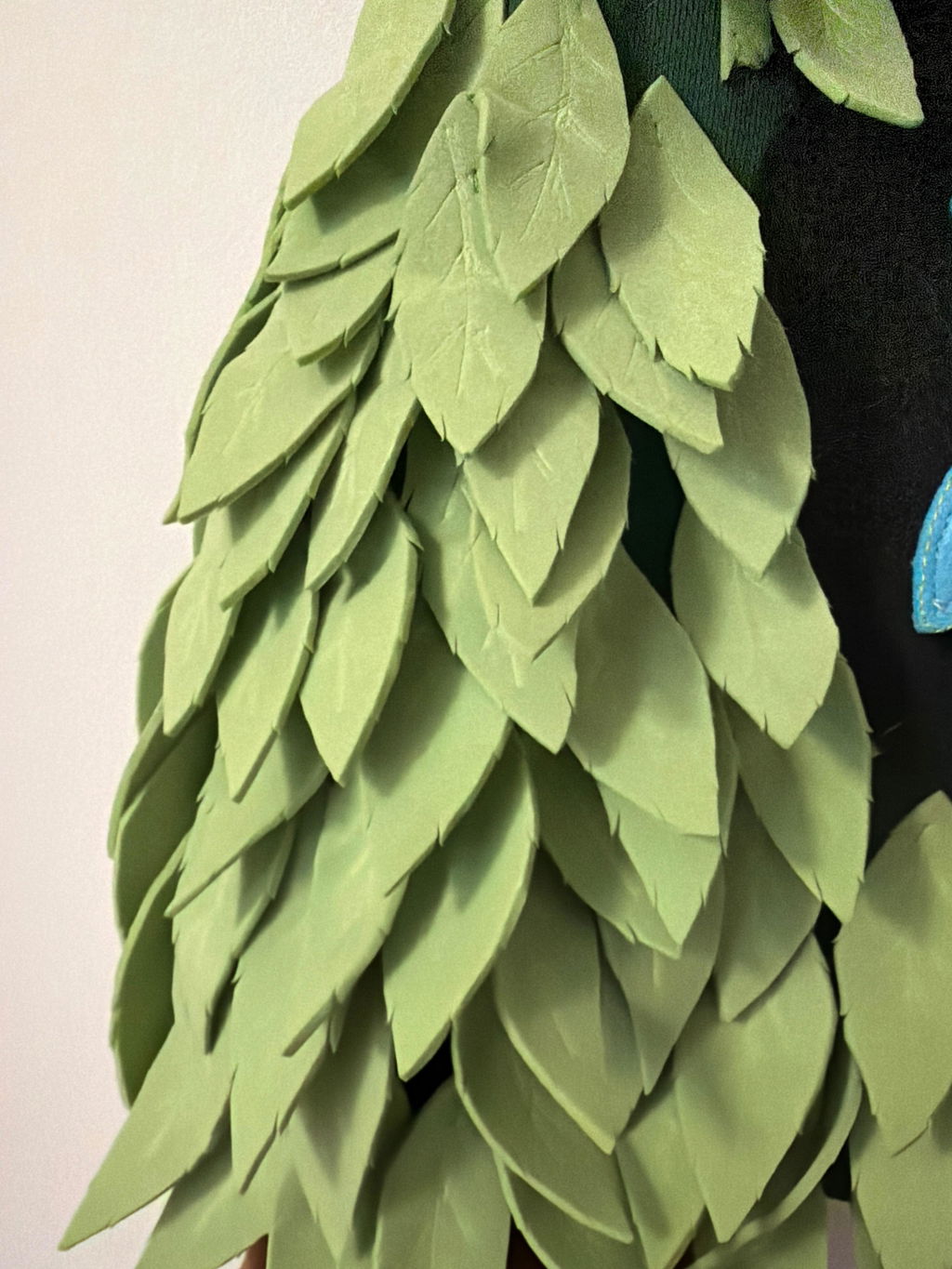
Pianka bardzo dobrej jakości. Użyłam do zrobienia stroju karnawałowego dla dziecka i bardzo dobrze się sprawdziła. Polecam
Profesjonalna obsługa
Kupiłam tą piankę z myślą o zrobieniu własnego kostiumu na Halloween i jestem mega zadowolona. Materiał świetnie się do tego nadaje, łatwo się go przycina i można go formować bez problemu. Do takich kreatywnych projektów sprawdza się naprawdę dobrze. Polecam!
Wszystko w porządku. Nie jest porowata
Wszystko ok
Użyłem do dylatacji .
Pianka w 100% spełnia oczekiwania, idealnie nadała się do mojego projektu!
Zgodny z oczekiwaniami, wszystko ok.
FAQ
What is 65 kg/m³ EVA foam best used for?
What is 65 kg/m³ EVA foam best used for?
Which thickness of EVA foam should I choose for my project?
Which thickness of EVA foam should I choose for my project?
What are the best methods for working with EVA foam?
What are the best methods for working with EVA foam?
What is the best way to glue EVA foam for durable joints?
What is the best way to glue EVA foam for durable joints?
How should I prep EVA foam for painting?
How should I prep EVA foam for painting?
Is 65 kg/m³ EVA foam safe to use?
Is 65 kg/m³ EVA foam safe to use?
Safety
Featured collection
-
Vendor:MageCraft
Polypropylene webbing - 20 mm/1 m black
Regular price €1,95Unit price / perRegular priceSale price €1,95Sold out -
Vendor:MageCraft
Plastic buckle - 25 mm black 1 pc.
Regular price €0,95Unit price / perRegular priceSale price €0,95 -
Vendor:MageCraft
Plastic adjuster - 20/12 mm black 1 pc.
Regular price €0,95Unit price / perRegular priceSale price €0,95 -
Vendor:MageCraft
Cotton Cord - 8 mm/1 m black
Regular price €0,95Unit price / perRegular priceSale price €0,95 -
Vendor:MageCraft
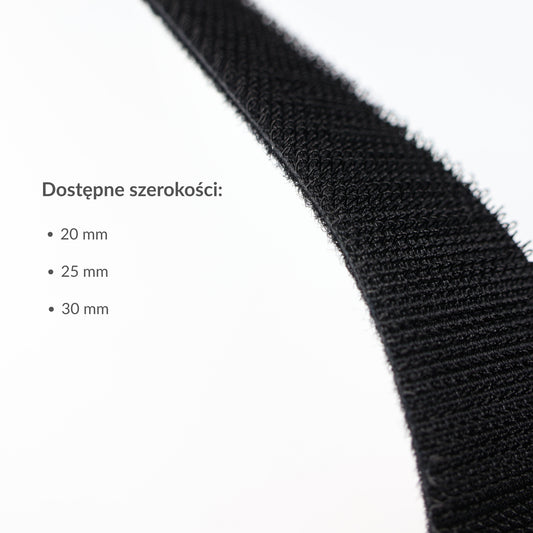
Hook and loop tape - double-sided 25 mm/1 m nylon black
Regular price €1,95Unit price / perRegular priceSale price €1,95Sold out -
Vendor:MageCraft
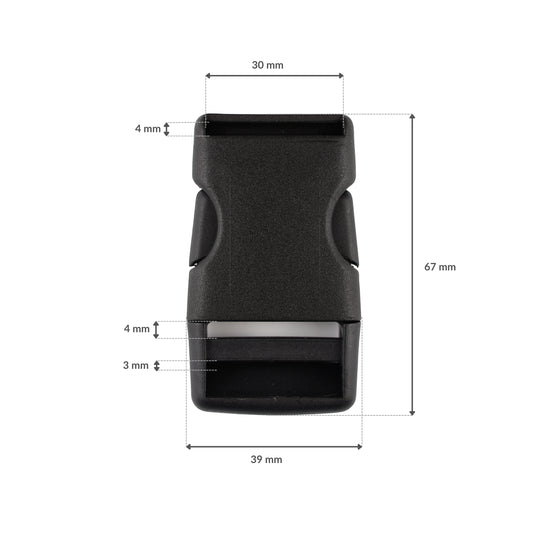
Plastic buckle - 30x67 mm black 1 pc.
Regular price €0,95Unit price / perRegular priceSale price €0,95 -
Vendor:MageCraft
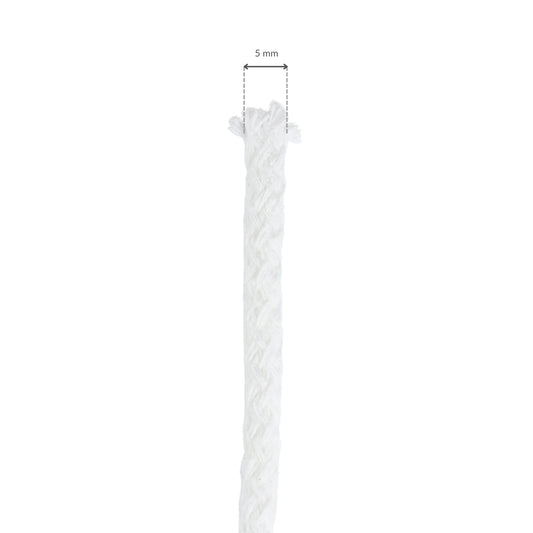
Cord - Cotton 5 mm/1 m white
Regular price €0,95Unit price / perRegular priceSale price €0,95 -
Vendor:MageCraft
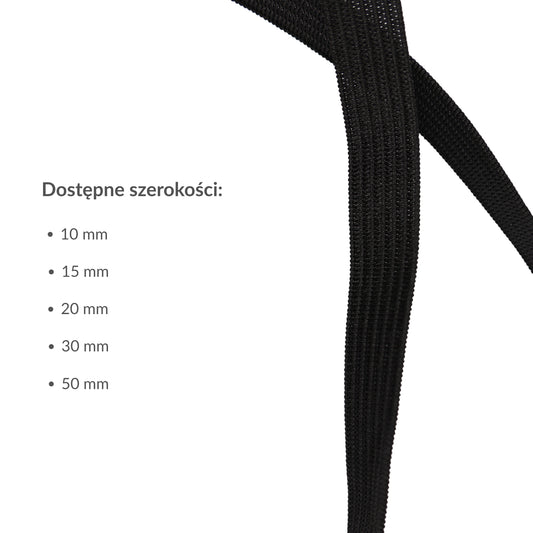
Elastic band - 30 mm/1 m black
Regular price €1,95Unit price / perRegular priceSale price €1,95 -
Vendor:MageCraft
Elastic band - 15 mm/5 m black
Regular price €0,95Unit price / perRegular priceSale price €0,95