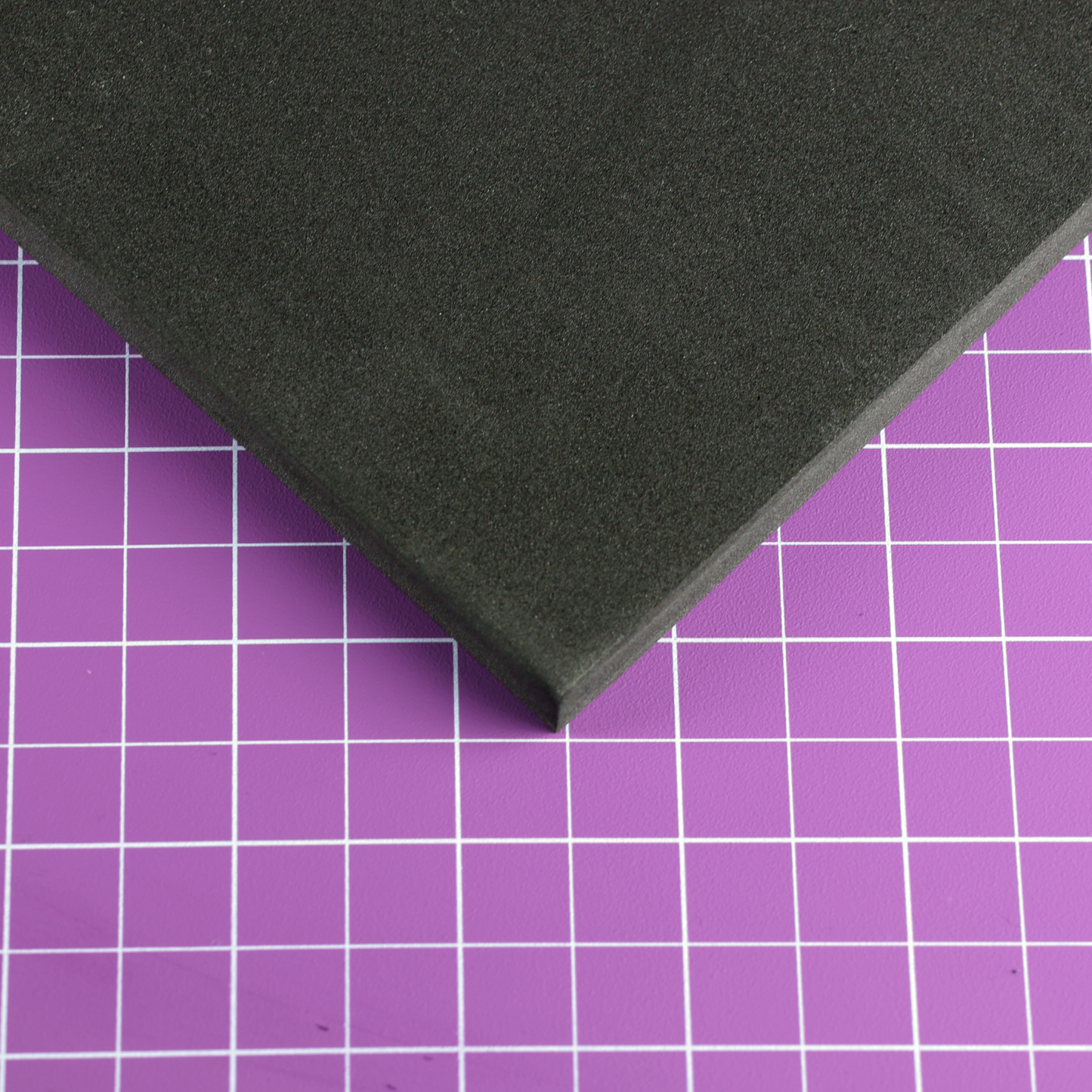
EVA foam 65 kg/m3, 3 mm self-adhesive black - 100x50 cm
EVA foam 65 kg/m3, 3 mm self-adhesive black - 100x50 cm


Secure payments
Your payment information is processed securely.


Opis
Professional EVA foam for high-detail cosplay builds
This high-quality EVA foam with a density of 65 kg/m3 is a foundational material for creating realistic armor and props. Engineered for excellent thermal shaping and precise cutting, it allows for the crafting of intricate textures. The integrated adhesive layer significantly optimizes cosplay projects, ensuring a strong, immediate bond and reducing the need for additional contact cements.
Key features
- High Density: The 65 kg/m3 density provides superior mechanical strength while maintaining a lightweight profile. This grade of EVA foam is perfect for structures requiring long-term durability and resistance to deformation.
- Integrated Adhesive: The factory-applied self-adhesive layer eliminates the need for messy liquid glues during assembly. This feature ensures clean, rapid bonding of foam panels in complex cosplay builds.
- Optimal Thickness: The 3 mm thickness provides a precise balance between flexibility and structural rigidity. It is the ideal choice for creating detailed surface ornaments and medium-sized armor plating.
- Easy Processing: The material is exceptionally responsive to hobby knife cuts and sanding. It maintains smooth edges without crumbling, which is essential for achieving a professional finish on any prop.
- Versatile Format: The 100x50 cm sheet size allows for efficient layout planning and minimal waste. The neutral black color serves as an excellent base for various primers, acrylic paints, and spray rubbers.
Applications
Cosplay Armor Construction
This foam is highly effective for fabricating pauldrons, bracers, and chest pieces. The self-adhesive surface allows for the instant layering of foam pieces, enabling complex, layered designs without waiting for glue to dry.
Intricate Costume Details
The 3 mm thickness is perfectly suited for cutting delicate patterns, runes, and emblems. The adhesive backing ensures these decorative elements can be safely and securely applied directly to a finished armor base or LARP costume.
Prop and Gadget Design
Designing weapon hilts, mechanical components, or futuristic gadgets is simplified by the high-density nature of this foam. The adhesive surface facilitates quick modeling of solid shapes that can be further refined through sanding and detailing.
To achieve the best results, remember to use professional precision knives for clean cutting. For a durable, high-end finish on your project, we recommend applying our acrylic paints to your finished armor pieces.
Opinie
FAQ
What is the difference between EVA foam densities?
What is the difference between EVA foam densities?
How do I effectively heat-form EVA foam?
How do I effectively heat-form EVA foam?
What is the best adhesive for EVA foam?
What is the best adhesive for EVA foam?
Do I need to prime EVA foam before painting?
Do I need to prime EVA foam before painting?
What tools should I use to cut and sand EVA foam?
What tools should I use to cut and sand EVA foam?
How should I store EVA foam safely?
How should I store EVA foam safely?
Bezpieczeństwo
Polecana kolekcja
-
Vendor:MageCraft
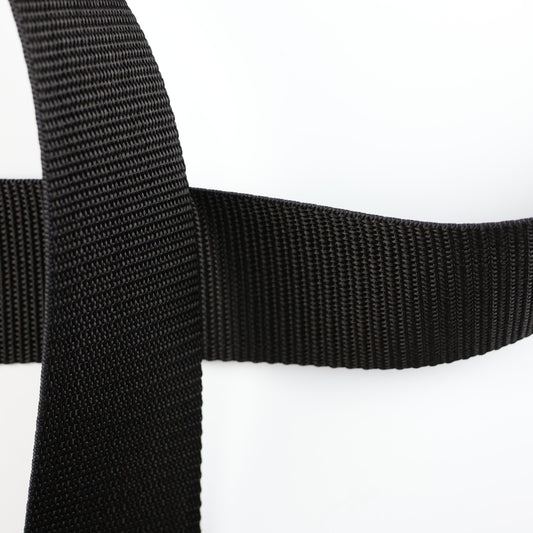
Polypropylene webbing - 20 mm/1 m black
Regular price €1,95Unit price / perRegular priceSale price €1,95Sold out -
Vendor:MageCraft
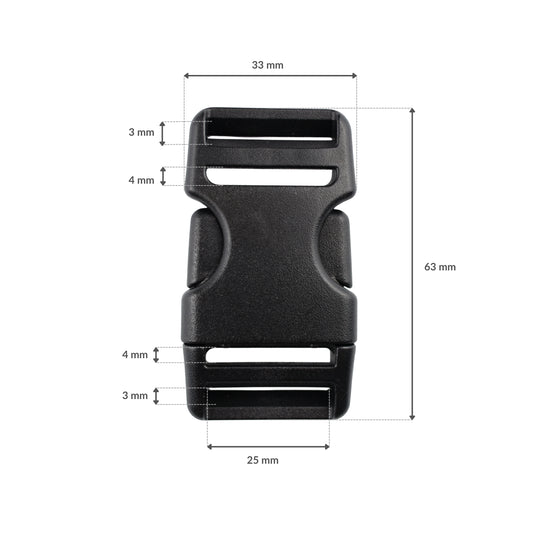
Plastic buckle - 25 mm black 1 pc.
Regular price €0,95Unit price / perRegular priceSale price €0,95 -
Vendor:MageCraft
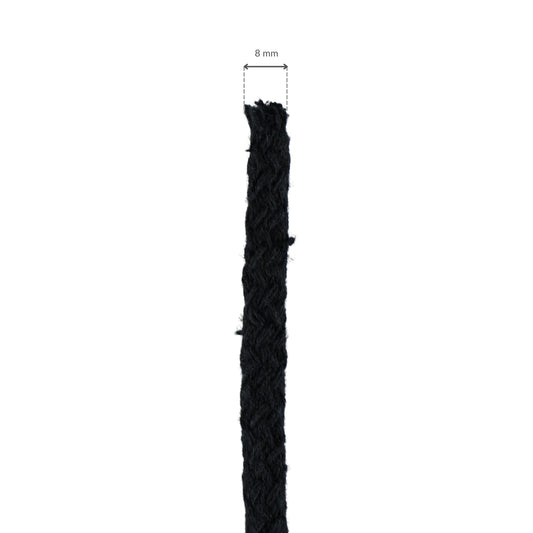
Cotton Cord - 8 mm/1 m black
Regular price €0,95Unit price / perRegular priceSale price €0,95 -
Vendor:MageCraft
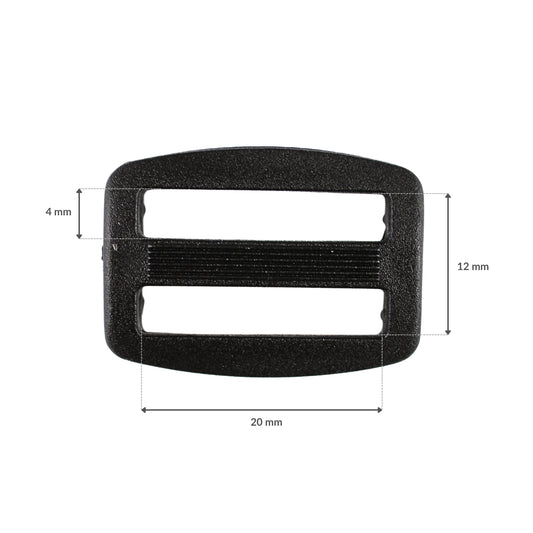
Plastic adjuster - 20/12 mm black 1 pc.
Regular price €0,95Unit price / perRegular priceSale price €0,95 -
Vendor:MageCraft
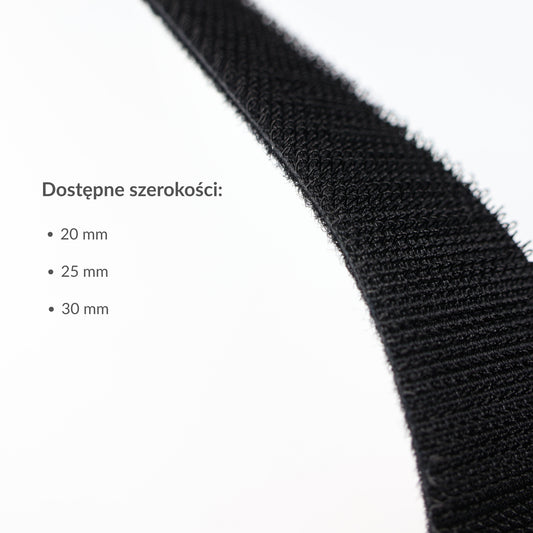
Hook and loop tape - double-sided 25 mm/1 m nylon black
Regular price €1,95Unit price / perRegular priceSale price €1,95 -
Vendor:MageCraft
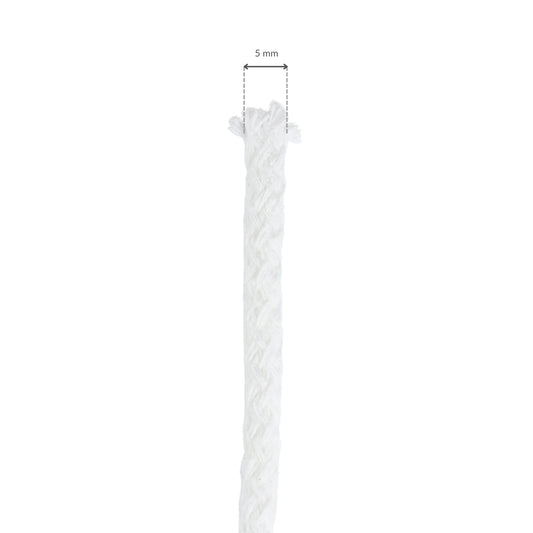
Cord - Cotton 5 mm/1 m white
Regular price €0,95Unit price / perRegular priceSale price €0,95 -
Vendor:MageCraft
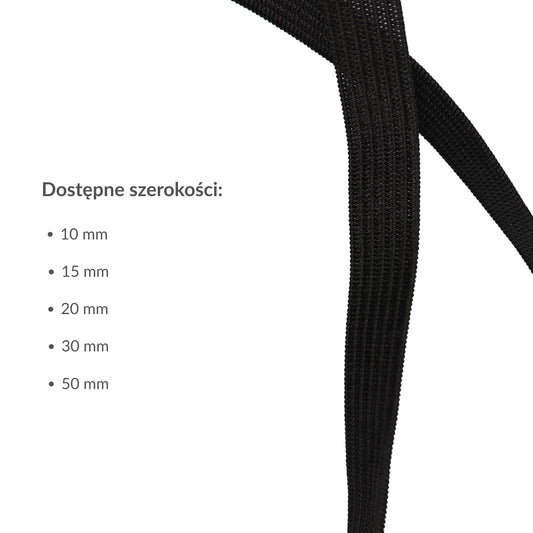
Elastic band - 15 mm/5 m black
Regular price €0,95Unit price / perRegular priceSale price €0,95 -
Vendor:MageCraft
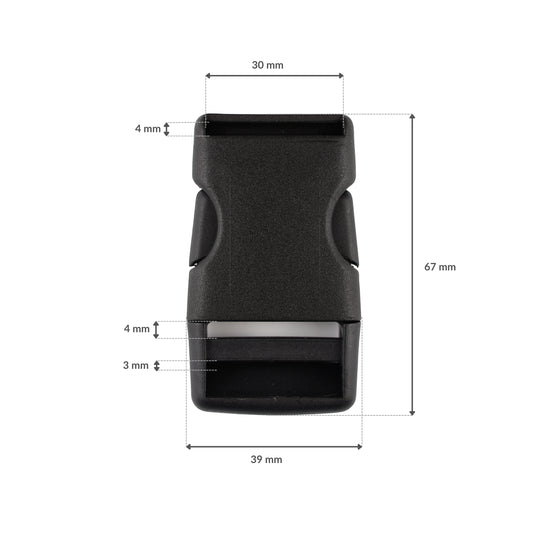
Plastic buckle - 30x67 mm black 1 pc.
Regular price €0,95Unit price / perRegular priceSale price €0,95 -
Vendor:MageCraft
Plastic buckle - 20x46 mm black 1 pc.
Regular price €0,95Unit price / perRegular priceSale price €0,95